THE ADVENTURE COLLECTIVE® · Independent discovery and booking for outdoor travel

A focused two-day PADI Rescue Diver course on Koh Chang that blends classroom theory with realistic in-water rescue scenarios. Ideal for certified divers who want the skills to prevent and respond to emergencies while diving in tropical reef conditions.
A focused two-day PADI Rescue Diver course on Koh Chang that blends classroom theory with realistic in-water rescue scenarios. Ideal for certified divers who want the skills to prevent and respond to emergencies while diving in tropical reef conditions.
The boat eases away from shore and the sea pulls focus: a surface of shifting blue that can turn from calm to testing in minutes. Over two days on Koh Chang, the PADI Rescue Diver course pushes you out of comfort and into practical problem-solving — hauling a panicked diver, towing an unresponsive buddy, and coordinating emergency response from a small boat.
Verified experiences and guided adventures in the surrounding area.
Operated by Dolphin Divers · Koh Chang, Trat
The boat eases away from shore and the sea pulls focus: a surface of shifting blue that can turn from calm to testing in minutes. Over two days on Koh Chang, the PADI Rescue Diver course pushes you out of comfort and into practical problem-solving — hauling a panicked diver, towing an unresponsive buddy, and coordinating emergency response from a small boat.
Koh Chang sits on the eastern edge of the Gulf of Thailand, its reefs formed from carbonate buildups and ancient currents that still shape the shallow dive sites. The island’s fishing villages and Thai-Muslim communities give the towns a lived-in feel; instructors often weave local knowledge into briefings about currents, weather windows and respectful reef behavior.
This course mixes classroom theory with in-water scenarios: search patterns, casualty assessments, and oxygen administration. Expect repetitive, high-focus drills designed to make responses automatic under stress. The learning curve is steep but tangible — you come away able to spot diver stress early and lead a coordinated rescue.
Practical guidance: arrive with a logged history of your dives and EFR/CPR certification (or plan to complete it during the course). Hydrate and rest between sessions; the work is physically demanding and often conducted in strong sun. Use a personal mask and a dive computer you know how to use. Timing matters — plan your two days around calm mornings when currents are milder.
For divers aiming to move from solo competence to team leadership, this course is a professional step up: intense, hands-on, and directly applicable to safer, more confident diving.
You must be a certified Open Water Diver (or equivalent), medically fit to dive, and have Emergency First Response (CPR and First Aid) certification within 24 months or complete it during the course.
On successful completion you earn the PADI Rescue Diver certification, which enhances safety skills and is a prerequisite for Divemaster training.
Yes — the course listing includes rental of all standard diving equipment, but many divers prefer to bring their own mask or computer for comfort.
PADI Junior Rescue Diver options exist for qualified candidates (typically minimum age 12) but check age-specific requirements with the instructor.
Dolphin Divers operates guided outdoor trips and adventures with an emphasis on safety, stewardship, and memorable experiences.
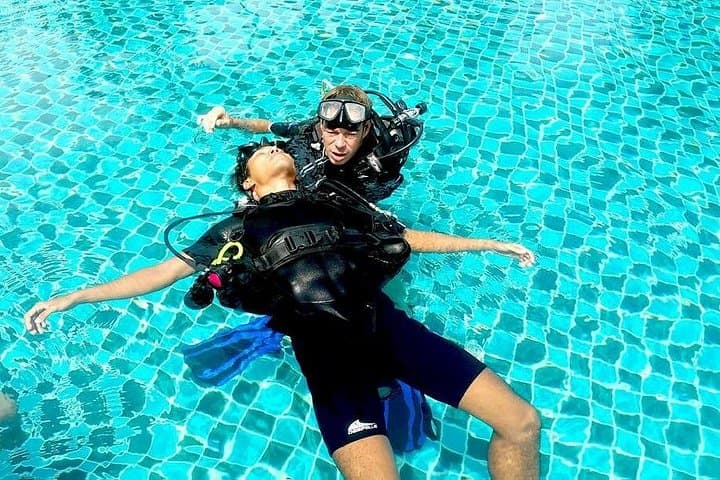
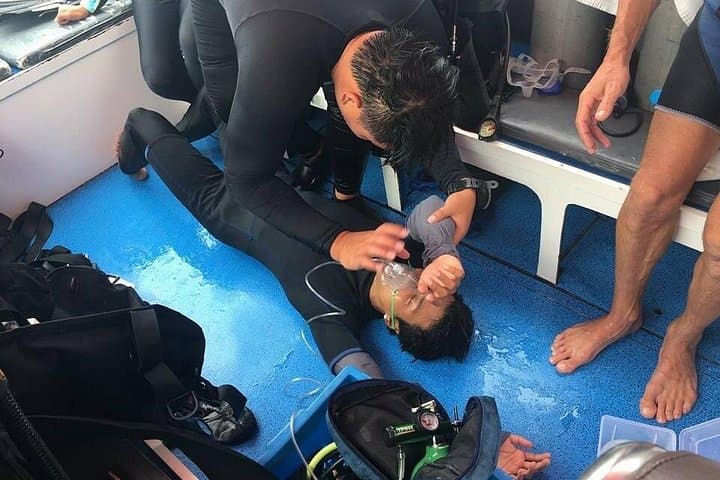
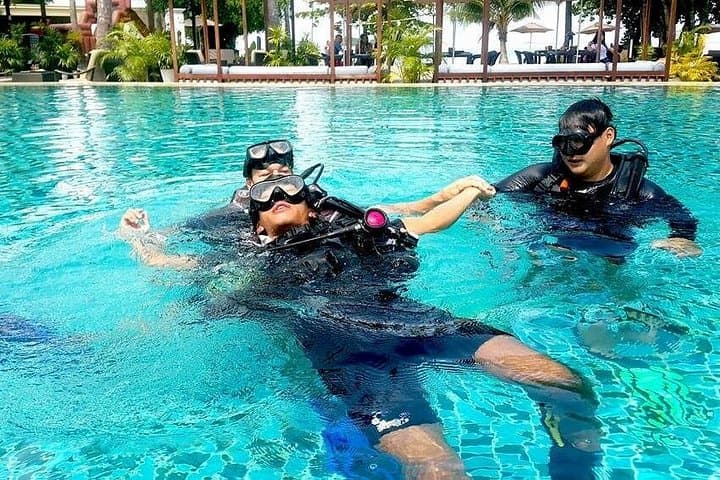

The boat eases away from shore and the sea pulls focus: a surface of shifting blue that can turn from calm to testing in minutes. Over two days on Koh Chang, the PADI Rescue Diver course pushes you out of comfort and into practical problem-solving — hauling a panicked diver, towing an unresponsive buddy, and coordinating emergency response from a small boat.
The boat eases away from shore and the sea pulls focus: a surface of shifting blue that can turn from calm to testing in minutes. Over two days on Koh Chang, the PADI Rescue Diver course pushes you out of comfort and into practical problem-solving — hauling a panicked diver, towing an unresponsive buddy, and coordinating emergency response from a small boat.
Koh Chang sits on the eastern edge of the Gulf of Thailand, its reefs formed from carbonate buildups and ancient currents that still shape the shallow dive sites. The island’s fishing villages and Thai-Muslim communities give the towns a lived-in feel; instructors often weave local knowledge into briefings about currents, weather windows and respectful reef behavior.
This course mixes classroom theory with in-water scenarios: search patterns, casualty assessments, and oxygen administration. Expect repetitive, high-focus drills designed to make responses automatic under stress. The learning curve is steep but tangible — you come away able to spot diver stress early and lead a coordinated rescue.
Practical guidance: arrive with a logged history of your dives and EFR/CPR certification (or plan to complete it during the course). Hydrate and rest between sessions; the work is physically demanding and often conducted in strong sun. Use a personal mask and a dive computer you know how to use. Timing matters — plan your two days around calm mornings when currents are milder.
For divers aiming to move from solo competence to team leadership, this course is a professional step up: intense, hands-on, and directly applicable to safer, more confident diving.