THE ADVENTURE COLLECTIVE® · Independent discovery and booking for outdoor travel

Train to prevent and manage dive emergencies on Sri Lanka’s west coast. This 3–5 day PADI Rescue Diver course combines classroom theory and in‑water rescue scenarios to build confidence, calm decision‑making and practical rescue skills.
Train to prevent and manage dive emergencies on Sri Lanka’s west coast. This 3–5 day PADI Rescue Diver course combines classroom theory and in‑water rescue scenarios to build confidence, calm decision‑making and practical rescue skills.
Salt air and diesel hum from the harbor frame your first steps into the course: the ocean tugs at the shoreline, daring you to read its moods. At the dive centre you swap small‑talk for signals and checklists, then move from classroom briefs into blue water where skills are practiced until reactions are reflex.
Verified experiences and guided adventures in the surrounding area.
Operated by Divinguru Sri Lanka · Negombo, Western Province
Salt air and diesel hum from the harbor frame your first steps into the course: the ocean tugs at the shoreline, daring you to read its moods. At the dive centre you swap small‑talk for signals and checklists, then move from classroom briefs into blue water where skills are practiced until reactions are reflex.
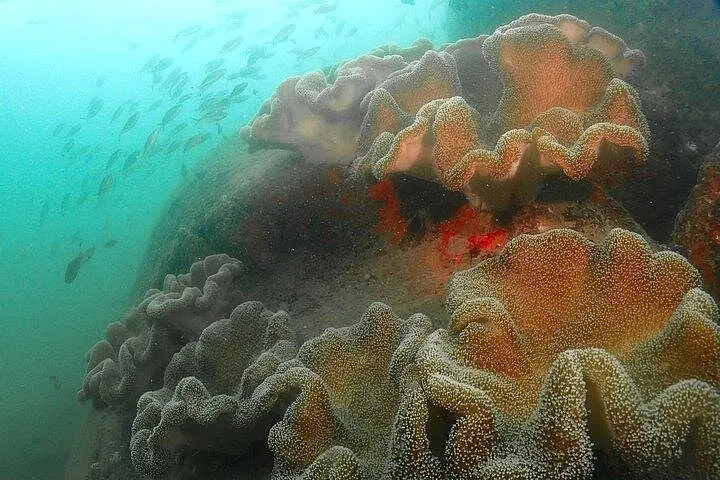
Sri Lanka’s west coast has a long maritime story — Portuguese and Dutch traders left canals and lighthouses; local fishing culture still steers daily rhythms. Geologically, the shallow reefs and sand flats outside Negombo are built from coral and broken shell, creating pockets of shelter for reef fish and occasional sea turtles. That environment makes an ideal classroom for the PADI Rescue Diver curriculum: knowledge development (five theory sections), ten practical exercises and two full rescue scenarios delivered over a flexible 3–5 day schedule.
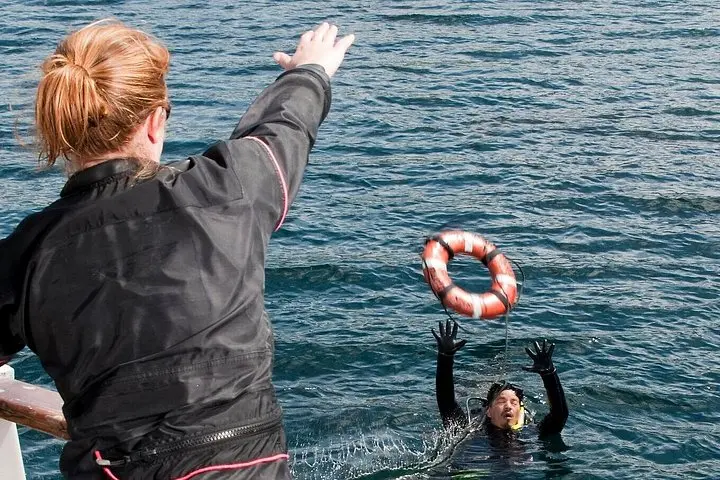
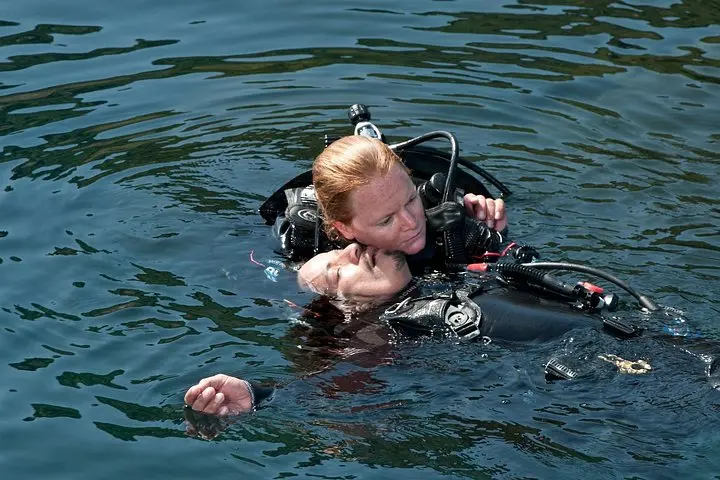
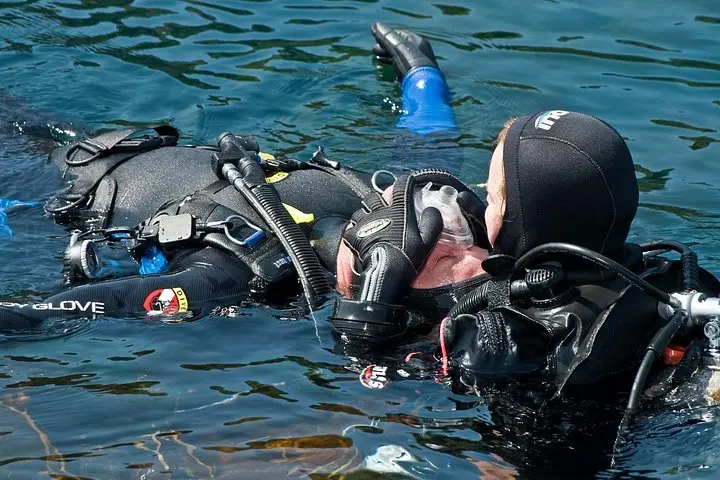
Expect a mix of shore and boat sessions, surface management drills, tired‑diver pulls, and casualty rescues in open water. The course requires current Advanced Open Water certification and proof of Emergency First Response within 24 months; you can do EFR at the centre if needed (additional fees apply). Note the mandatory PADI fee (approx. €70) for manual and certification is not included in course pricing.
Practical advice: arrive well rested, hydrated and with basic kit fitted to you; practice mask clearing and breathing control ahead of time; use reef‑safe sunscreen and carry certification cards and logbook. This course raises your situational awareness and confidence — you’ll leave able to manage incidents calmly and to look out for others in the water.
Yes — PADI Advanced Open Water (or equivalent) and Emergency First Response within 24 months are required; EFR can be completed at the dive centre for an extra fee.
The program is flexible but normally runs 3–5 days, combining classroom theory and multiple in‑water sessions (10 exercises and 2 rescue scenarios).
No — the PADI administrative/manual and certification fee (approximately €70) is charged separately and must be paid to PADI or the centre as noted in the course details.
Minimum age is typically 12; the course is not recommended for those with serious heart or spinal conditions or for pregnant participants. A moderate level of fitness is required.
Divinguru Sri Lanka operates guided outdoor trips and adventures with an emphasis on safety, stewardship, and memorable experiences.
Salt air and diesel hum from the harbor frame your first steps into the course: the ocean tugs at the shoreline, daring you to read its moods. At the dive centre you swap small‑talk for signals and checklists, then move from classroom briefs into blue water where skills are practiced until reactions are reflex.
Salt air and diesel hum from the harbor frame your first steps into the course: the ocean tugs at the shoreline, daring you to read its moods. At the dive centre you swap small‑talk for signals and checklists, then move from classroom briefs into blue water where skills are practiced until reactions are reflex.
Sri Lanka’s west coast has a long maritime story — Portuguese and Dutch traders left canals and lighthouses; local fishing culture still steers daily rhythms. Geologically, the shallow reefs and sand flats outside Negombo are built from coral and broken shell, creating pockets of shelter for reef fish and occasional sea turtles. That environment makes an ideal classroom for the PADI Rescue Diver curriculum: knowledge development (five theory sections), ten practical exercises and two full rescue scenarios delivered over a flexible 3–5 day schedule.
Expect a mix of shore and boat sessions, surface management drills, tired‑diver pulls, and casualty rescues in open water. The course requires current Advanced Open Water certification and proof of Emergency First Response within 24 months; you can do EFR at the centre if needed (additional fees apply). Note the mandatory PADI fee (approx. €70) for manual and certification is not included in course pricing.
Practical advice: arrive well rested, hydrated and with basic kit fitted to you; practice mask clearing and breathing control ahead of time; use reef‑safe sunscreen and carry certification cards and logbook. This course raises your situational awareness and confidence — you’ll leave able to manage incidents calmly and to look out for others in the water.