THE ADVENTURE COLLECTIVE® · Independent discovery and booking for outdoor travel

Train to manage dive emergencies off Gran Canaria’s sheltered coast. This PADI Rescue Diver course in Puerto de Mogán blends classroom briefings, confined-water drills and open-water rescue scenarios over three days.
Train to manage dive emergencies off Gran Canaria’s sheltered coast. This PADI Rescue Diver course in Puerto de Mogán blends classroom briefings, confined-water drills and open-water rescue scenarios over three days.
The Atlantic tugs at the breakwater as you step off the quay in Puerto de Mogán, salt on your skin and a compressed-air cylinder waiting on the dock. Over the next three days the sea becomes both classroom and testing ground: confined-water drills in calm bays give way to open-water rescue scenarios where current, buoyancy and teamwork push skills into real conditions.
Verified experiences and guided adventures in the surrounding area.
Operated by Delphinus Diving School Gran Canaria · Puerto de Mogán, Las Palmas
The Atlantic tugs at the breakwater as you step off the quay in Puerto de Mogán, salt on your skin and a compressed-air cylinder waiting on the dock. Over the next three days the sea becomes both classroom and testing ground: confined-water drills in calm bays give way to open-water rescue scenarios where current, buoyancy and teamwork push skills into real conditions.
Gran Canaria’s southern coast has a long maritime history; Puerto de Mogán evolved from a working fishing port into a sheltered harbor with clear water and volcanic reef structures that shape local dive sites. Geology here is volcanic basalt and tuff; underwater cliffs and fissures hold microhabitats for reef fish and occasional loggerhead turtles. The culture around the port mixes Canarian fishing traditions with modern dive tourism—local captains know the tides and where dolphins like to pass.
Practical guidance: expect classroom briefings, supervised pool or sheltered-bay sessions, and multiple open-water scenarios that simulate panicked or unresponsive divers. Bring a recent medical clearance if you have preexisting conditions and ensure your logbook and prior certification (Open Water) are ready. Hydrate and rest between long days; avoid flying for at least 24 hours after the last dive. Instructors will evaluate fitness, rescue technique, and scenario performance—this course is as much about judgement and communication as it is about hands-on skills.
By the end you’ll have practiced self-rescue, recognized stress in others, developed emergency plans, and run full rescue scenarios—skills that make diving safer for you and your buddies along Gran Canaria’s rugged coast.
You must be at least 12, hold an Open Water certification (or Junior equivalent), and have Emergency First Response (CPR/First Aid) within 24 months or complete it during the course.
The course runs about three days (72 hours scheduled), combining classroom theory, confined-water practice, and open-water rescue scenarios.
Yes—Emergency First Response training can usually be completed as part of the Rescue Diver program if you do not already have it.
No—avoid flying for at least 24 hours after your last dive, and follow instructor guidance on subsequent dives to reduce decompression risk.
Delphinus Diving School Gran Canaria operates guided outdoor trips and adventures with an emphasis on safety, stewardship, and memorable experiences.


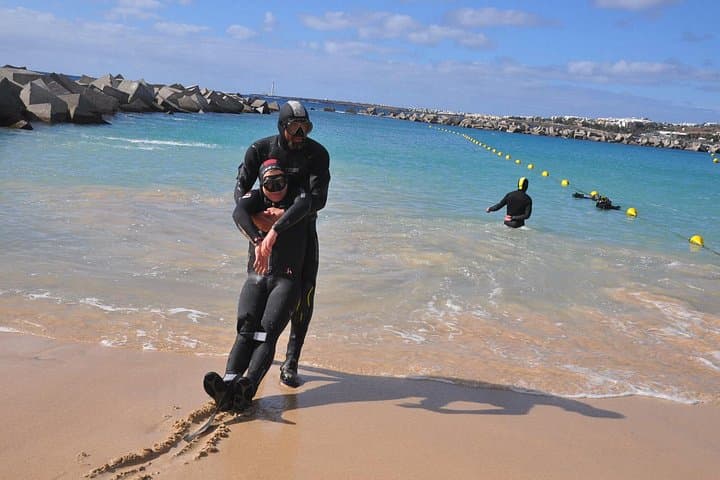
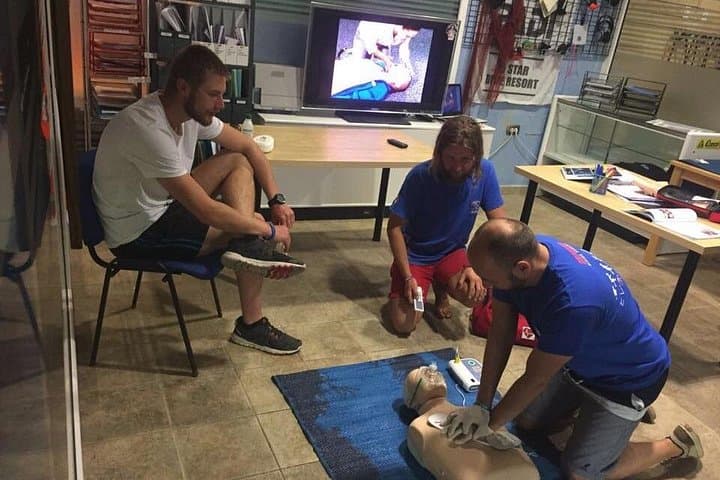
The Atlantic tugs at the breakwater as you step off the quay in Puerto de Mogán, salt on your skin and a compressed-air cylinder waiting on the dock. Over the next three days the sea becomes both classroom and testing ground: confined-water drills in calm bays give way to open-water rescue scenarios where current, buoyancy and teamwork push skills into real conditions.
The Atlantic tugs at the breakwater as you step off the quay in Puerto de Mogán, salt on your skin and a compressed-air cylinder waiting on the dock. Over the next three days the sea becomes both classroom and testing ground: confined-water drills in calm bays give way to open-water rescue scenarios where current, buoyancy and teamwork push skills into real conditions.
Gran Canaria’s southern coast has a long maritime history; Puerto de Mogán evolved from a working fishing port into a sheltered harbor with clear water and volcanic reef structures that shape local dive sites. Geology here is volcanic basalt and tuff; underwater cliffs and fissures hold microhabitats for reef fish and occasional loggerhead turtles. The culture around the port mixes Canarian fishing traditions with modern dive tourism—local captains know the tides and where dolphins like to pass.
Practical guidance: expect classroom briefings, supervised pool or sheltered-bay sessions, and multiple open-water scenarios that simulate panicked or unresponsive divers. Bring a recent medical clearance if you have preexisting conditions and ensure your logbook and prior certification (Open Water) are ready. Hydrate and rest between long days; avoid flying for at least 24 hours after the last dive. Instructors will evaluate fitness, rescue technique, and scenario performance—this course is as much about judgement and communication as it is about hands-on skills.
By the end you’ll have practiced self-rescue, recognized stress in others, developed emergency plans, and run full rescue scenarios—skills that make diving safer for you and your buddies along Gran Canaria’s rugged coast.