THE ADVENTURE COLLECTIVE® · Independent discovery and booking for outdoor travel

Spend a focused day in Costa Adeje learning core scuba skills, then apply them on two supervised open-water dives. This PADI Scuba Diver segment is a compact introduction that can be upgraded to a full Open Water certification.
Spend a focused day in Costa Adeje learning core scuba skills, then apply them on two supervised open-water dives. This PADI Scuba Diver segment is a compact introduction that can be upgraded to a full Open Water certification.
The Atlantic at Costa Adeje holds a cool, salt-scented promise: clear water sweeping off black volcanic shelves, an instructor checking gauges, and first breaths through a regulator that make the world go quiet.
Verified experiences and guided adventures in the surrounding area.
Operated by Travel Sub SLU · Costa Adeje, Santa Cruz de Tenerife
The Atlantic at Costa Adeje holds a cool, salt-scented promise: clear water sweeping off black volcanic shelves, an instructor checking gauges, and first breaths through a regulator that make the world go quiet.
This PADI Scuba Diver segment covers classroom theory, confined-water skills, and two open-water dives — enough to get comfortable under the surface with professional supervision. Tenerife’s coastline is a child of fire: recent geology of basaltic lava flows created steep reefs and underwater canyons that direct currents and concentrate marine life. Local fishing villages evolved around those reefs, and today small dive schools and charter boats continue that maritime tradition.
Expect volcanic rock walls, bouldered reefs and sandy patches that host octopus, moray eels and shoals of bream. Visibility varies with season and swell, commonly 10–25 meters on calm days. The course is practical and incremental: dry classroom sessions, skill practice in controlled water, then two guided open-water dives using supplied scuba gear; you can upgrade later to full Open Water certification.
Plan on moderate exertion and basic swim competence. Bring a swimsuit and a towel; the operator supplies tanks, regulators and wetsuits but most divers prefer their own mask and hood. Timing matters: mornings typically offer the calmest sea. Hydrate, sleep well before the day, and listen to briefings — buoyancy control and mask clearing are the two skills that make the dives comfortable and safe.
This experience is ideal for travelers short on time who want an accredited introduction to recreational diving in one of the Canary Islands’ most accessible marine environments.
Participants typically must be at least 10–12 years old depending on local regulations; check with the operator for exact age limits.
Yes — the Scuba Diver rating is a subset of Open Water and can be upgraded by completing the remaining theory and open-water dives with a PADI instructor.
You should be comfortable in the water and able to swim; the operator states a moderate level of fitness and swimming ability is required.
The operator may cancel for bad weather; their policy allows full refund with at least 24 hours’ notice and rescheduling where possible.
Travel Sub SLU operates guided outdoor trips and adventures with an emphasis on safety, stewardship, and memorable experiences.
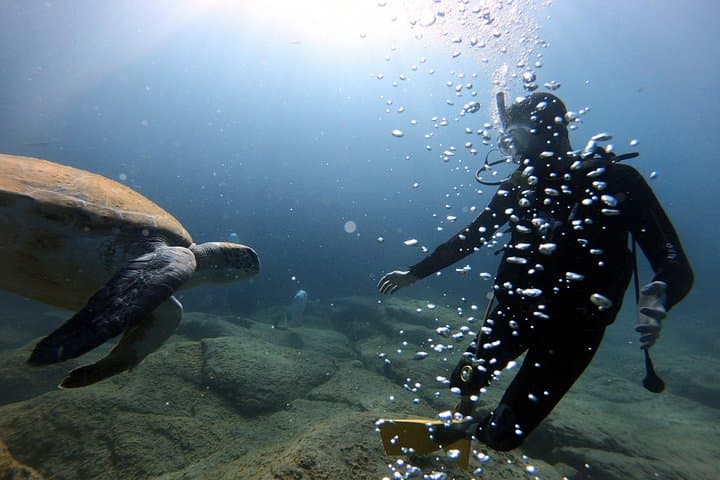
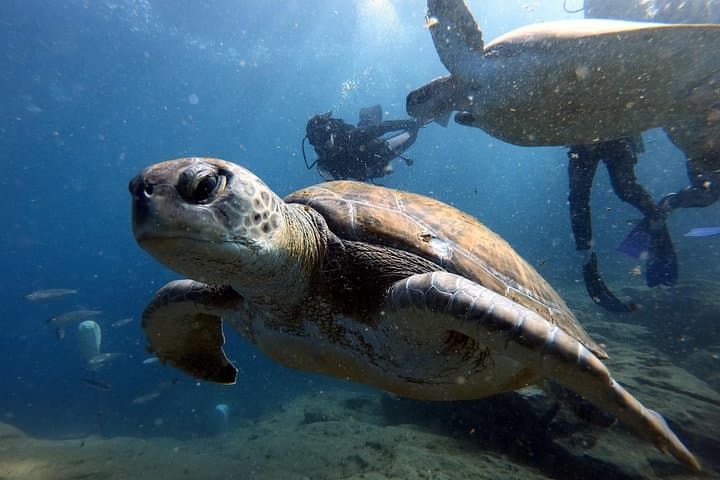
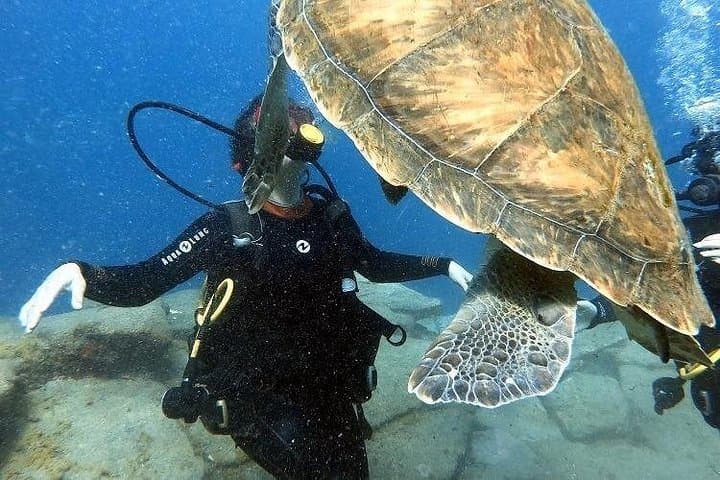
The Atlantic at Costa Adeje holds a cool, salt-scented promise: clear water sweeping off black volcanic shelves, an instructor checking gauges, and first breaths through a regulator that make the world go quiet.
The Atlantic at Costa Adeje holds a cool, salt-scented promise: clear water sweeping off black volcanic shelves, an instructor checking gauges, and first breaths through a regulator that make the world go quiet.
This PADI Scuba Diver segment covers classroom theory, confined-water skills, and two open-water dives — enough to get comfortable under the surface with professional supervision. Tenerife’s coastline is a child of fire: recent geology of basaltic lava flows created steep reefs and underwater canyons that direct currents and concentrate marine life. Local fishing villages evolved around those reefs, and today small dive schools and charter boats continue that maritime tradition.
Expect volcanic rock walls, bouldered reefs and sandy patches that host octopus, moray eels and shoals of bream. Visibility varies with season and swell, commonly 10–25 meters on calm days. The course is practical and incremental: dry classroom sessions, skill practice in controlled water, then two guided open-water dives using supplied scuba gear; you can upgrade later to full Open Water certification.
Plan on moderate exertion and basic swim competence. Bring a swimsuit and a towel; the operator supplies tanks, regulators and wetsuits but most divers prefer their own mask and hood. Timing matters: mornings typically offer the calmest sea. Hydrate, sleep well before the day, and listen to briefings — buoyancy control and mask clearing are the two skills that make the dives comfortable and safe.
This experience is ideal for travelers short on time who want an accredited introduction to recreational diving in one of the Canary Islands’ most accessible marine environments.