THE ADVENTURE COLLECTIVE® · Independent discovery and booking for outdoor travel

Try a one-day PADI Scuba Diver introduction in Sharm el-Sheikh to sample Red Sea reefs under instructor supervision. This full-day trip includes confined-water training plus two open-water dives and equipment, ideal for travelers short on time.
Try a one-day PADI Scuba Diver introduction in Sharm el-Sheikh to sample Red Sea reefs under instructor supervision. This full-day trip includes confined-water training plus two open-water dives and equipment, ideal for travelers short on time.
The boat rocks gently as the Sinai cliffs shrink behind you and the Red Sea opens like a hard, blue promise. Below the surface, plateaus of living coral and channels of sand wait; above, the sun pins bright coins across the water. The day begins with a calm briefing on deck, then three confined-water sessions followed by two guided open-water dives—enough to see parrotfish probing coral heads and, if you’re lucky, a reef shark gliding the drop-off.
Verified experiences and guided adventures in the surrounding area.
Operated by Pyramids Diving Center · Sharm el-Sheikh, South Sinai
The boat rocks gently as the Sinai cliffs shrink behind you and the Red Sea opens like a hard, blue promise. Below the surface, plateaus of living coral and channels of sand wait; above, the sun pins bright coins across the water. The day begins with a calm briefing on deck, then three confined-water sessions followed by two guided open-water dives—enough to see parrotfish probing coral heads and, if you’re lucky, a reef shark gliding the drop-off.
Sharm el-Sheikh grew from a Bedouin fishing enclave into one of Egypt’s premier dive hubs; the reefs here sit on a rifted continental margin where Gulf tectonics and warm currents have built exceptional biodiversity. Local dive culture is practical and safety-focused—PADI standards, careful equipment checks, and a long-standing partnership between operators and marine parks like Ras Mohammed.
What to expect: shallow training dives limited to 12 meters, patient instructors, and a boat-based rhythm of briefings, surface intervals, and tidy equipment storage. Visibility is typically excellent, though summer thermoclines and winter plankton can alter conditions. Bring a lightweight shorty or 3mm wetsuit depending on season, a towel, and your sense of curiosity.
Practical tips: hydrate before you dive, avoid flying for 24 hours after your last dive, and listen closely during the pre-dive safety checks. The Red Sea is resilient but fragile—no touching, no chasing; let currents and fish set the pace and you’ll leave with a clear sense of why this region draws divers from around the world.
No—this PADI Scuba Diver program is an introductory course with confined-water training and two guided open-water dives; it is not a full Open Water certification.
Participants must be at least 10 years old; youth will follow age-appropriate procedures during training and dives.
Depth is limited to 12 meters (40 feet) for PADI Scuba Diver participants, which encourages controlled, safe exposure to reef environments.
Yes—diving equipment is provided, and the trip includes hotel pickup and return transfers as stated in the inclusions.
Pyramids Diving Center operates guided outdoor trips and adventures with an emphasis on safety, stewardship, and memorable experiences.


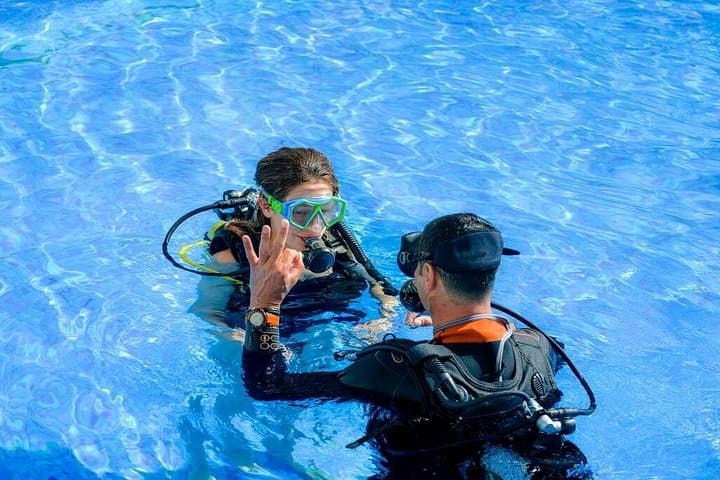
The boat rocks gently as the Sinai cliffs shrink behind you and the Red Sea opens like a hard, blue promise. Below the surface, plateaus of living coral and channels of sand wait; above, the sun pins bright coins across the water. The day begins with a calm briefing on deck, then three confined-water sessions followed by two guided open-water dives—enough to see parrotfish probing coral heads and, if you’re lucky, a reef shark gliding the drop-off.
The boat rocks gently as the Sinai cliffs shrink behind you and the Red Sea opens like a hard, blue promise. Below the surface, plateaus of living coral and channels of sand wait; above, the sun pins bright coins across the water. The day begins with a calm briefing on deck, then three confined-water sessions followed by two guided open-water dives—enough to see parrotfish probing coral heads and, if you’re lucky, a reef shark gliding the drop-off.
Sharm el-Sheikh grew from a Bedouin fishing enclave into one of Egypt’s premier dive hubs; the reefs here sit on a rifted continental margin where Gulf tectonics and warm currents have built exceptional biodiversity. Local dive culture is practical and safety-focused—PADI standards, careful equipment checks, and a long-standing partnership between operators and marine parks like Ras Mohammed.
What to expect: shallow training dives limited to 12 meters, patient instructors, and a boat-based rhythm of briefings, surface intervals, and tidy equipment storage. Visibility is typically excellent, though summer thermoclines and winter plankton can alter conditions. Bring a lightweight shorty or 3mm wetsuit depending on season, a towel, and your sense of curiosity.
Practical tips: hydrate before you dive, avoid flying for 24 hours after your last dive, and listen closely during the pre-dive safety checks. The Red Sea is resilient but fragile—no touching, no chasing; let currents and fish set the pace and you’ll leave with a clear sense of why this region draws divers from around the world.