THE ADVENTURE COLLECTIVE® · Independent discovery and booking for outdoor travel

Walk Padstow’s harbour lanes with a local guide and hear stories of St Petroc, shipbuilding, smugglers and the town’s transformation. This 90-minute tour mixes history, geology and harbour life for an intimate coastal experience.
Walk Padstow’s harbour lanes with a local guide and hear stories of St Petroc, shipbuilding, smugglers and the town’s transformation. This 90-minute tour mixes history, geology and harbour life for an intimate coastal experience.
Morning light slants across Padstow’s inner harbour, gulls punctuating the hush as a small group gathers at the white shelter on North Quay. The sea smells faintly of salt and kelp; the quay stones are warmed from yesterday’s sun. A local guide leads the way, voice low and precise, unspooling stories that make the narrow lanes feel lived-in rather than merely old.
Verified experiences and guided adventures in the surrounding area.
Operated by The Padstow History Walk · Padstow, Cornwall
Morning light slants across Padstow’s inner harbour, gulls punctuating the hush as a small group gathers at the white shelter on North Quay. The sea smells faintly of salt and kelp; the quay stones are warmed from yesterday’s sun. A local guide leads the way, voice low and precise, unspooling stories that make the narrow lanes feel lived-in rather than merely old.
The walk traces Padstow’s maritime arc: a fishing port that grew around St Petroc’s monastery, weathering famine, disease, and the arrival of the railway that reshaped its fortunes. Stone buildings stand as evidence of shipbuilding and trade, while Mill Square hints at industrial and social histories—water power, outbreaks of cholera, and the slow turn toward tourism.
Geologically, the headlands and estuary are products of Devonian rocks and coastal processes that nudge the harbour in and out with the tides; culture here is braided with the sea—fishing techniques, smuggling lore and festival life. You’ll hear about local characters and the practical trades that shaped houses, lanes and livelihoods.
Practical guidance: the route is gentle, largely level, and suitable for all ages over 90 minutes. Wear closed-toe shoes for cobbles and bring a light waterproof—Cornwall weather shifts quickly. Bring water and a camera; ask the guide about lesser-known alleys and photo vantage points. The tour’s small size keeps it conversational, so arrive a few minutes early to locate the meeting point and secure a spot near the quay for the best harbour views.
Yes—routes are gentle and stroller-accessible in many sections, though some cobbled areas can be bumpy; check with the guide for alternate lines.
Service animals are permitted; for non-service dogs verify with the operator in advance as spaces are limited.
The walk starts at the White Shelter on North Quay Parade, close to the ferry landing in Padstow harbour.
The tour runs in most conditions; wear appropriate waterproofs—cancellations are rare and follow the operator’s 24-hour refund policy for cancellations.
The Padstow History Walk operates guided outdoor trips and adventures with an emphasis on safety, stewardship, and memorable experiences.
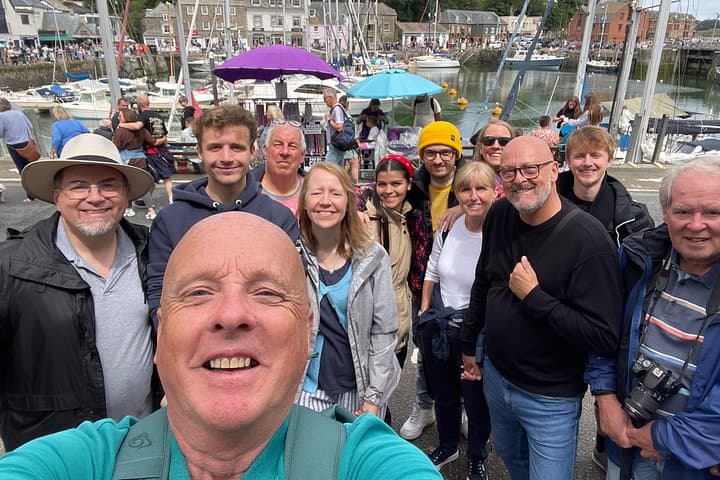


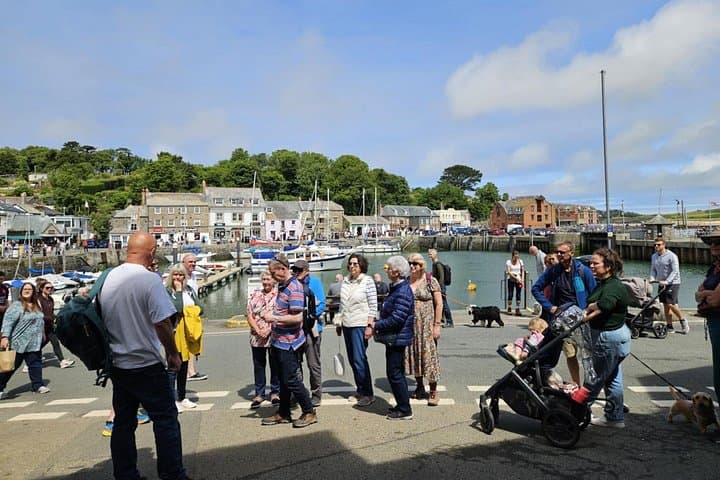
Morning light slants across Padstow’s inner harbour, gulls punctuating the hush as a small group gathers at the white shelter on North Quay. The sea smells faintly of salt and kelp; the quay stones are warmed from yesterday’s sun. A local guide leads the way, voice low and precise, unspooling stories that make the narrow lanes feel lived-in rather than merely old.
Morning light slants across Padstow’s inner harbour, gulls punctuating the hush as a small group gathers at the white shelter on North Quay. The sea smells faintly of salt and kelp; the quay stones are warmed from yesterday’s sun. A local guide leads the way, voice low and precise, unspooling stories that make the narrow lanes feel lived-in rather than merely old.
The walk traces Padstow’s maritime arc: a fishing port that grew around St Petroc’s monastery, weathering famine, disease, and the arrival of the railway that reshaped its fortunes. Stone buildings stand as evidence of shipbuilding and trade, while Mill Square hints at industrial and social histories—water power, outbreaks of cholera, and the slow turn toward tourism.
Geologically, the headlands and estuary are products of Devonian rocks and coastal processes that nudge the harbour in and out with the tides; culture here is braided with the sea—fishing techniques, smuggling lore and festival life. You’ll hear about local characters and the practical trades that shaped houses, lanes and livelihoods.
Practical guidance: the route is gentle, largely level, and suitable for all ages over 90 minutes. Wear closed-toe shoes for cobbles and bring a light waterproof—Cornwall weather shifts quickly. Bring water and a camera; ask the guide about lesser-known alleys and photo vantage points. The tour’s small size keeps it conversational, so arrive a few minutes early to locate the meeting point and secure a spot near the quay for the best harbour views.