THE ADVENTURE COLLECTIVE® · Independent discovery and booking for outdoor travel

Spend a full day exploring Paestum’s towering Doric temples and compact museum on a private transfer from Sorrento or Positano. This guided tour combines on-site storytelling with practical pacing to cover the ruins, the museum and local culinary highlights.
Spend a full day exploring Paestum’s towering Doric temples and compact museum on a private transfer from Sorrento or Positano. This guided tour combines on-site storytelling with practical pacing to cover the ruins, the museum and local culinary highlights.
The day begins before dawn on the Amalfi coast: your driver collects you in Sorrento or Positano and the road slides away behind, the Tyrrhenian Sea receding as the Campanian plain opens. By mid-morning the Doric columns appear on the horizon — massive, sun-washed stones standing like old guards over a landscape that still smells of salt and grass.
Verified experiences and guided adventures in the surrounding area.
Operated by Esposito Car Service · Capaccio, Campania
The day begins before dawn on the Amalfi coast: your driver collects you in Sorrento or Positano and the road slides away behind, the Tyrrhenian Sea receding as the Campanian plain opens. By mid-morning the Doric columns appear on the horizon — massive, sun-washed stones standing like old guards over a landscape that still smells of salt and grass.
Paestum (ancient Poseidonia) was a Greek colony founded in the 7th century BC and later absorbed into Roman Italy. Geologically the site sits on a low alluvial plain shaped by rivers that once fed nearby marshes; that flatness is part of what preserved the temples, allowing them to loom in uninterrupted sightlines. The temple trio — Hera I, Hera II and Athena — are among the best-preserved Doric structures in Europe, and the nearby museum houses finds including the famous Tomb of the Diver fresco, a rare surviving Greek tomb painting.
Culturally, modern Paestum is as much about food as stones: buffalo mozzarella and Cilento dishes dominate village tables, and small farms near the site offer authentic stops after the ruins. The air here pushes at you with summer heat and winter wind alike, so timing matters.
Practical guidance: this private tour runs roughly nine hours with guided time at the ruins and museum; admission is usually paid on-site. Wear sturdy walking shoes for uneven stone and compacted dirt, bring sun protection and water, and plan morning visits to avoid the hottest midday sun. The park is largely level and accessible, but expect stretches of exposed ground between monuments.
Admissions are typically not included in the private transfer; you or the operator will pay on-site—confirm during booking.
Yes, the private tour offers hotel pickup in Sorrento or Positano—provide exact pickup details when booking.
Many main areas and paths are accessible, and the description notes wheelchair-accessible options, but some temple platforms have steps—check specifics with the operator ahead of time.
There are basic facilities and a small café/museum shop; for fuller meals and local specialties consider stopping in the nearby town or arranging a visit to a local farm.
Esposito Car Service operates guided outdoor trips and adventures with an emphasis on safety, stewardship, and memorable experiences.
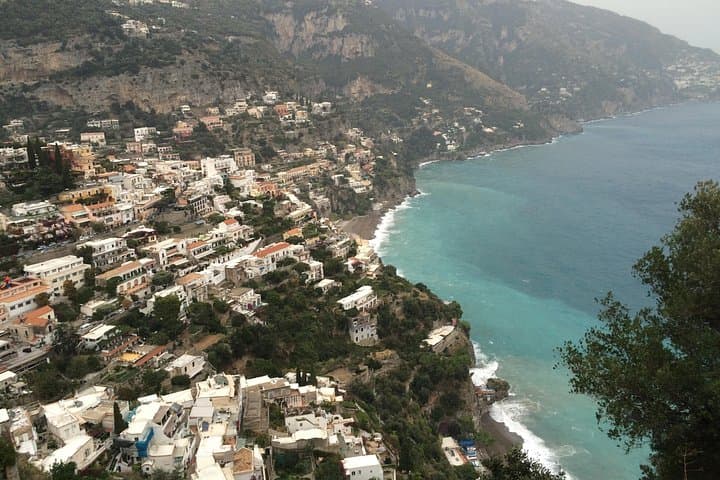
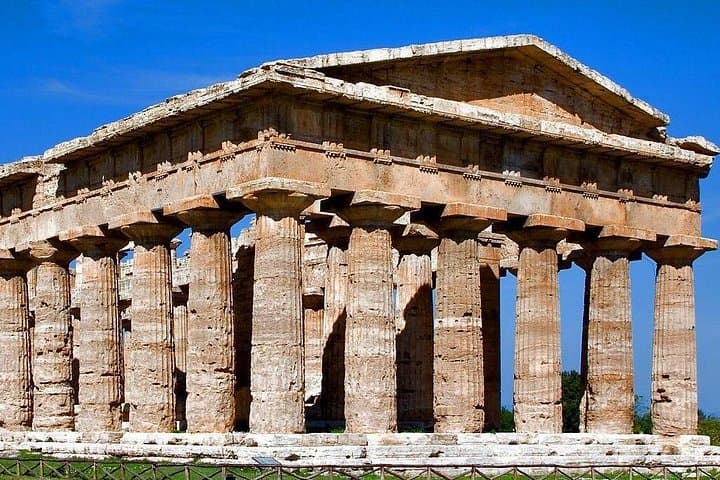

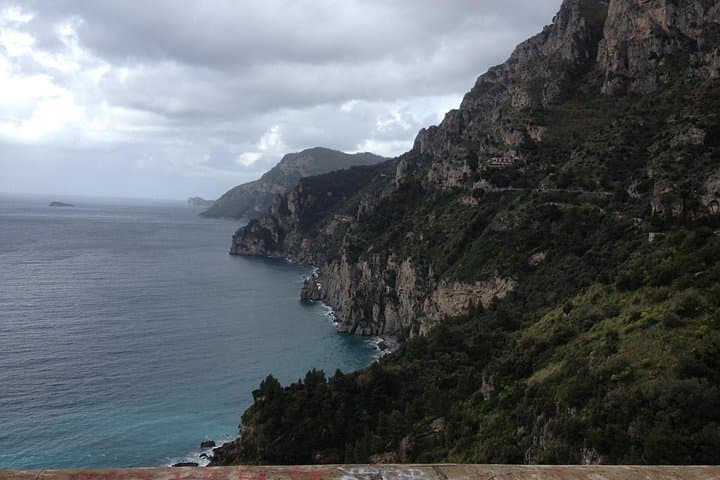
The day begins before dawn on the Amalfi coast: your driver collects you in Sorrento or Positano and the road slides away behind, the Tyrrhenian Sea receding as the Campanian plain opens. By mid-morning the Doric columns appear on the horizon — massive, sun-washed stones standing like old guards over a landscape that still smells of salt and grass.
The day begins before dawn on the Amalfi coast: your driver collects you in Sorrento or Positano and the road slides away behind, the Tyrrhenian Sea receding as the Campanian plain opens. By mid-morning the Doric columns appear on the horizon — massive, sun-washed stones standing like old guards over a landscape that still smells of salt and grass.
Paestum (ancient Poseidonia) was a Greek colony founded in the 7th century BC and later absorbed into Roman Italy. Geologically the site sits on a low alluvial plain shaped by rivers that once fed nearby marshes; that flatness is part of what preserved the temples, allowing them to loom in uninterrupted sightlines. The temple trio — Hera I, Hera II and Athena — are among the best-preserved Doric structures in Europe, and the nearby museum houses finds including the famous Tomb of the Diver fresco, a rare surviving Greek tomb painting.
Culturally, modern Paestum is as much about food as stones: buffalo mozzarella and Cilento dishes dominate village tables, and small farms near the site offer authentic stops after the ruins. The air here pushes at you with summer heat and winter wind alike, so timing matters.
Practical guidance: this private tour runs roughly nine hours with guided time at the ruins and museum; admission is usually paid on-site. Wear sturdy walking shoes for uneven stone and compacted dirt, bring sun protection and water, and plan morning visits to avoid the hottest midday sun. The park is largely level and accessible, but expect stretches of exposed ground between monuments.