THE ADVENTURE COLLECTIVE® · Independent discovery and booking for outdoor travel

This free, one-day K–12 workshop at the Thomas Cole National Historic Site trains teachers to use 19th-century landscape painting to teach core U.S. history topics and earn CTLE credits. Join historians and museum educators for hands-on lesson plans, museum access, and place-based learning in the Hudson River Valley.
This free, one-day K–12 workshop at the Thomas Cole National Historic Site trains teachers to use 19th-century landscape painting to teach core U.S. history topics and earn CTLE credits. Join historians and museum educators for hands-on lesson plans, museum access, and place-based learning in the Hudson River Valley.
Book with Thomas Cole National Historic Site
Verified experiences and guided adventures in the surrounding area.
Operated by Thomas Cole National Historic Site · Catskill, New York
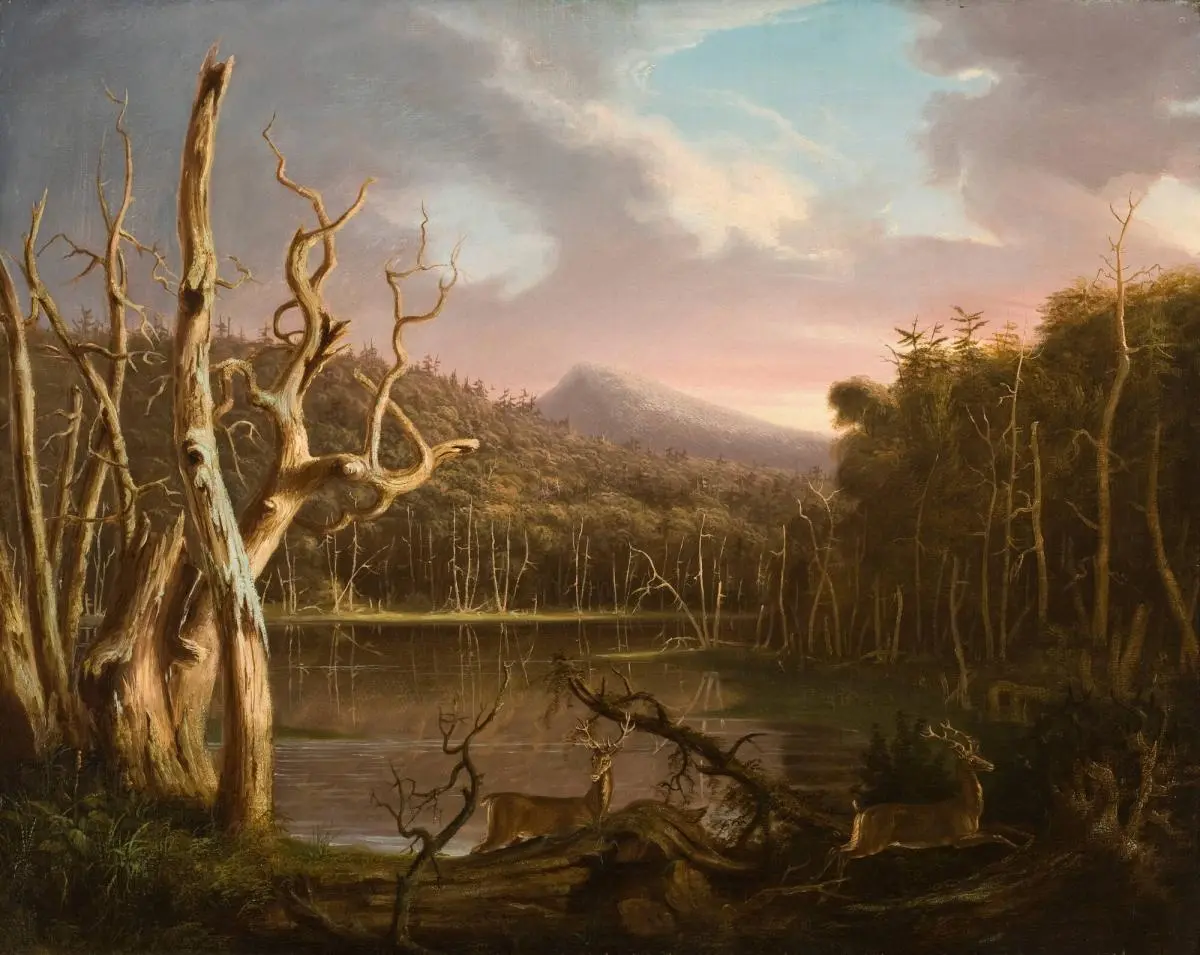
At the Thomas Cole National Historic Site in Catskill, New York, a one-day teacher workshop turns 19th-century landscape painting into a tool for teaching American history. This K–12 professional development session invites educators to stand in the artist’s studio rooms, study original works and learn strategies to bring Colonial Foundations, Expansion, Nationalism and Sectionalism, Westward Movement and Industrialization into classroom lessons.
The program runs 9:30 am–3:30 pm and is offered free to teachers, including museum access, workshop materials and lunch. Sessions are led by Greene County Historian Jonathan Palmer, West Point University Professor of History Dr. Robert McDonald and museum education and curatorial staff. Practical classroom takeaways include lesson plans aligned to history, art and science standards, tools of inquiry, visual-analysis techniques and place-based activities that use paintings, primary-source texts and cultural reproductions.
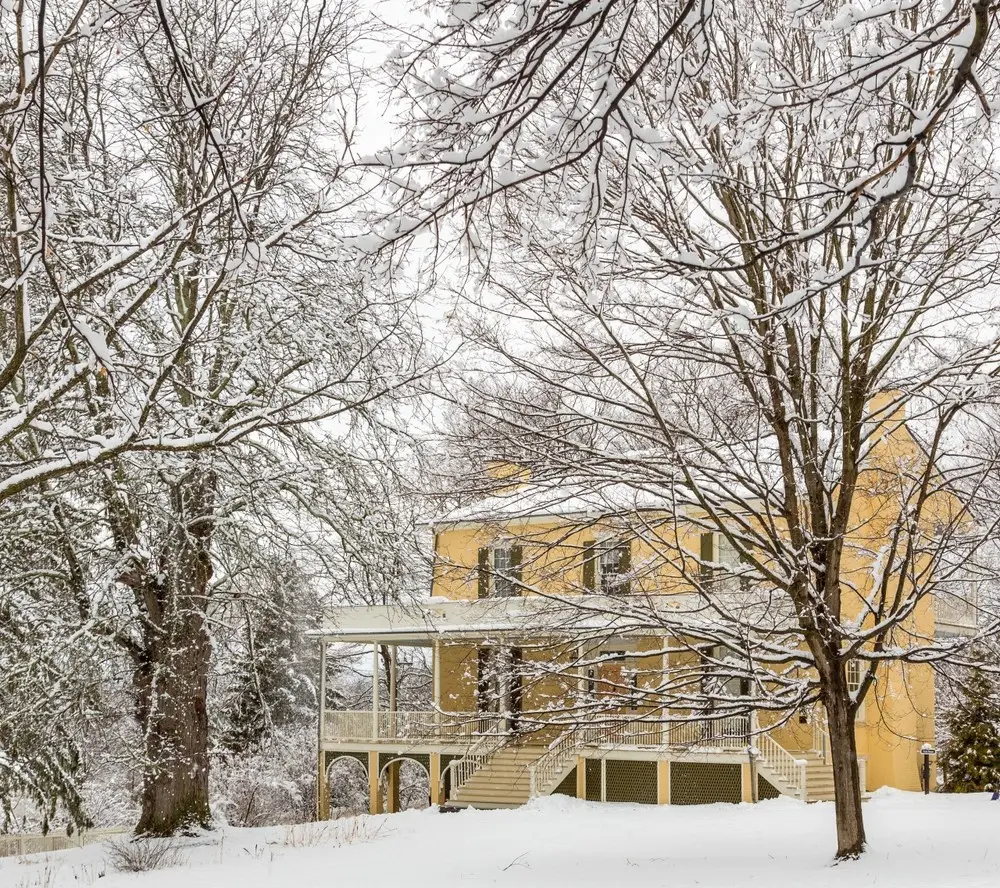
The place itself amplifies the curriculum. Thomas Cole’s Main House, the Cole Center, the Storehouse and the 1846 New Studio provide rooms where landscape art meets landscape geography—views toward the Catskill Mountains and Hudson River Valley help interpret why these paintings mattered in the early republic. The grounds are a mix of lawn, mature deciduous trees and loose gravel paths; several exterior viewpoints afford a fresh perspective on the regional topography that inspired the Hudson River School. Visitors often note seasonal shifts in light and bird migration that make repeat visits worthwhile.
Practical details matter: check in at the Cole Center via the Spring Street entrance and use the free parking lot shared with Temple Israel. The site is partially wheelchair accessible; the first floor of the Main House is reachable by an elevator lift but the second floor requires stairs. Walking paths are loose gravel. Teachers who complete the workshop can receive CTLE credits through Questar III Boces; contact [email protected] or call 518-943-7465 ext. 109 with questions.
The day also includes conversation about teaching strategies, group work and time to explore exhibitions such as Thomas Cole: Painting the Nature of America. Participants receive digital and print materials, and site offers a free digital guide on Bloomberg Connects. Umbrellas and a wheelchair are available on a first-come, first-served basis to support accessibility and comfort.
What makes this workshop a standout is its synthesis of scholarly expertise, museum collections and place-based pedagogy. It translates Thomas Cole’s landscapes into classroom investigations about the nation’s early challenges and transformations, offering concrete activities, assessment ideas and digital resources. Whether you teach early elementary or high school, you’ll leave with adaptable lesson plans and the conviction that a painting can be an entry point into larger stories about environment, economy and identity. Advance registration is required; spaces are limited, and educators often return year after year for fresh curricular approaches rooted in this very ground.
Yes. The one-day professional development session is free and includes museum access, workshop materials and lunch.
Teachers who complete the workshop can receive CTLE credits provided by Questar III Boces—confirm during registration.
Advance registration is required; use the referral link or contact [email protected] for registration details.
The Cole Center, Storehouse and 1846 New Studio are wheelchair accessible; the Main House first floor can be reached by elevator lift but the second floor requires stairs.
Check in at the Cole Center via the Spring Street entrance; parking is free in the lot shared with Temple Israel.
Pets are welcome on the grounds if leashed but may not enter buildings or porches; service animals are permitted—email [email protected] with questions.
Thomas Cole National Historic Site in Catskill, New York preserves the home, studio, and landscape associated with Thomas Cole, founder of the Hudson River School. The site presents guided and self-guided visits, rotating exhibitions, hands-on workshops, seasonal festivals, and group tour packages for diverse audiences. Programs include curator-led tours, Sunday Salon talks, artist and curator roundtables, craft workshops such as needle-felting and pressed-flower making, plant-dyeing classes, educational teacher workshops, and family events tied to harvest celebrations. The site also interprets Emily Cole’s legacy through exhibitions that feature painted porcelain, works on paper, and contemporary responses to her art. Museum educators and trained Museum Guides lead visits and workshops, and collaborating historians, curators, and artists contribute expertise to public programs. Group visits accommodate 12 to 40 participants with guided experiences up to seventy-five minutes, followed by access to the on-site gift shop. Special events have included partnerships with local organizations such as Wild Hudson Valley and Arm-of-the-Sea Theater, highlighting regional ecology, agricultural history, and community creativity. The Thomas Cole National Historic Site operates as a steward of historic architecture, landscape, and artistic legacy, offering accessible educational programming for families, students, art lovers, and historians. Visitors to the site encounter curated exhibitions, interactive activities, and opportunities to learn about early nineteenth-century American art and environmental ideas that informed Thomas Cole’s work. Trained Museum Guides answer questions and enhance interpretation for visitors; special exhibitions, rotating programs, and partnerships connect Cole’s art to landscape, regional history, ecological themes, and contemporary artistic practice and education.

Book with Thomas Cole National Historic Site