THE ADVENTURE COLLECTIVE® · Independent discovery and booking for outdoor travel

Spend three days tracing the same light and views that drew Cézanne and Van Gogh. This workshop pairs studio technique with short outdoor painting sessions along a local painters' trail—supplies and lunches included.
Spend three days tracing the same light and views that drew Cézanne and Van Gogh. This workshop pairs studio technique with short outdoor painting sessions along a local painters' trail—supplies and lunches included.
The studio opens with the smell of coffee and sun-warmed paper; a low wall outside offers the first vantage where light chisels the church garden into planes of color. For three days you move between studio instruction and short field sessions, carrying a sketchbook like a small, portable studio as the Provençal light changes from cool morning to honeyed late afternoon.
Verified experiences and guided adventures in the surrounding area.
Operated by Paul Cézanne Academy of Painting · Aix-en-Provence, Provence-Alpes-Côte d'Azur
The studio opens with the smell of coffee and sun-warmed paper; a low wall outside offers the first vantage where light chisels the church garden into planes of color. For three days you move between studio instruction and short field sessions, carrying a sketchbook like a small, portable studio as the Provençal light changes from cool morning to honeyed late afternoon.
Provence has been a draw for painters since the 19th century—Cézanne mapped Sainte-Victoire, Van Gogh recorded Arles—so the course places you where modern artists once stopped to study color and form. Geology matters here: limestone ridges, ochre cliffs and plateaus reflect and scatter light differently, teaching you to observe not just shape but atmosphere. Local culture—markets, cafés, and stone farmhouses—feeds subject matter and rhythm.
Practical guidance: all painting supplies are provided; expect two picnic lunches and morning studio coffee. Each field session runs 3–4 hours with easy walks to viewpoints; comfortable shoes and a sun hat make those sessions pleasant. The teaching blends technical demos (gouache, watercolor, ink) with intuitive sketching, making it suitable for beginners and experienced painters alike. Bring a small water bottle, spare brush cloths, and a lightweight folding stool if you prefer to sit. Mornings are best for crisp contrasts; late afternoons reveal richer harmonies. Workshops cap at small groups to keep feedback personal—come with curiosity and leave with study sheets, a few finished pieces, and a clearer eye for how Provence persuades color to speak.
Yes—paints, brushes, paper and basic materials are provided; you may bring personal tools if you prefer.
No—this workshop accommodates beginners and those with experience by combining technical demos with guided practice.
Field sessions typically involve short, easy walks from the studio to nearby viewpoints; terrain can be uneven but not strenuous.
Full refund is available if cancelled at least 3 full days before start; cancellations within 3 days are not refundable, and the workshop may be cancelled if minimum participation isn’t met.
Paul Cézanne Academy of Painting operates guided outdoor trips and adventures with an emphasis on safety, stewardship, and memorable experiences.
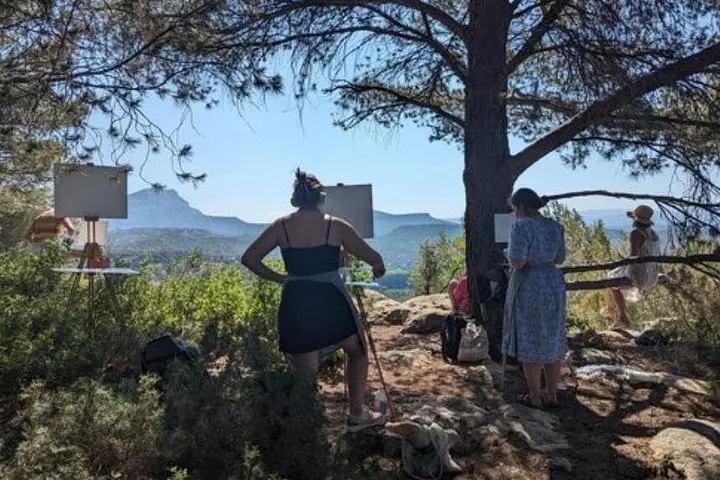
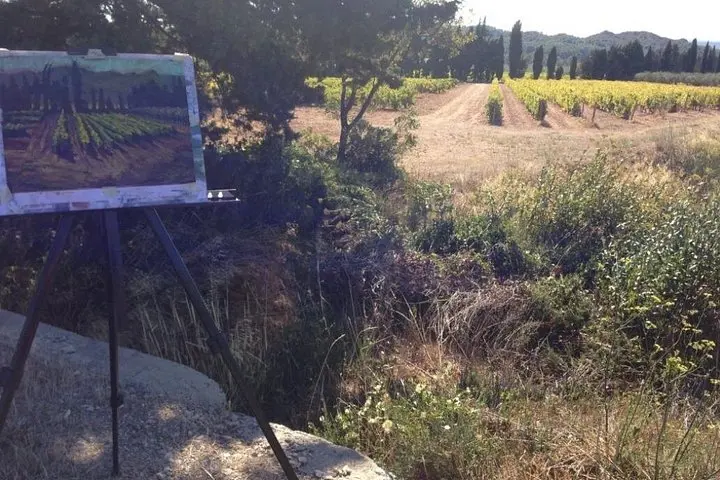
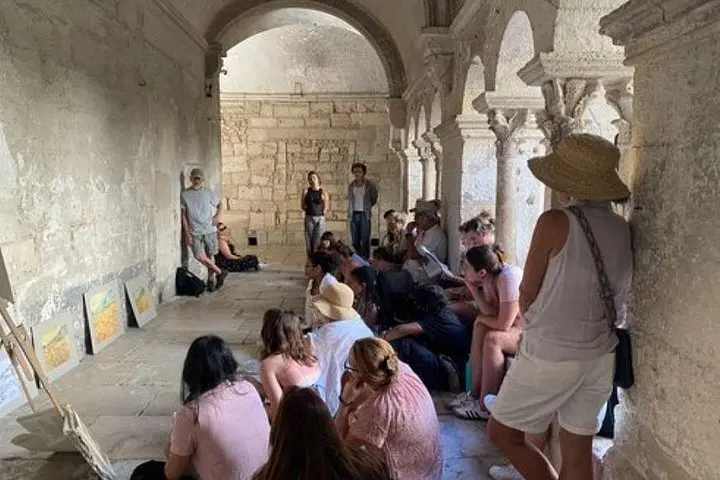
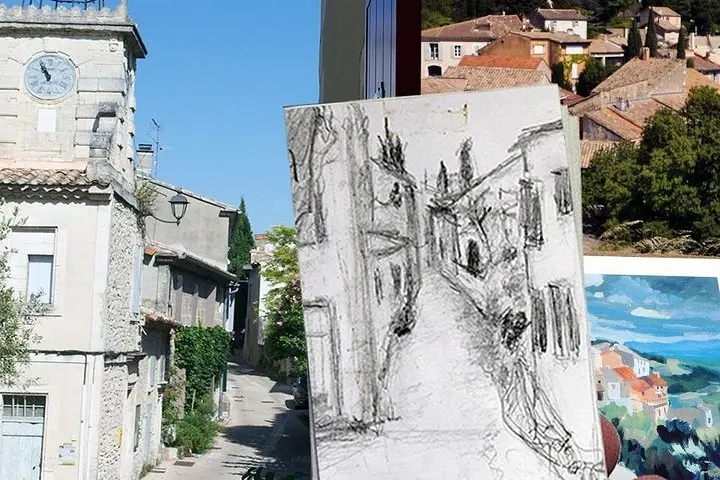
The studio opens with the smell of coffee and sun-warmed paper; a low wall outside offers the first vantage where light chisels the church garden into planes of color. For three days you move between studio instruction and short field sessions, carrying a sketchbook like a small, portable studio as the Provençal light changes from cool morning to honeyed late afternoon.
The studio opens with the smell of coffee and sun-warmed paper; a low wall outside offers the first vantage where light chisels the church garden into planes of color. For three days you move between studio instruction and short field sessions, carrying a sketchbook like a small, portable studio as the Provençal light changes from cool morning to honeyed late afternoon.
Provence has been a draw for painters since the 19th century—Cézanne mapped Sainte-Victoire, Van Gogh recorded Arles—so the course places you where modern artists once stopped to study color and form. Geology matters here: limestone ridges, ochre cliffs and plateaus reflect and scatter light differently, teaching you to observe not just shape but atmosphere. Local culture—markets, cafés, and stone farmhouses—feeds subject matter and rhythm.
Practical guidance: all painting supplies are provided; expect two picnic lunches and morning studio coffee. Each field session runs 3–4 hours with easy walks to viewpoints; comfortable shoes and a sun hat make those sessions pleasant. The teaching blends technical demos (gouache, watercolor, ink) with intuitive sketching, making it suitable for beginners and experienced painters alike. Bring a small water bottle, spare brush cloths, and a lightweight folding stool if you prefer to sit. Mornings are best for crisp contrasts; late afternoons reveal richer harmonies. Workshops cap at small groups to keep feedback personal—come with curiosity and leave with study sheets, a few finished pieces, and a clearer eye for how Provence persuades color to speak.