THE ADVENTURE COLLECTIVE® · Independent discovery and booking for outdoor travel

A concise 3-night, 4-day private tour that pairs Seoul’s palaces and river sights with an intimate, fully guided DMZ visit. Travel comfortably by private vehicle and learn Cold War history alongside Korean culture.
A concise 3-night, 4-day private tour that pairs Seoul’s palaces and river sights with an intimate, fully guided DMZ visit. Travel comfortably by private vehicle and learn Cold War history alongside Korean culture.
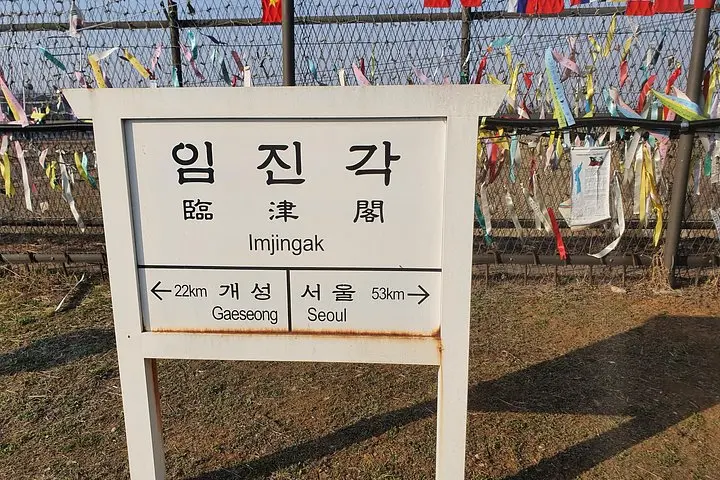
You step off an air-conditioned vehicle into an open plaza at Imjingak, the wind carrying a distant hum from the border and the outline of guard posts along the horizon daring you to look. The first day in Seoul eases you into the trip: neon-lit Myeongdong streets, the vertical sweep of Namsan Tower and the night view that pins the city like a map.
Verified experiences and guided adventures in the surrounding area.
Operated by Inside Korea Travel_ · Seoul, Seoul
You step off an air-conditioned vehicle into an open plaza at Imjingak, the wind carrying a distant hum from the border and the outline of guard posts along the horizon daring you to look. The first day in Seoul eases you into the trip: neon-lit Myeongdong streets, the vertical sweep of Namsan Tower and the night view that pins the city like a map.
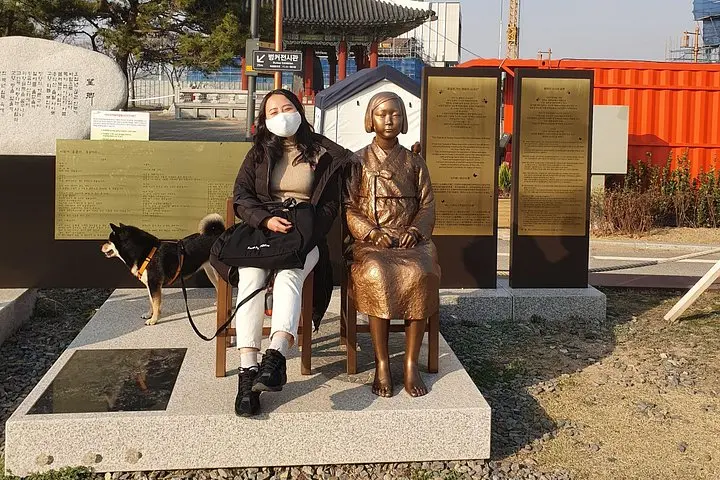
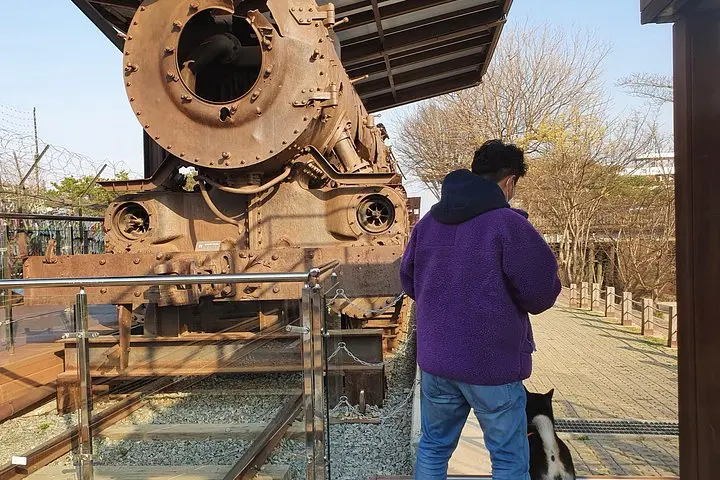
Over four days the itinerary stitches modern Seoul to the Cold War’s front line. Changdeokgung and the Secret Garden demonstrate Joseon dynasty planning and aesthetics; Insadong and Namsangol Hanok Village offer tangible fragments of craft and daily life. Then the DMZ — roughly 50 km north of central Seoul — brings a different register: Imjingak Park memorials, the Third Infiltration Tunnel (a subterranean relic), Dorasan Station’s unused platform and observation points that frame North Korea without crossing it.
Geology here is low rolling hills and river plains; the Han River runs like an artery through the city, while the DMZ corridor has become an accidental refuge for migratory birds and rare wetlands. Cultural context matters: the DMZ exists because of the 1953 armistice and is as much museum as military boundary.
Practical guidance: bring your passport, expect basic security screenings, and follow guide instructions and photography rules. Comfortable shoes, layered clothing for sudden temperature shifts, and a charged phone are smart. Days are full but paced; meals and a 3-star hotel stay are included, and a private guide plus vehicle minimizes logistics so you can focus on landscapes, history and the odd silence at the border.
Yes. A valid passport is required for DMZ entry and will be checked during security clearance.
Yes — breakfasts, lunches and most dinners are included as listed, and accommodation is a central 3-star hotel for the 3 nights.
Tours follow strict military and safety protocols; visitors must comply with guides and checkpoints—incidents are rare but rules are enforced.
Children can join; the itinerary notes stroller access and infant seats, but parents should consider security screening and the emotional weight of DMZ sites.
Inside Korea Travel_ operates guided outdoor trips and adventures with an emphasis on safety, stewardship, and memorable experiences.
You step off an air-conditioned vehicle into an open plaza at Imjingak, the wind carrying a distant hum from the border and the outline of guard posts along the horizon daring you to look. The first day in Seoul eases you into the trip: neon-lit Myeongdong streets, the vertical sweep of Namsan Tower and the night view that pins the city like a map.
You step off an air-conditioned vehicle into an open plaza at Imjingak, the wind carrying a distant hum from the border and the outline of guard posts along the horizon daring you to look. The first day in Seoul eases you into the trip: neon-lit Myeongdong streets, the vertical sweep of Namsan Tower and the night view that pins the city like a map.
Over four days the itinerary stitches modern Seoul to the Cold War’s front line. Changdeokgung and the Secret Garden demonstrate Joseon dynasty planning and aesthetics; Insadong and Namsangol Hanok Village offer tangible fragments of craft and daily life. Then the DMZ — roughly 50 km north of central Seoul — brings a different register: Imjingak Park memorials, the Third Infiltration Tunnel (a subterranean relic), Dorasan Station’s unused platform and observation points that frame North Korea without crossing it.
Geology here is low rolling hills and river plains; the Han River runs like an artery through the city, while the DMZ corridor has become an accidental refuge for migratory birds and rare wetlands. Cultural context matters: the DMZ exists because of the 1953 armistice and is as much museum as military boundary.
Practical guidance: bring your passport, expect basic security screenings, and follow guide instructions and photography rules. Comfortable shoes, layered clothing for sudden temperature shifts, and a charged phone are smart. Days are full but paced; meals and a 3-star hotel stay are included, and a private guide plus vehicle minimizes logistics so you can focus on landscapes, history and the odd silence at the border.