THE ADVENTURE COLLECTIVE® · Independent discovery and booking for outdoor travel

Explore the frontline of modern Korean history on a private day tour from Seoul. Visit Imjingak, Camp Greaves, the 3rd Infiltration Tunnel and Dora Observatory with guided context and practical logistics for a full-day border experience.
Explore the frontline of modern Korean history on a private day tour from Seoul. Visit Imjingak, Camp Greaves, the 3rd Infiltration Tunnel and Dora Observatory with guided context and practical logistics for a full-day border experience.
A low, metallic dawn settles over the Imjin River as the private minivan eases into Imjingak Park. Flags ripple; the air carries the distant cadence of traffic and the subdued hush of a space cut off from ordinary life. Walking past the frozen locomotives and the Freedom Bridge, visitors feel the divide not as abstraction but as landscape—barbed wire, watchtowers, and a river that seems to hold its breath.
Verified experiences and guided adventures in the surrounding area.
Operated by TOURSTORY · Paju, Gyeonggi-do
A low, metallic dawn settles over the Imjin River as the private minivan eases into Imjingak Park. Flags ripple; the air carries the distant cadence of traffic and the subdued hush of a space cut off from ordinary life. Walking past the frozen locomotives and the Freedom Bridge, visitors feel the divide not as abstraction but as landscape—barbed wire, watchtowers, and a river that seems to hold its breath.
The DMZ was born from the 1953 armistice, carving a 4-kilometer buffer that froze front lines and left villages and military relics as quiet markers of modern history. Geology here is lowland river plain—flat approaches give way to ridgelines at the Dora observation point, where binoculars frame parts of North Korea and the propaganda village on the far slope. Camp Greaves, a former U.S. base, now houses exhibitions and a youth hostel that interpret five decades of garrison life.
Expect a blend of museum-like interpretation and field visits: Imjingak’s memorials, Camp Greaves’ restored quarters, an optional Peace Gondola crossing, the claustrophobic 3rd Infiltration Tunnel with safety helmets, and Dora Observatory’s high-power views. Guides provide context on military strategy, civilian stories, and the DMZ’s unintended role as a wildlife refuge.
Practical notes: bring your passport and arrive with correct booking details; allow 9–10 hours for the round-trip from Seoul; dress in layers for winds on the observatory ridge; wear comfortable shoes suitable for short, uneven walks. Photography is allowed in some sites but restricted in others—follow guide instructions and security signage to keep the visit safe and respectful.
Bring a valid passport for every traveler; the name and passport number provided at booking must match the passport exactly.
The Peace Gondola is optional on many itineraries; check your booking details and be prepared for an extra fee if you choose to ride.
Children are allowed but charged the same rate as adults; parents should ensure passports are provided for all minors.
Tours may be altered or canceled due to security; operators typically notify guests in advance and offer rebooking or refunds according to their policy.
TOURSTORY operates guided outdoor trips and adventures with an emphasis on safety, stewardship, and memorable experiences.
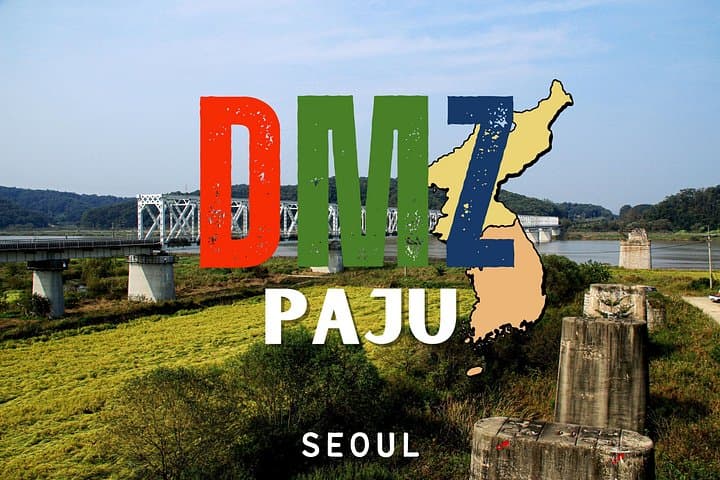
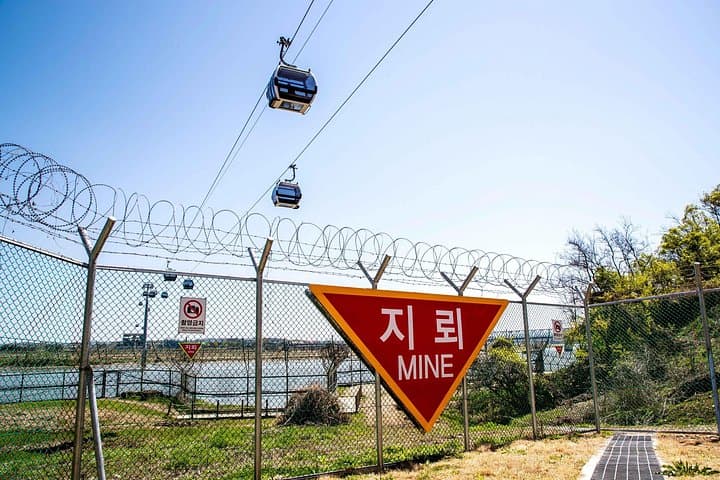


A low, metallic dawn settles over the Imjin River as the private minivan eases into Imjingak Park. Flags ripple; the air carries the distant cadence of traffic and the subdued hush of a space cut off from ordinary life. Walking past the frozen locomotives and the Freedom Bridge, visitors feel the divide not as abstraction but as landscape—barbed wire, watchtowers, and a river that seems to hold its breath.
A low, metallic dawn settles over the Imjin River as the private minivan eases into Imjingak Park. Flags ripple; the air carries the distant cadence of traffic and the subdued hush of a space cut off from ordinary life. Walking past the frozen locomotives and the Freedom Bridge, visitors feel the divide not as abstraction but as landscape—barbed wire, watchtowers, and a river that seems to hold its breath.
The DMZ was born from the 1953 armistice, carving a 4-kilometer buffer that froze front lines and left villages and military relics as quiet markers of modern history. Geology here is lowland river plain—flat approaches give way to ridgelines at the Dora observation point, where binoculars frame parts of North Korea and the propaganda village on the far slope. Camp Greaves, a former U.S. base, now houses exhibitions and a youth hostel that interpret five decades of garrison life.
Expect a blend of museum-like interpretation and field visits: Imjingak’s memorials, Camp Greaves’ restored quarters, an optional Peace Gondola crossing, the claustrophobic 3rd Infiltration Tunnel with safety helmets, and Dora Observatory’s high-power views. Guides provide context on military strategy, civilian stories, and the DMZ’s unintended role as a wildlife refuge.
Practical notes: bring your passport and arrive with correct booking details; allow 9–10 hours for the round-trip from Seoul; dress in layers for winds on the observatory ridge; wear comfortable shoes suitable for short, uneven walks. Photography is allowed in some sites but restricted in others—follow guide instructions and security signage to keep the visit safe and respectful.