THE ADVENTURE COLLECTIVE® · Independent discovery and booking for outdoor travel

A compact two-day trek from Phonsavan that combines village homestays, the largest jar field at Site 52, and a hike to Tad Kha waterfall. Ideal for fit hikers who want archaeology, waterfalls, and a close-up of local daily life.
A compact two-day trek from Phonsavan that combines village homestays, the largest jar field at Site 52, and a hike to Tad Kha waterfall. Ideal for fit hikers who want archaeology, waterfalls, and a close-up of local daily life.
You step out of Phonsavan before dawn; the town's flat roofs and market smoke give way to a landscape that alternates between grassy plateaus, low karst ridges and scattered villages. Footsteps crunch on dirt tracks while a distant river threads through the valley, daring you to follow toward a shaded waterfall and the hollow silhouettes of ancient stone jars.
Verified experiences and guided adventures in the surrounding area.
Operated by Phonsavan-Laos-Tours · Phonsavan, Xieng Khouang Province
You step out of Phonsavan before dawn; the town's flat roofs and market smoke give way to a landscape that alternates between grassy plateaus, low karst ridges and scattered villages. Footsteps crunch on dirt tracks while a distant river threads through the valley, daring you to follow toward a shaded waterfall and the hollow silhouettes of ancient stone jars.
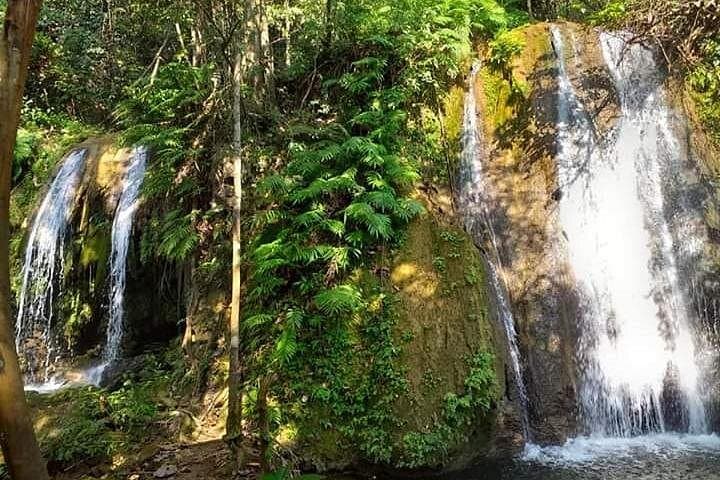
The trek weaves two powerful stories: the Bronze‑Age legacy of the Plain of Jars and the more recent scars of 20th‑century conflict. Site 52 — one of the largest jars fields near Phonsavan — is a stark, archaeological plain where weathered megaliths sit like oversized relics on grassland. Geologically, the area is a mix of weathered sandstone and limestone outcrops that channel seasonal streams and form small cascades such as Tad Kha.
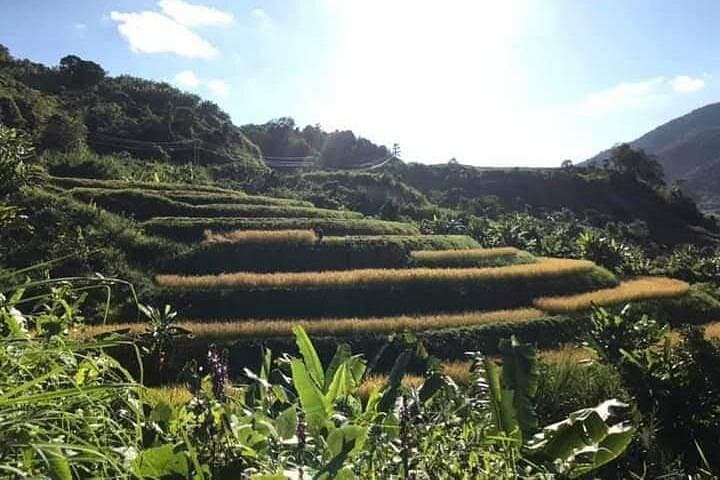
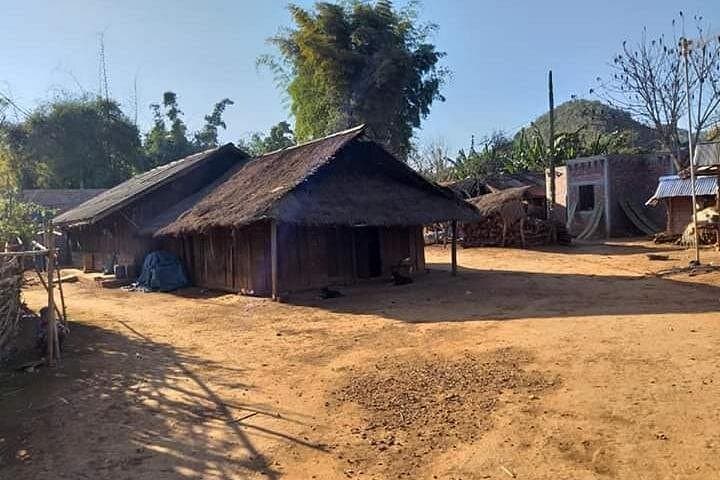
Culturally, the trail passes village gardens and rice paddies tended by local Lao and Hmong families; the overnight homestay is as much about shared meals and stories as it is about a roof and mattress. Expect roughly 10–15 km of walking spread across two days, with trail surfaces ranging from packed earth and farm tracks to steeper stone steps and muddy sections after rain — cumulative elevation gain can reach 600–900 m depending on route choices.
Practical notes: carry 2–3 liters of water, a waterproof layer, and sturdy boots; phone signal is intermittent and paths are only intermittently waymarked. Travel light, bring cash for village purchases, and leave the jars undisturbed. The Pakheo trek rewards steady pacing and curiosity — it’s equal parts archaeology, riverine forest, and village life.
The itinerary is rated physically hard; it suits experienced hikers comfortable with two days of sustained walking and some steep sections, and those who can carry a small overnight kit.
You stay overnight in a local village homestay with basic but clean sleeping arrangements, shared facilities, and home‑cooked Lao meals included on the tour.
There is no special permit for most jar sites, but some protected archaeological zones may charge small entrance fees or require a guide; your operator typically handles access to Site 52.
Dry season months (roughly November–April) offer cooler, more stable conditions; the wet season brings lush scenery but muddy trails and possible stream crossings.
Phonsavan-Laos-Tours operates guided outdoor trips and adventures with an emphasis on safety, stewardship, and memorable experiences.
You step out of Phonsavan before dawn; the town's flat roofs and market smoke give way to a landscape that alternates between grassy plateaus, low karst ridges and scattered villages. Footsteps crunch on dirt tracks while a distant river threads through the valley, daring you to follow toward a shaded waterfall and the hollow silhouettes of ancient stone jars.
You step out of Phonsavan before dawn; the town's flat roofs and market smoke give way to a landscape that alternates between grassy plateaus, low karst ridges and scattered villages. Footsteps crunch on dirt tracks while a distant river threads through the valley, daring you to follow toward a shaded waterfall and the hollow silhouettes of ancient stone jars.
The trek weaves two powerful stories: the Bronze‑Age legacy of the Plain of Jars and the more recent scars of 20th‑century conflict. Site 52 — one of the largest jars fields near Phonsavan — is a stark, archaeological plain where weathered megaliths sit like oversized relics on grassland. Geologically, the area is a mix of weathered sandstone and limestone outcrops that channel seasonal streams and form small cascades such as Tad Kha.
Culturally, the trail passes village gardens and rice paddies tended by local Lao and Hmong families; the overnight homestay is as much about shared meals and stories as it is about a roof and mattress. Expect roughly 10–15 km of walking spread across two days, with trail surfaces ranging from packed earth and farm tracks to steeper stone steps and muddy sections after rain — cumulative elevation gain can reach 600–900 m depending on route choices.
Practical notes: carry 2–3 liters of water, a waterproof layer, and sturdy boots; phone signal is intermittent and paths are only intermittently waymarked. Travel light, bring cash for village purchases, and leave the jars undisturbed. The Pakheo trek rewards steady pacing and curiosity — it’s equal parts archaeology, riverine forest, and village life.