THE ADVENTURE COLLECTIVE® · Independent discovery and booking for outdoor travel

Float above starfish-studded sandbars, peer into the cathedral walls of Palancar Reef, and drift through schools of snapper on this 4¼-hour Cozumel snorkeling excursion. Ideal for first-timers and seasoned snorkelers alike, the trip mixes glass-bottom viewing, guided reef swims, and on-board refreshments.
Float above starfish-studded sandbars, peer into the cathedral walls of Palancar Reef, and drift through schools of snapper on this 4¼-hour Cozumel snorkeling excursion. Ideal for first-timers and seasoned snorkelers alike, the trip mixes glass-bottom viewing, guided reef swims, and on-board refreshments.
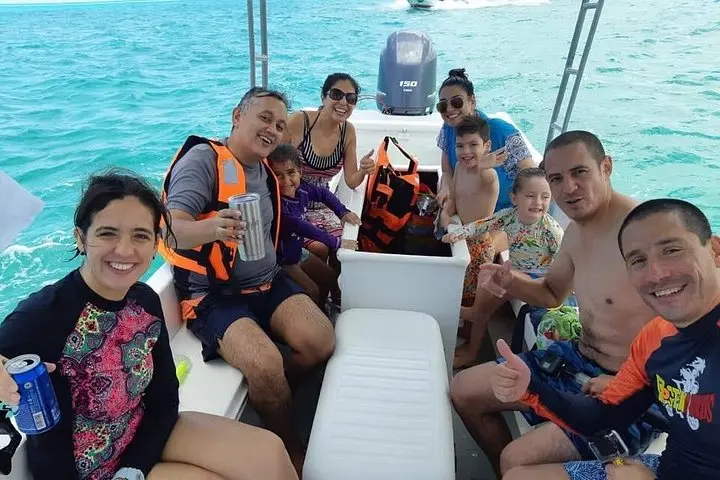
The boat pushes away from Marina Fonatur as sunlight sketches the water into moving coins. Salt and diesel mingle; laughter and the slap of waves set a steady rhythm. Within minutes the shoreline of San Miguel de Cozumel recedes and the reef shows itself as a dark, living horizon—an undersea architecture waiting for you to peer into it from a glass-bottom window or a mask.
Verified experiences and guided adventures in the surrounding area.
Operated by Cucurumbe Tours · San Miguel de Cozumel, Quintana Roo
The boat pushes away from Marina Fonatur as sunlight sketches the water into moving coins. Salt and diesel mingle; laughter and the slap of waves set a steady rhythm. Within minutes the shoreline of San Miguel de Cozumel recedes and the reef shows itself as a dark, living horizon—an undersea architecture waiting for you to peer into it from a glass-bottom window or a mask.
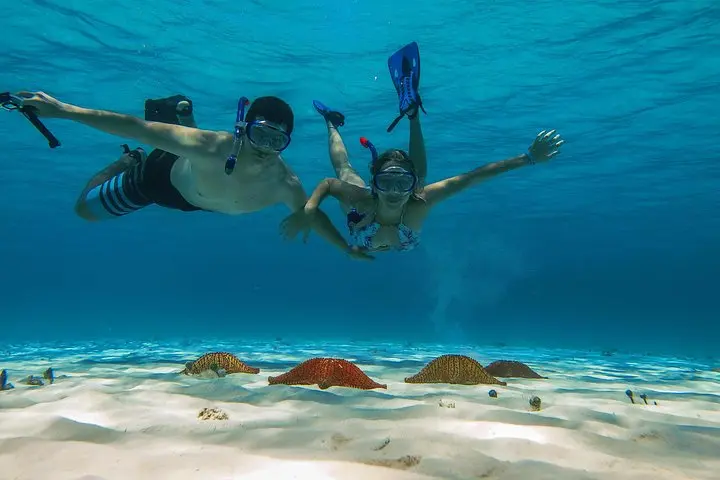
This is a day built around three very different marine moods. First stop: a sandbar at El Cielo, a shallow cathedral of seagrass where starfish cling to white sand and curious stingrays glide like living shadows. It’s a place with local legend—fishermen and guides say the sandbar shifts after hurricanes, a reminder the Caribbean continually remakes its edges.
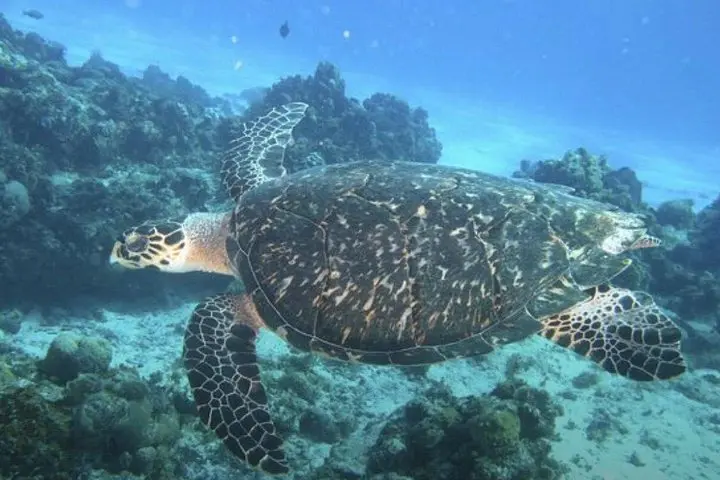
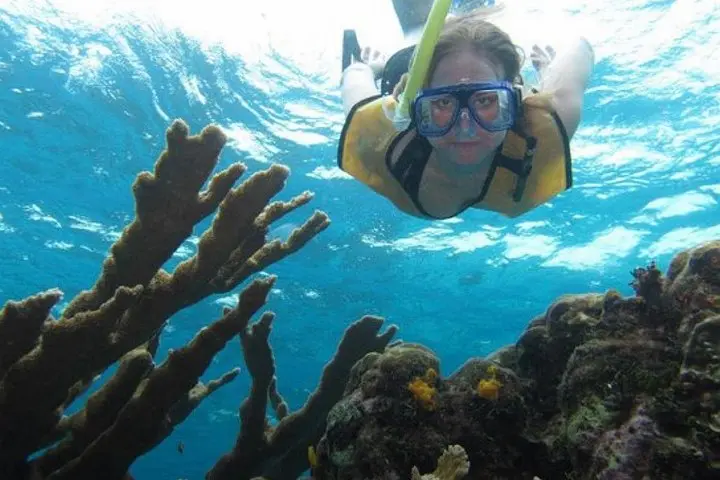
Then Palancar Reef: coral cliffs and swim-throughs where depth drops away into cobalt. Palancar’s limestone and coral forms are a record of currents and time—ancient reef growth stacked on volcanic substrate—hosting large groupers, parrotfish, and the occasional hawksbill turtle. The third stop, listed as Colombia on many itineraries, is another vibrant reef garden: dense corals, branching fire coral, and schools of snapper that swarm like silver clouds.
Beyond ecology, Cozumel carries Maya and maritime histories. The island was a navigational reference for coastal trade routes and later became a sponge-diving outpost before tourism reoriented its economy. Guides often weave these local threads into the trip, explaining reef names and pointing out how fishing laws and marine parks have changed what divers and snorkelers now see.
Practical side: the tour lasts about 4¼ hours, and operators provide snorkel gear, life vests, shaded seating and a small snack plus drinks. Beginners can be comfortable—the water at El Cielo is waist- to chest-deep, and guides stay close at the reef sites.
Prepare to move between sun and spray. Bring reef-safe sunscreen, a light rashguard, and a waterproof phone case if you want surface photos. If you’re prone to seasickness, take a patch or medication before boarding; rides to mid-island reefs can be choppy.
Timing matters: morning trips catch calmer seas and clearer water; afternoons often mean stronger current but warmer air. Respect the reef—no touching corals or feeding fish—and listen to guides who know where sensitive coral gardens and resting turtles congregate.
By the time the marina reappears, the day feels measured: a struck balance between brief, intense encounters with ocean life and slow hours on deck watching the horizon. It’s not a deep dive into marine biology—rather, it’s a practical, vivid introduction to Cozumel’s living reef system that rewards curiosity and a little preparedness.
About 4 hours and 15 minutes total, including three snorkeling stops and transit time from Marina Fonatur.
Yes—life vests are provided and guides stay close; El Cielo’s shallow sandbar is ideal for new snorkelers.
Basic swimming comfort is recommended; non-swimmers can still join using a life vest and staying near guides.
Yes—water, sodas, beers and a light snack are provided on board.
Turtles and stingrays are commonly sighted, especially at Palancar and the sandbar at El Cielo, but sightings can’t be guaranteed.
Meet at Marina Fonatur Cozumel (formerly Marina Asipon) near the ferry area; arrive 15 minutes before departure.
Cucurumbe Tours operates guided outdoor trips and adventures with an emphasis on safety, stewardship, and memorable experiences.
The boat pushes away from Marina Fonatur as sunlight sketches the water into moving coins. Salt and diesel mingle; laughter and the slap of waves set a steady rhythm. Within minutes the shoreline of San Miguel de Cozumel recedes and the reef shows itself as a dark, living horizon—an undersea architecture waiting for you to peer into it from a glass-bottom window or a mask.
The boat pushes away from Marina Fonatur as sunlight sketches the water into moving coins. Salt and diesel mingle; laughter and the slap of waves set a steady rhythm. Within minutes the shoreline of San Miguel de Cozumel recedes and the reef shows itself as a dark, living horizon—an undersea architecture waiting for you to peer into it from a glass-bottom window or a mask.
This is a day built around three very different marine moods. First stop: a sandbar at El Cielo, a shallow cathedral of seagrass where starfish cling to white sand and curious stingrays glide like living shadows. It’s a place with local legend—fishermen and guides say the sandbar shifts after hurricanes, a reminder the Caribbean continually remakes its edges.
Then Palancar Reef: coral cliffs and swim-throughs where depth drops away into cobalt. Palancar’s limestone and coral forms are a record of currents and time—ancient reef growth stacked on volcanic substrate—hosting large groupers, parrotfish, and the occasional hawksbill turtle. The third stop, listed as Colombia on many itineraries, is another vibrant reef garden: dense corals, branching fire coral, and schools of snapper that swarm like silver clouds.
Beyond ecology, Cozumel carries Maya and maritime histories. The island was a navigational reference for coastal trade routes and later became a sponge-diving outpost before tourism reoriented its economy. Guides often weave these local threads into the trip, explaining reef names and pointing out how fishing laws and marine parks have changed what divers and snorkelers now see.
Practical side: the tour lasts about 4¼ hours, and operators provide snorkel gear, life vests, shaded seating and a small snack plus drinks. Beginners can be comfortable—the water at El Cielo is waist- to chest-deep, and guides stay close at the reef sites.
Prepare to move between sun and spray. Bring reef-safe sunscreen, a light rashguard, and a waterproof phone case if you want surface photos. If you’re prone to seasickness, take a patch or medication before boarding; rides to mid-island reefs can be choppy.
Timing matters: morning trips catch calmer seas and clearer water; afternoons often mean stronger current but warmer air. Respect the reef—no touching corals or feeding fish—and listen to guides who know where sensitive coral gardens and resting turtles congregate.
By the time the marina reappears, the day feels measured: a struck balance between brief, intense encounters with ocean life and slow hours on deck watching the horizon. It’s not a deep dive into marine biology—rather, it’s a practical, vivid introduction to Cozumel’s living reef system that rewards curiosity and a little preparedness.