THE ADVENTURE COLLECTIVE® · Independent discovery and booking for outdoor travel

See Palcoyo’s dramatic mineral bands and walk the ancient Q’eswachaka rope bridge in a single day from Cusco. This full-day tour combines accessible high‑altitude hikes with an up‑close cultural encounter.
See Palcoyo’s dramatic mineral bands and walk the ancient Q’eswachaka rope bridge in a single day from Cusco. This full-day tour combines accessible high‑altitude hikes with an up‑close cultural encounter.
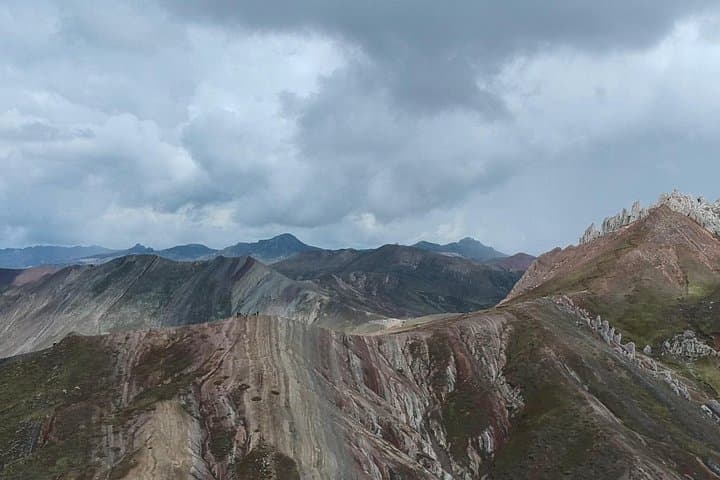
At first light the minivan peels away from Cusco and climbs into the high puna, a cold wind pushing across the window as the road climbs toward broad, banded slopes. Palcoyo's stripe-like ridgelines appear suddenly—curves of rust, ochre and green that feel deliberate, like geological brushstrokes stretched across a silent plateau.
Verified experiences and guided adventures in the surrounding area.
Operated by DASPE TRAVEL · Cusco, Cusco
At first light the minivan peels away from Cusco and climbs into the high puna, a cold wind pushing across the window as the road climbs toward broad, banded slopes. Palcoyo's stripe-like ridgelines appear suddenly—curves of rust, ochre and green that feel deliberate, like geological brushstrokes stretched across a silent plateau.
The colors are not magic but minerals: iron oxides, goethite and chlorite layered and exposed by erosion across marine sediments uplifted by the Andes. Nearby, the Q’eswachaka bridge folds human history into the landscape. The rope bridge—woven from ichu grass—has been reconstructed by Quechua-speaking communities for generations and is listed as part of Peru’s world heritage traditions; walking across it puts you literally on a living piece of Inca engineering.
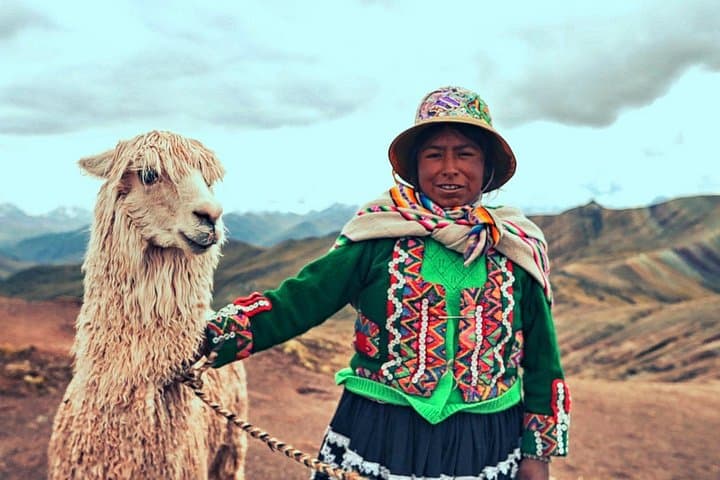
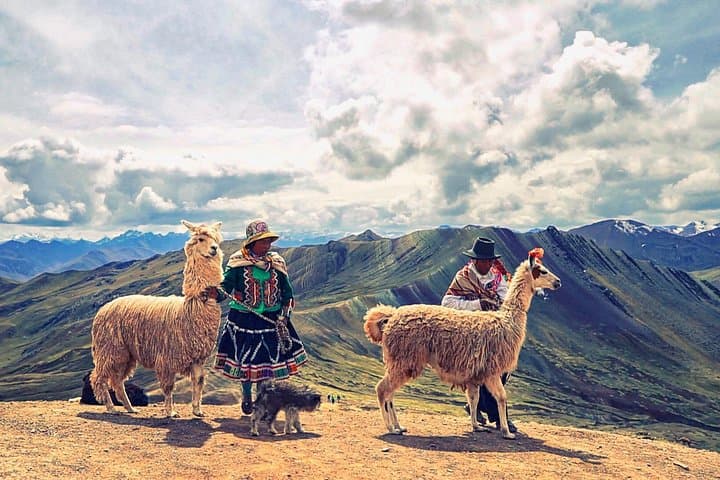
Culturally, the day pairs visual geology with hands-on craft: small communities maintain bridge craft and textile techniques; guides will often point out local weaving patterns and the communal work that still fuels the repair ceremony each year.
Practical guidance: expect high altitude—bring layers, sunscreen and water, and move at a steady pace. Palcoyo offers shorter, gentler viewpoints than Vinicunca but still involves walks on uneven puna terrain at 4,000+ meters. The Q’eswachaka crossing is secure for tourists under guide supervision but can sway; sandals are not recommended. Aim to acclimatize in Cusco for 24–48 hours before the full-day tour, and carry small change for local purchases and tips. Timing your visit during the dry season reduces mud and improves visibility.
Walks at Palcoyo are typically short loops to viewpoints—plan for 30–90 minutes on uneven terrain depending on how far you explore.
Yes—when rebuilt and supervised by local communities it is safe for guided crossings; follow staff instructions and avoid overcrowding the bridge.
Yes—Palcoyo and the bridge sit above 3,800–4,000 m; acclimatize in Cusco, hydrate, rest if you feel unwell, and consider medication if prone to AMS.
Basic facilities and local vendors may be available near community sites; bring toilet paper, snacks, and cash for purchases.
DASPE TRAVEL operates guided outdoor trips and adventures with an emphasis on safety, stewardship, and memorable experiences.

At first light the minivan peels away from Cusco and climbs into the high puna, a cold wind pushing across the window as the road climbs toward broad, banded slopes. Palcoyo's stripe-like ridgelines appear suddenly—curves of rust, ochre and green that feel deliberate, like geological brushstrokes stretched across a silent plateau.
At first light the minivan peels away from Cusco and climbs into the high puna, a cold wind pushing across the window as the road climbs toward broad, banded slopes. Palcoyo's stripe-like ridgelines appear suddenly—curves of rust, ochre and green that feel deliberate, like geological brushstrokes stretched across a silent plateau.
The colors are not magic but minerals: iron oxides, goethite and chlorite layered and exposed by erosion across marine sediments uplifted by the Andes. Nearby, the Q’eswachaka bridge folds human history into the landscape. The rope bridge—woven from ichu grass—has been reconstructed by Quechua-speaking communities for generations and is listed as part of Peru’s world heritage traditions; walking across it puts you literally on a living piece of Inca engineering.
Culturally, the day pairs visual geology with hands-on craft: small communities maintain bridge craft and textile techniques; guides will often point out local weaving patterns and the communal work that still fuels the repair ceremony each year.
Practical guidance: expect high altitude—bring layers, sunscreen and water, and move at a steady pace. Palcoyo offers shorter, gentler viewpoints than Vinicunca but still involves walks on uneven puna terrain at 4,000+ meters. The Q’eswachaka crossing is secure for tourists under guide supervision but can sway; sandals are not recommended. Aim to acclimatize in Cusco for 24–48 hours before the full-day tour, and carry small change for local purchases and tips. Timing your visit during the dry season reduces mud and improves visibility.