THE ADVENTURE COLLECTIVE® · Independent discovery and booking for outdoor travel

Spend a day in Palenque de San Basilio, the only surviving palenque founded by escaped enslaved people in the 17th century. This ethnotourism experience combines live music, language immersion, and guided cultural interpretation in the Montes de María.
Spend a day in Palenque de San Basilio, the only surviving palenque founded by escaped enslaved people in the 17th century. This ethnotourism experience combines live music, language immersion, and guided cultural interpretation in the Montes de María.
You arrive by road as the low hips of the Montes de María come into focus, the landscape shifting from coastal scrub to the ochre and green of cultivated slopes. Houses in bright paint cluster on short ridgelines; drums and voices carry on the humid air. The village of Palenque de San Basilio holds a visible rhythm — food stalls, elders on benches, and children racing along packed-earth lanes.
Verified experiences and guided adventures in the surrounding area.
Operated by Ecoturismo Los pinos · Palenque de San Basilio, Bolívar
You arrive by road as the low hips of the Montes de María come into focus, the landscape shifting from coastal scrub to the ochre and green of cultivated slopes. Houses in bright paint cluster on short ridgelines; drums and voices carry on the humid air. The village of Palenque de San Basilio holds a visible rhythm — food stalls, elders on benches, and children racing along packed-earth lanes.
This community grew from 17th-century palenques: fortified refuges founded by escaped enslaved Africans. Palenque de San Basilio is the only one to persist intact, preserving a Creole language (Palenquera) with Spanish vocabulary and Bantu grammar, and musical forms like son palenquero and “son de negro.” Geologically the site sits on the foothills of Montes de María, where eroded schists and clay soils support dry tropical forests and farmland; culturally, social life is organized around kuagros, age-group networks that structure responsibility and ritual.
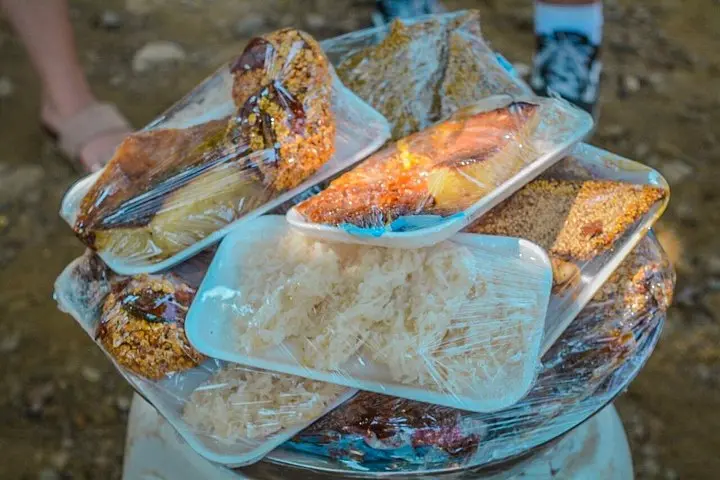
On a guided ethnotour, expect walking on uneven village tracks, demonstrations of marimba-driven music, visits with local artisans, and a community-prepared lunch. The tour balances historical interpretation with living culture: funerary rites, medicinal practices, and language use are explained with local voices.
Practical notes: bring sun protection, insect repellent, and sturdy shoes for mud and slopes; carry cash for souvenirs; be prepared to follow cultural protocols and ask before photographing. The tour lasts roughly seven hours with moderate walking — rewarding for travelers who want direct cultural exchange and an immersive look at one of the Americas’ most important living Afro-descendant communities.
The tour is about seven hours and typically includes transport from Cartagena (if arranged), guided visits in the village, a music demonstration, meetings with local artisans, and a community-prepared lunch.
Children can participate (stroller-accessible in parts), but the tour requires moderate walking on uneven ground and is not recommended for travelers with significant spinal or cardiovascular issues.
Yes — the tour emphasizes living culture, including demonstrations of son palenquero, marimba music, and examples of the Palenquera language in everyday use.
Show respect: ask before photographing, follow your guide’s directions, accept invitations politely, and purchase directly from local vendors when possible to support the community.
Ecoturismo Los pinos operates guided outdoor trips and adventures with an emphasis on safety, stewardship, and memorable experiences.
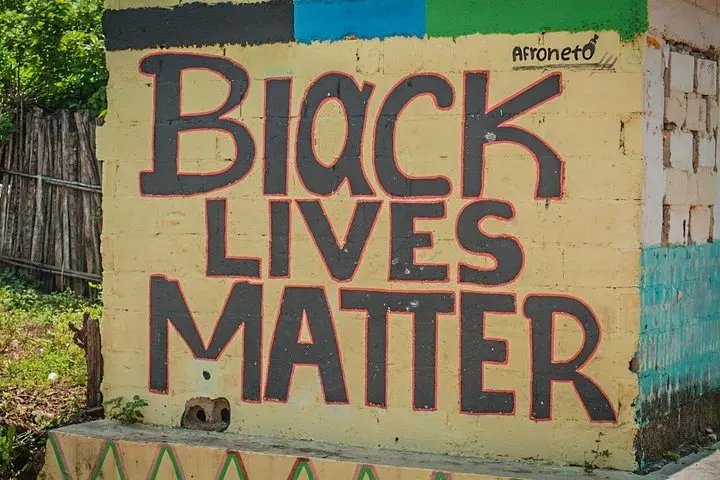
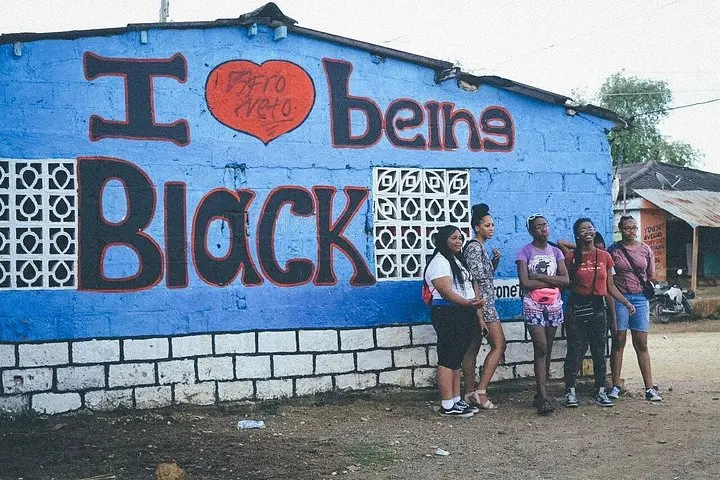
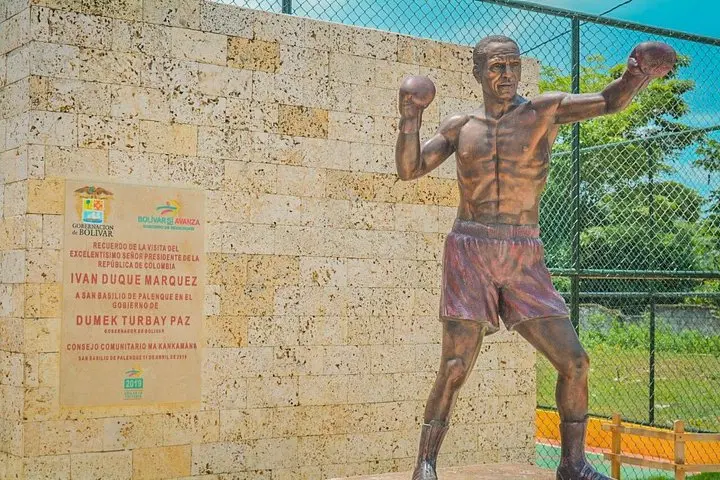
You arrive by road as the low hips of the Montes de María come into focus, the landscape shifting from coastal scrub to the ochre and green of cultivated slopes. Houses in bright paint cluster on short ridgelines; drums and voices carry on the humid air. The village of Palenque de San Basilio holds a visible rhythm — food stalls, elders on benches, and children racing along packed-earth lanes.
You arrive by road as the low hips of the Montes de María come into focus, the landscape shifting from coastal scrub to the ochre and green of cultivated slopes. Houses in bright paint cluster on short ridgelines; drums and voices carry on the humid air. The village of Palenque de San Basilio holds a visible rhythm — food stalls, elders on benches, and children racing along packed-earth lanes.
This community grew from 17th-century palenques: fortified refuges founded by escaped enslaved Africans. Palenque de San Basilio is the only one to persist intact, preserving a Creole language (Palenquera) with Spanish vocabulary and Bantu grammar, and musical forms like son palenquero and “son de negro.” Geologically the site sits on the foothills of Montes de María, where eroded schists and clay soils support dry tropical forests and farmland; culturally, social life is organized around kuagros, age-group networks that structure responsibility and ritual.
On a guided ethnotour, expect walking on uneven village tracks, demonstrations of marimba-driven music, visits with local artisans, and a community-prepared lunch. The tour balances historical interpretation with living culture: funerary rites, medicinal practices, and language use are explained with local voices.
Practical notes: bring sun protection, insect repellent, and sturdy shoes for mud and slopes; carry cash for souvenirs; be prepared to follow cultural protocols and ask before photographing. The tour lasts roughly seven hours with moderate walking — rewarding for travelers who want direct cultural exchange and an immersive look at one of the Americas’ most important living Afro-descendant communities.