THE ADVENTURE COLLECTIVE® · Independent discovery and booking for outdoor travel

Explore Palenque’s imposing ruins, swim at Misol Ha and Agua Azul, then ride to San Cristóbal de las Casas—all in a single, full day. This practical guide covers what to expect on terrain, weather, and logistics so you can focus on the sights and stay safe.
Explore Palenque’s imposing ruins, swim at Misol Ha and Agua Azul, then ride to San Cristóbal de las Casas—all in a single, full day. This practical guide covers what to expect on terrain, weather, and logistics so you can focus on the sights and stay safe.
The day begins with the jungle inhaling mist and exhaling birdsong as the group moves through the wide stone plazas of Palenque. Ancient courses of carved limestone lead the way between shaded courtyards and pyramidal roofs; sunlight slices through the canopy and lands on glyphs that have watched the rainforest change for centuries.
Verified experiences and guided adventures in the surrounding area.
Operated by Servicios Turisticos Diamart · Palenque, Chiapas
The day begins with the jungle inhaling mist and exhaling birdsong as the group moves through the wide stone plazas of Palenque. Ancient courses of carved limestone lead the way between shaded courtyards and pyramidal roofs; sunlight slices through the canopy and lands on glyphs that have watched the rainforest change for centuries.
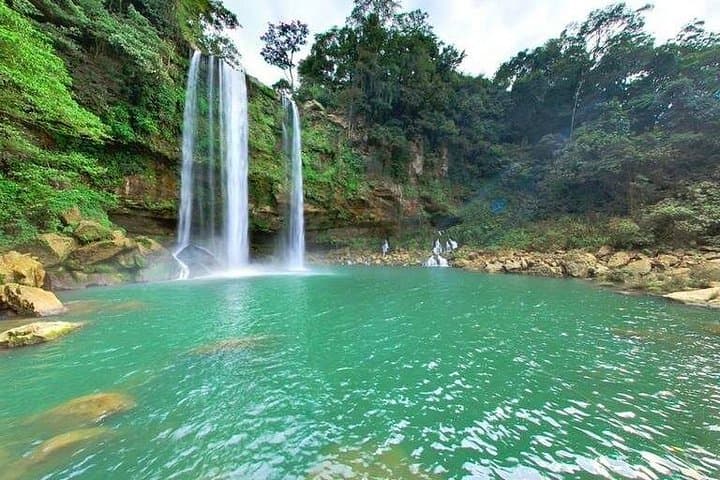
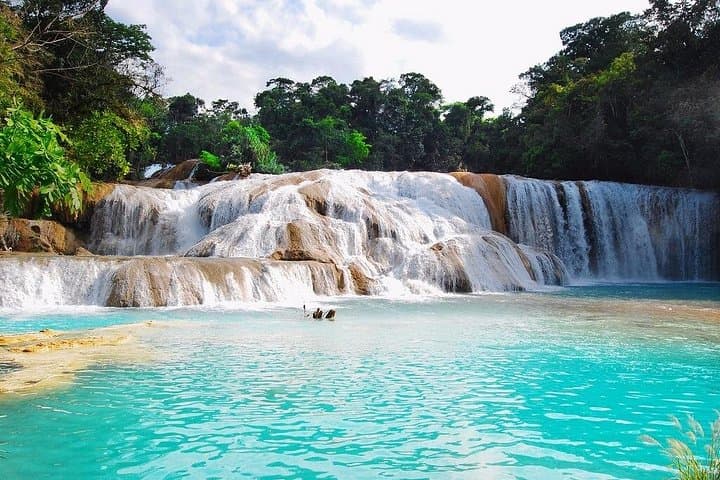
Palenque was a major Maya city-state in the 7th and 8th centuries CE, its red-stained stucco and carved reliefs standing over karstic bedrock shaped by millennia of runoff. The route continues downstream: Misol Ha drops in a single curtain, a living wall of water daring visitors to step closer, while Agua Azul cascades over stepped limestone terraces, pools turning an iridescent blue where dissolved minerals concentrate.
Culturally, the ride between sites threads through small Chiapan towns where Maya and mestizo markets offer tamales and handwoven cloth. The geology here — porous limestone and underground streams — produces the falls and the quick drains that shape the trail surfaces.
Practical guidance: expect a long, full day with significant vehicle time; bring drinking water, insect repellent and swimwear if you plan to enter permitted pools. Trails around the archaeological zone are uneven and damp; wear grippy shoes. Photography windows are best early at Palenque to avoid tour-bus clusters. Respect posted signs around falls — currents and submerged rocks change with the season. The tour finishes with a midday or evening transfer to San Cristóbal de las Casas, giving travelers a final stretch of rural Chiapas scenery as the road climbs into cloud forest.
Yes—this tour includes entrance fees to the Palenque archaeological zone and the two waterfall parks as listed in the inclusions.
Swimming is allowed in designated areas at some waterfalls but not all; follow park signage and guides’ instructions due to variable currents and submerged hazards.
The transfer from Palenque to San Cristóbal takes several hours on mountain roads—expect a late afternoon or evening arrival depending on stops and traffic.
Not ideal for guests with serious mobility limits; children can join but parents should supervise near water and uneven trails—the operator notes stroller access but some walking is required.
Servicios Turisticos Diamart operates guided outdoor trips and adventures with an emphasis on safety, stewardship, and memorable experiences.
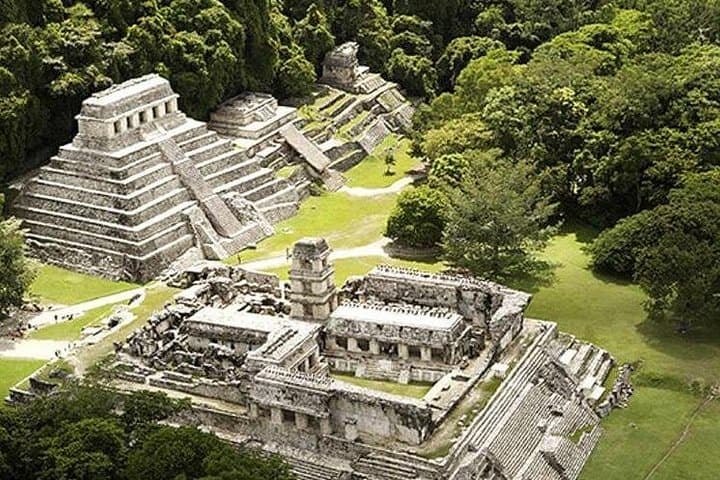
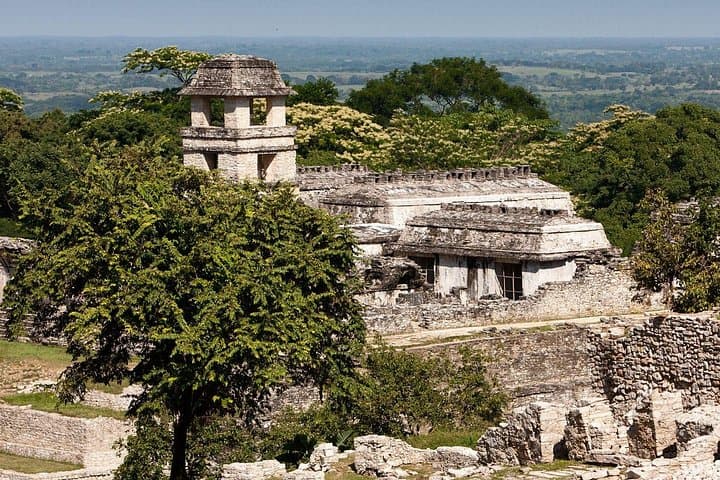
The day begins with the jungle inhaling mist and exhaling birdsong as the group moves through the wide stone plazas of Palenque. Ancient courses of carved limestone lead the way between shaded courtyards and pyramidal roofs; sunlight slices through the canopy and lands on glyphs that have watched the rainforest change for centuries.
The day begins with the jungle inhaling mist and exhaling birdsong as the group moves through the wide stone plazas of Palenque. Ancient courses of carved limestone lead the way between shaded courtyards and pyramidal roofs; sunlight slices through the canopy and lands on glyphs that have watched the rainforest change for centuries.
Palenque was a major Maya city-state in the 7th and 8th centuries CE, its red-stained stucco and carved reliefs standing over karstic bedrock shaped by millennia of runoff. The route continues downstream: Misol Ha drops in a single curtain, a living wall of water daring visitors to step closer, while Agua Azul cascades over stepped limestone terraces, pools turning an iridescent blue where dissolved minerals concentrate.
Culturally, the ride between sites threads through small Chiapan towns where Maya and mestizo markets offer tamales and handwoven cloth. The geology here — porous limestone and underground streams — produces the falls and the quick drains that shape the trail surfaces.
Practical guidance: expect a long, full day with significant vehicle time; bring drinking water, insect repellent and swimwear if you plan to enter permitted pools. Trails around the archaeological zone are uneven and damp; wear grippy shoes. Photography windows are best early at Palenque to avoid tour-bus clusters. Respect posted signs around falls — currents and submerged rocks change with the season. The tour finishes with a midday or evening transfer to San Cristóbal de las Casas, giving travelers a final stretch of rural Chiapas scenery as the road climbs into cloud forest.