THE ADVENTURE COLLECTIVE® · Independent discovery and booking for outdoor travel

Trace Palermo’s layered past from Teatro Massimo through crowded markets to the gilded Cappella Palatina. This three-hour guided walk combines UNESCO sites and neighborhood color with practical stops to rest and refuel.
Trace Palermo’s layered past from Teatro Massimo through crowded markets to the gilded Cappella Palatina. This three-hour guided walk combines UNESCO sites and neighborhood color with practical stops to rest and refuel.
The city opens around Teatro Massimo like a theater set: sun-bleached stone steps, vendors arranging citrus and fish, and alleys that funnel you toward a cathedral domed in sunlight. Starting in front of the opera house, the walk threads through open-air markets where the air dares you to slow down and sample Sicilian life.
Verified experiences and guided adventures in the surrounding area.
Operated by Palermo Wonders · Palermo, Sicily
The city opens around Teatro Massimo like a theater set: sun-bleached stone steps, vendors arranging citrus and fish, and alleys that funnel you toward a cathedral domed in sunlight. Starting in front of the opera house, the walk threads through open-air markets where the air dares you to slow down and sample Sicilian life.
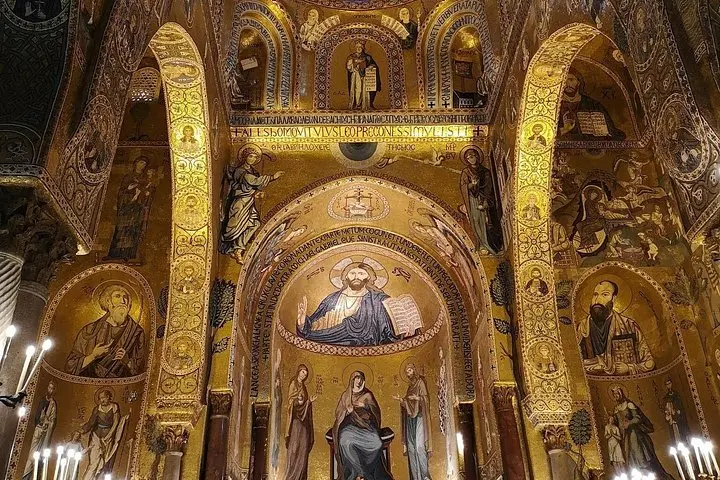
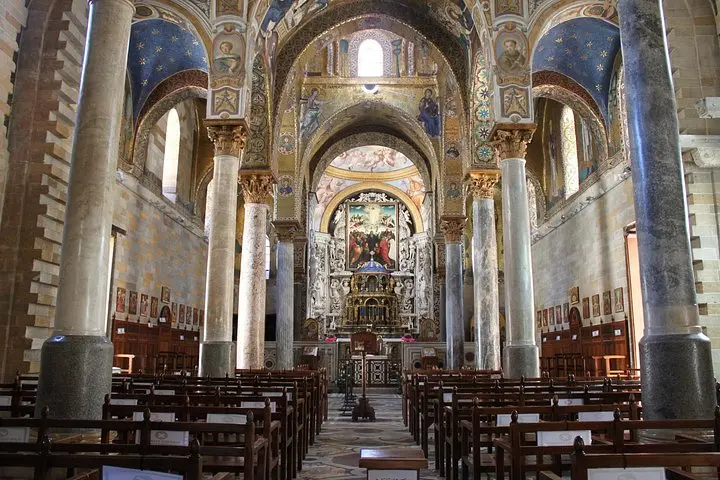
Palermo’s center is a layered archive — Phoenician docks, Greek and Roman streets, Arab engineering, and Norman palaces. The Cappella Palatina and the Royal Palace are highlights of the Arab-Norman era; their mosaics and timber ceilings reveal the island’s medieval cultural fusion. Geologically, Palermo sits on a coastal plain backed by the Palermo hills; streets slope gently from inland neighborhoods to the harbor, with volcanic and sedimentary stone underfoot.
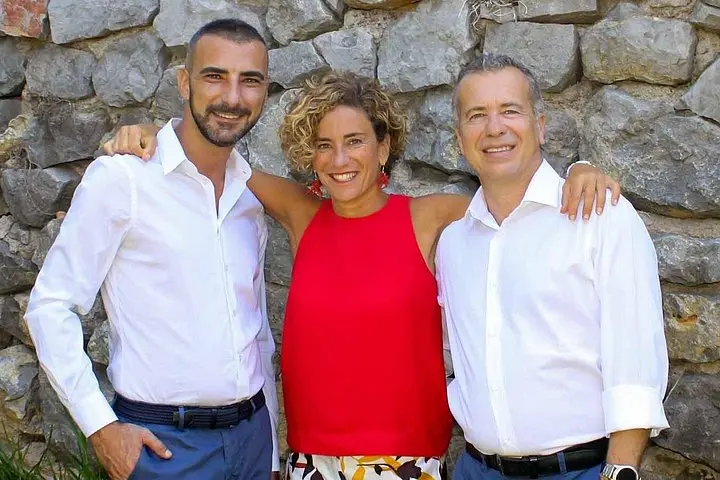
Local culture shows in quick exchanges at market stalls, in cafés pouring espresso, and in the baroque churches that compete for attention with street vendors. Guides from small family-run operations often weave personal stories about the city’s markets and neighborhoods into the route.
Practical guidance: plan three hours for a focused walk with short museum stops (Cappella Palatina and Cathedral visits often require timed tickets). Comfortable, broken-in shoes matter more than style — cobbles and occasional steps are constant. Bring a small day pack, water, and a phone battery pack; summer sun is strong, and narrow lanes offer little shade. Keep valuables secured and stay with your guide in busy markets. If you want museum entry, reserve or confirm inclusion before arrival to avoid queues or sold-out time slots.
The standard meeting point is in front of Teatro Massimo; the guide can start at a central hotel in the historic center if agreed after booking.
Visits can be optional; confirm with the operator whether admission is included or payable on site and whether timed tickets are reserved in advance.
Some central streets and squares are accessible, but cobblestones and steps at certain sites mean full accessibility varies—ask the operator for route adjustments.
Guides are available in English, German, Spanish and Italian according to the listing; request your preferred language when booking.
Palermo Wonders operates guided outdoor trips and adventures with an emphasis on safety, stewardship, and memorable experiences.
The city opens around Teatro Massimo like a theater set: sun-bleached stone steps, vendors arranging citrus and fish, and alleys that funnel you toward a cathedral domed in sunlight. Starting in front of the opera house, the walk threads through open-air markets where the air dares you to slow down and sample Sicilian life.
The city opens around Teatro Massimo like a theater set: sun-bleached stone steps, vendors arranging citrus and fish, and alleys that funnel you toward a cathedral domed in sunlight. Starting in front of the opera house, the walk threads through open-air markets where the air dares you to slow down and sample Sicilian life.
Palermo’s center is a layered archive — Phoenician docks, Greek and Roman streets, Arab engineering, and Norman palaces. The Cappella Palatina and the Royal Palace are highlights of the Arab-Norman era; their mosaics and timber ceilings reveal the island’s medieval cultural fusion. Geologically, Palermo sits on a coastal plain backed by the Palermo hills; streets slope gently from inland neighborhoods to the harbor, with volcanic and sedimentary stone underfoot.
Local culture shows in quick exchanges at market stalls, in cafés pouring espresso, and in the baroque churches that compete for attention with street vendors. Guides from small family-run operations often weave personal stories about the city’s markets and neighborhoods into the route.
Practical guidance: plan three hours for a focused walk with short museum stops (Cappella Palatina and Cathedral visits often require timed tickets). Comfortable, broken-in shoes matter more than style — cobbles and occasional steps are constant. Bring a small day pack, water, and a phone battery pack; summer sun is strong, and narrow lanes offer little shade. Keep valuables secured and stay with your guide in busy markets. If you want museum entry, reserve or confirm inclusion before arrival to avoid queues or sold-out time slots.