THE ADVENTURE COLLECTIVE® · Independent discovery and booking for outdoor travel

Explore Palermo’s historic heart on a guided three-hour walk from Via Ruggiero Settimo to Capo Market. See the cathedral, Teatro Massimo and Quattro Canti while sampling street food and learning how centuries of cultures shaped the city.
Explore Palermo’s historic heart on a guided three-hour walk from Via Ruggiero Settimo to Capo Market. See the cathedral, Teatro Massimo and Quattro Canti while sampling street food and learning how centuries of cultures shaped the city.
You step out from Via Ruggiero Settimo into a street that hums with espresso machines and quick conversations, the guide folding a map into the rhythm of the city. The first sight is Palermo Cathedral: timeworn stone that holds Norman arches and Arabic mosaics, sunlight striking its crenellations as gulls wheel overhead.
Verified experiences and guided adventures in the surrounding area.
Operated by Guydeez · Palermo, Sicily
You step out from Via Ruggiero Settimo into a street that hums with espresso machines and quick conversations, the guide folding a map into the rhythm of the city. The first sight is Palermo Cathedral: timeworn stone that holds Norman arches and Arabic mosaics, sunlight striking its crenellations as gulls wheel overhead.
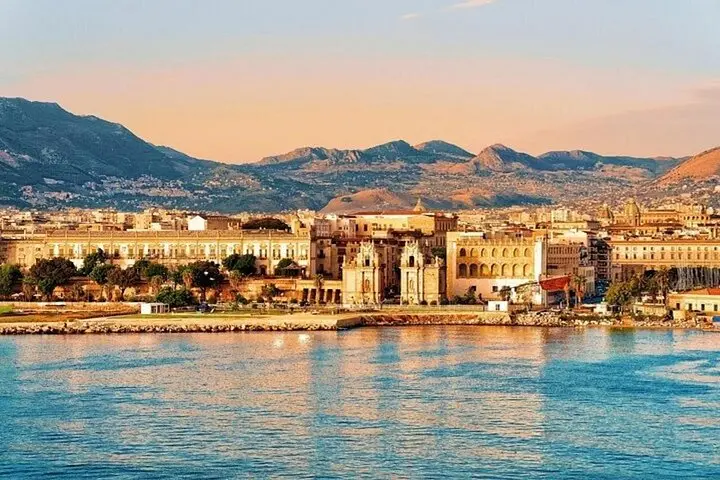
This three-hour walk threads together Palermo’s layered past — Phoenician ports, Byzantine mosaics, Arab craftsmen and Norman kings — visible in the crenellated rooftops and asymmetrical facades. The route crosses Quattro Canti’s compact baroque geometry, sweeps past Teatro Massimo’s neoclassical face, and slows at Fontana Pretoria where Renaissance sculpture seems almost to argue with the street noise.
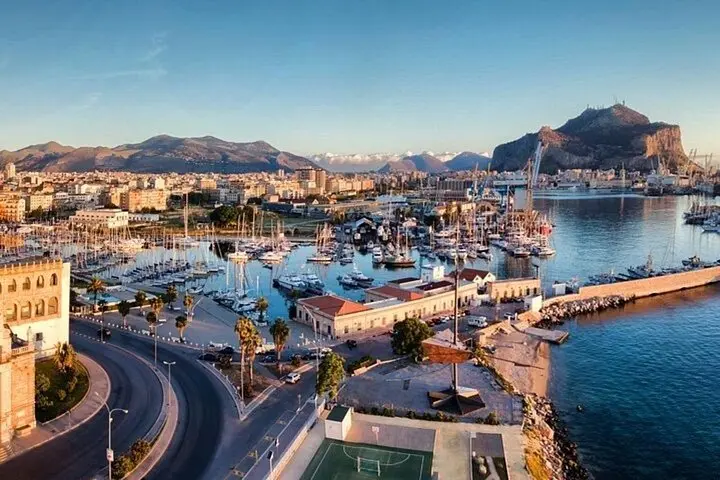
Geology and place show themselves in pale limestone, volcanic sandstones, and the low rise of Mount Pellegrino framing the city to the northeast. Culture is tactile in the markets: Capo Market pulses with citrus aromas, fried arancini and the cadence of vendors calling prices. Expect crowds, quick changes in weather, and urban wildlife — stray cats and seagulls asserting their territory.
Practical guidance: wear broken-in walking shoes and bring a small water bottle; many monuments allow exterior visits only unless you prebook. Mornings are cooler and less crowded; midday can be hot in summer. The tour is wheelchair-accessible on main streets but inside-monument access may be limited. Carry small change for street snacks, and leave time afterward to explore a side alley or a quiet church — Palermo rewards curiosity as much as planning.
This tour visits exteriors and public areas; monument admissions are typically not included unless specified—your guide can assist with ticket booking.
Main streets on the route are wheelchair-accessible, but access inside certain monuments may be limited—contact the operator if you need full accessibility details.
Guides are available in English, Spanish, French and Italian; private or small-group options allow for language customization.
Bring small change, an appetite for street food, and a small bag for purchases; peak market energy is mid-morning to early afternoon.
Guydeez operates guided outdoor trips and adventures with an emphasis on safety, stewardship, and memorable experiences.
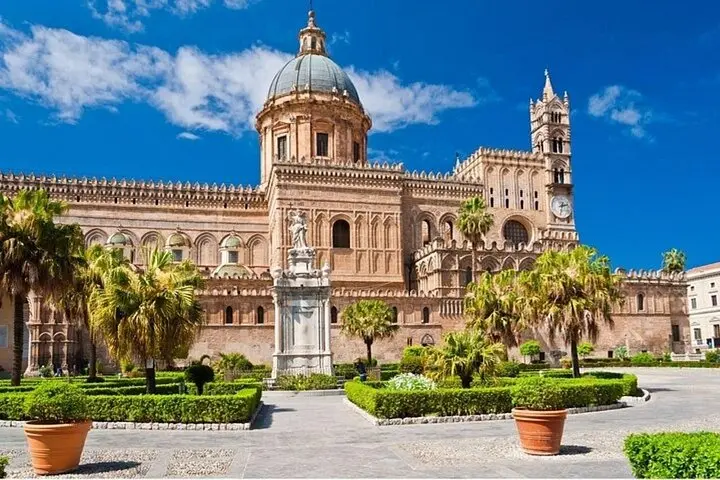
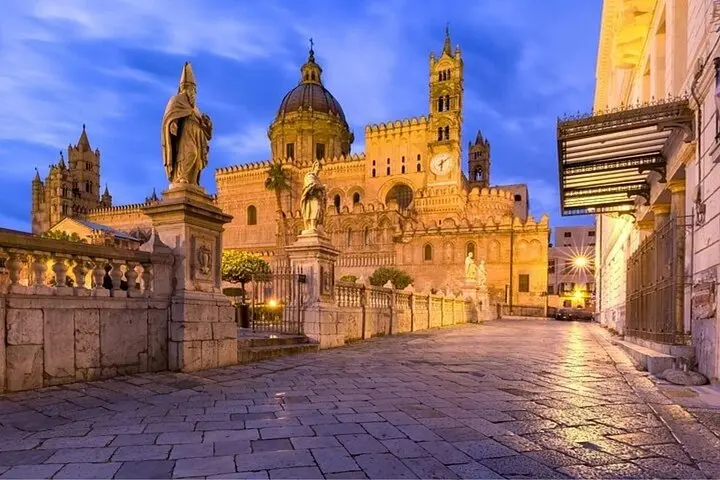
You step out from Via Ruggiero Settimo into a street that hums with espresso machines and quick conversations, the guide folding a map into the rhythm of the city. The first sight is Palermo Cathedral: timeworn stone that holds Norman arches and Arabic mosaics, sunlight striking its crenellations as gulls wheel overhead.
You step out from Via Ruggiero Settimo into a street that hums with espresso machines and quick conversations, the guide folding a map into the rhythm of the city. The first sight is Palermo Cathedral: timeworn stone that holds Norman arches and Arabic mosaics, sunlight striking its crenellations as gulls wheel overhead.
This three-hour walk threads together Palermo’s layered past — Phoenician ports, Byzantine mosaics, Arab craftsmen and Norman kings — visible in the crenellated rooftops and asymmetrical facades. The route crosses Quattro Canti’s compact baroque geometry, sweeps past Teatro Massimo’s neoclassical face, and slows at Fontana Pretoria where Renaissance sculpture seems almost to argue with the street noise.
Geology and place show themselves in pale limestone, volcanic sandstones, and the low rise of Mount Pellegrino framing the city to the northeast. Culture is tactile in the markets: Capo Market pulses with citrus aromas, fried arancini and the cadence of vendors calling prices. Expect crowds, quick changes in weather, and urban wildlife — stray cats and seagulls asserting their territory.
Practical guidance: wear broken-in walking shoes and bring a small water bottle; many monuments allow exterior visits only unless you prebook. Mornings are cooler and less crowded; midday can be hot in summer. The tour is wheelchair-accessible on main streets but inside-monument access may be limited. Carry small change for street snacks, and leave time afterward to explore a side alley or a quiet church — Palermo rewards curiosity as much as planning.