THE ADVENTURE COLLECTIVE® · Independent discovery and booking for outdoor travel

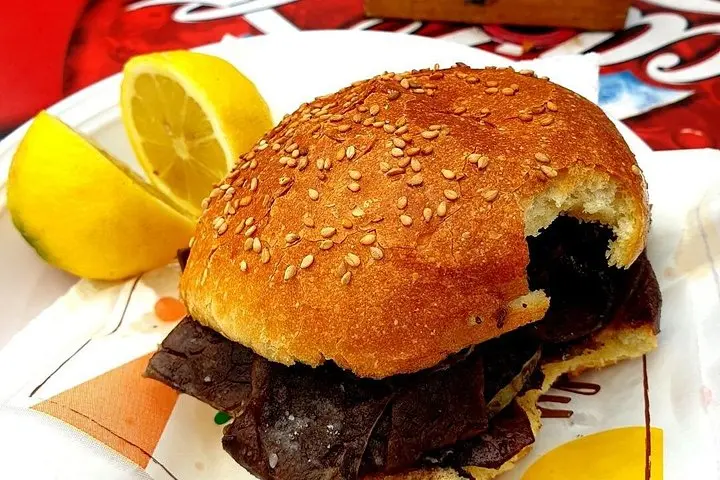
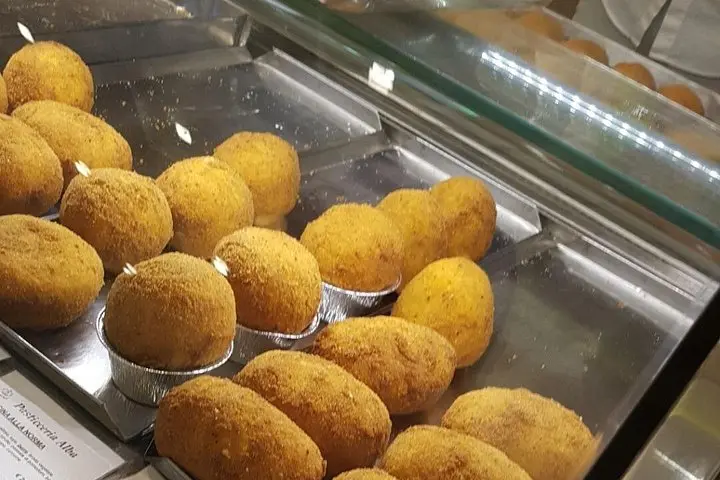
Walk Palermo’s Ballarò and Capo markets with a local guide: taste sfincione, arancine and panelle while hearing stories of trade, faith, and daily life that shaped Sicilian street food.
Walk Palermo’s Ballarò and Capo markets with a local guide: taste sfincione, arancine and panelle while hearing stories of trade, faith, and daily life that shaped Sicilian street food.
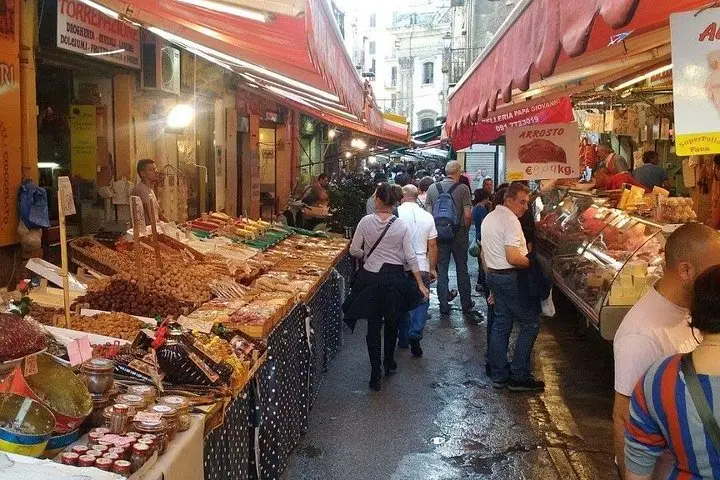
You step out of Teatro Massimo into a street that hums — vendors calling, the Mediterranean breeze pushing citrus scent and frying oil into the square, and the city itself seeming to watch as you thread through stalls.
Verified experiences and guided adventures in the surrounding area.
Operated by Barbara Tour Guide · Palermo, Sicily
You step out of Teatro Massimo into a street that hums — vendors calling, the Mediterranean breeze pushing citrus scent and frying oil into the square, and the city itself seeming to watch as you thread through stalls.
This markets walking tour moves through Palermo’s most storied bazaars — Ballarò and Il Capo — where layers of history are readable in flavor: Arab-Norman trade routes brought spices, Spanish rule introduced fried snacks, and Sicilian peasant traditions shaped today’s street cuisine. The route also passes the cloistered Convent of Santa Caterina, a Baroque jewel whose tile and marble record centuries of local craft.
Geology and setting matter here: Palermo sits on a coastal plain beneath Monte Pellegrino, where limestone and coastal winds influence produce and the seafood that turns up at market counters. The markets are social infrastructure as much as food halls — a place for neighbors to trade news, for artisans to test a new recipe, for children to learn family memory through bites.
Expect 2–3 hours of walking at an easy pace, tasting sfincione, arancine, panelle and cannoli, and stopping at a mix of covered alleys and sunlit squares. Start mid-morning to catch the freshest fried goods and the liveliest sellers. Bring comfortable shoes, small bills for single-portion purchases, and a reusable water bottle — the city can be hot and crowded. If you want quieter photography, arrive at the market opening and be ready for fast-moving stalls; the guide will point out history, etiquette, and what to order. This is a sensory, urban adventure that pairs food with civic history — direct, flavorful, and immediately local.
The meeting point is Verdi Square (Teatro Massimo) and the tour finishes at the same location, making it easy to continue exploring on-foot.
Yes — tastings include classic street items like arancine, panelle, sfincione and often a sample at the Convent of Santa Caterina; portions are small for sampling.
The tour is rated ‘physical easy’ and suitable for most people, but participants with limited mobility should note there is standing and short walking on uneven pavements.
Yes — the guide asks about allergies or dietary needs in advance and will adjust stops when possible; communicate restrictions during booking.
Barbara Tour Guide operates guided outdoor trips and adventures with an emphasis on safety, stewardship, and memorable experiences.
You step out of Teatro Massimo into a street that hums — vendors calling, the Mediterranean breeze pushing citrus scent and frying oil into the square, and the city itself seeming to watch as you thread through stalls.
You step out of Teatro Massimo into a street that hums — vendors calling, the Mediterranean breeze pushing citrus scent and frying oil into the square, and the city itself seeming to watch as you thread through stalls.
This markets walking tour moves through Palermo’s most storied bazaars — Ballarò and Il Capo — where layers of history are readable in flavor: Arab-Norman trade routes brought spices, Spanish rule introduced fried snacks, and Sicilian peasant traditions shaped today’s street cuisine. The route also passes the cloistered Convent of Santa Caterina, a Baroque jewel whose tile and marble record centuries of local craft.
Geology and setting matter here: Palermo sits on a coastal plain beneath Monte Pellegrino, where limestone and coastal winds influence produce and the seafood that turns up at market counters. The markets are social infrastructure as much as food halls — a place for neighbors to trade news, for artisans to test a new recipe, for children to learn family memory through bites.
Expect 2–3 hours of walking at an easy pace, tasting sfincione, arancine, panelle and cannoli, and stopping at a mix of covered alleys and sunlit squares. Start mid-morning to catch the freshest fried goods and the liveliest sellers. Bring comfortable shoes, small bills for single-portion purchases, and a reusable water bottle — the city can be hot and crowded. If you want quieter photography, arrive at the market opening and be ready for fast-moving stalls; the guide will point out history, etiquette, and what to order. This is a sensory, urban adventure that pairs food with civic history — direct, flavorful, and immediately local.