THE ADVENTURE COLLECTIVE® · Independent discovery and booking for outdoor travel

Escape the city buzz for a 2–3 hour guided walk through Palermo Woods. Explore the Rosedal, row on the lakes, and learn about Charles Thays’ influence while soaking up porteño park life.
Escape the city buzz for a 2–3 hour guided walk through Palermo Woods. Explore the Rosedal, row on the lakes, and learn about Charles Thays’ influence while soaking up porteño park life.
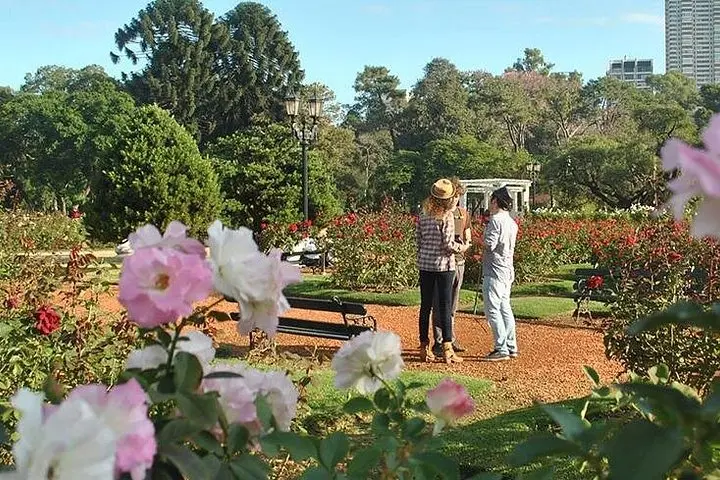
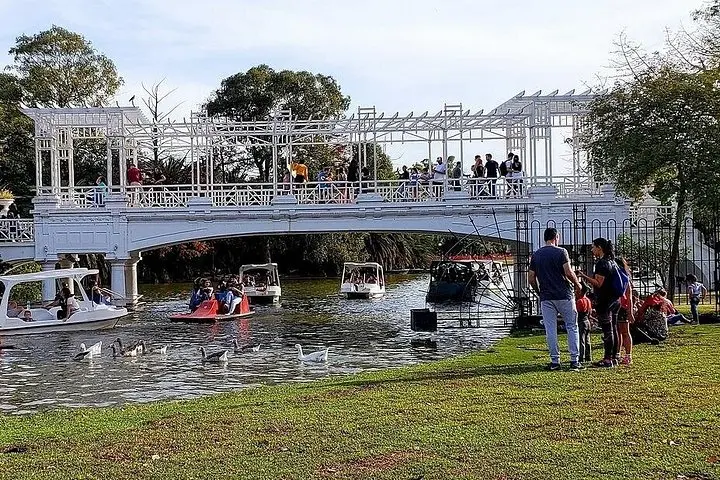
You step off Avenida del Libertador into wide shade; plane trees line the promenade and the city’s hum becomes a distant rhythm. Water glints across the Lagos de Palermo, swans cut clean arcs, and the Rosedal’s pergolas frame floral displays that seem to lean forward to meet you. A licensed guide leads the way, translating porteño stories into the language of the park—design choices by French landscaper Charles Thays, civic festivals, and everyday rituals of mates shared on benches.
Verified experiences and guided adventures in the surrounding area.
Operated by Tours Buenos Aires · Buenos Aires, Buenos Aires
You step off Avenida del Libertador into wide shade; plane trees line the promenade and the city’s hum becomes a distant rhythm. Water glints across the Lagos de Palermo, swans cut clean arcs, and the Rosedal’s pergolas frame floral displays that seem to lean forward to meet you. A licensed guide leads the way, translating porteño stories into the language of the park—design choices by French landscaper Charles Thays, civic festivals, and everyday rituals of mates shared on benches.
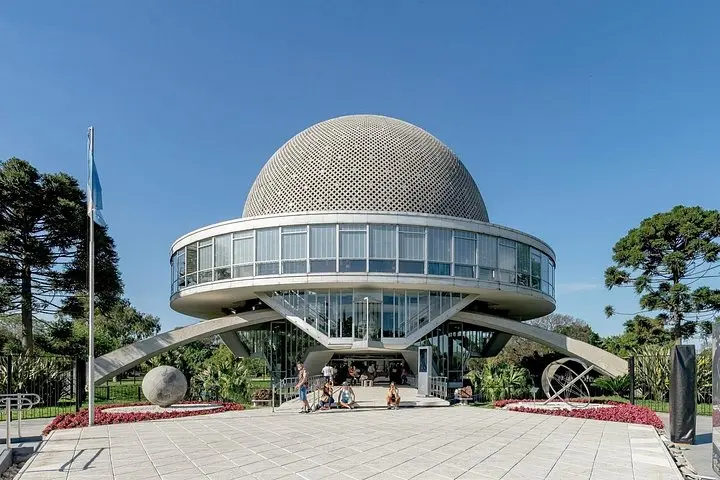
Parque Tres de Febrero was carved from 19th‑century urban ambitions, its artificial lakes and rose terraces reflecting a period when Buenos Aires was shaping a modern public realm. The geology is flat river plain—soft soils and engineered terraces—so paths are forgiving but can be muddy after rain. Culture here is lived outdoors: painters at the Sívori Museum, astronomy buffs near the Planetario, rowboats skimming the water.
Practical guidance: allow about 2–3 hours to absorb the Rosedal, the lakes, and a short stop at the Planetario viewpoint; bring a small amount of local currency for boat rentals or vendors. Wear supportive walking shoes for packed-earth paths and bridges, and a light layer for breezes off the water. Mid‑morning or late afternoon offer the best light for photos and cooler air; weekends fill with families and cyclists, so expect a livelier pace. Hydrate—the sun can feel sharper than the city suggests—and follow park rules: stay on paths, keep noise respectful, and leave no trace. The walk is accessible for most fitness levels and rewards steady attention with quiet corners, sculpted plantings, and moments where the city lets nature take the lead.
The itinerary runs approximately 150 minutes (about 2.5 hours), covering the Rosedal, Lagos de Palermo, and viewpoints near the Planetario.
Many main paths are accessible and the tour notes stroller access; however, some smaller garden paths and bridges may be uneven—check specific access needs with the operator.
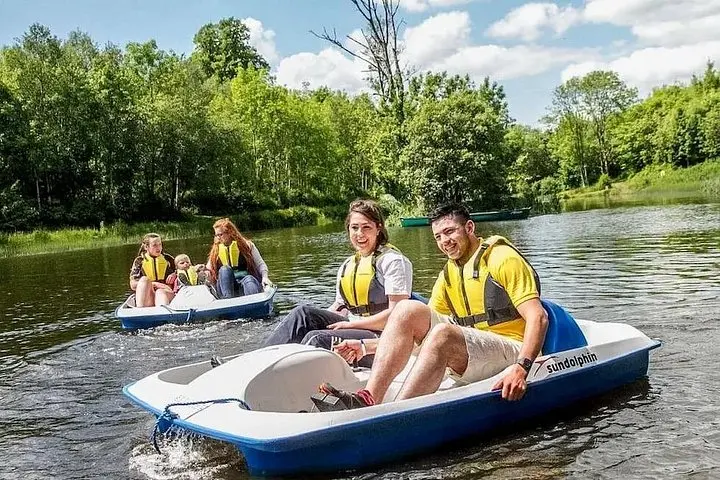
The tour includes a short ride on a rowing boat around one of the lakes as an inclusion, though availability can vary by season.
Guides are licensed and commonly operate in Spanish and English—confirm language preference at booking.
Tours Buenos Aires operates guided outdoor trips and adventures with an emphasis on safety, stewardship, and memorable experiences.
You step off Avenida del Libertador into wide shade; plane trees line the promenade and the city’s hum becomes a distant rhythm. Water glints across the Lagos de Palermo, swans cut clean arcs, and the Rosedal’s pergolas frame floral displays that seem to lean forward to meet you. A licensed guide leads the way, translating porteño stories into the language of the park—design choices by French landscaper Charles Thays, civic festivals, and everyday rituals of mates shared on benches.
You step off Avenida del Libertador into wide shade; plane trees line the promenade and the city’s hum becomes a distant rhythm. Water glints across the Lagos de Palermo, swans cut clean arcs, and the Rosedal’s pergolas frame floral displays that seem to lean forward to meet you. A licensed guide leads the way, translating porteño stories into the language of the park—design choices by French landscaper Charles Thays, civic festivals, and everyday rituals of mates shared on benches.
Parque Tres de Febrero was carved from 19th‑century urban ambitions, its artificial lakes and rose terraces reflecting a period when Buenos Aires was shaping a modern public realm. The geology is flat river plain—soft soils and engineered terraces—so paths are forgiving but can be muddy after rain. Culture here is lived outdoors: painters at the Sívori Museum, astronomy buffs near the Planetario, rowboats skimming the water.
Practical guidance: allow about 2–3 hours to absorb the Rosedal, the lakes, and a short stop at the Planetario viewpoint; bring a small amount of local currency for boat rentals or vendors. Wear supportive walking shoes for packed-earth paths and bridges, and a light layer for breezes off the water. Mid‑morning or late afternoon offer the best light for photos and cooler air; weekends fill with families and cyclists, so expect a livelier pace. Hydrate—the sun can feel sharper than the city suggests—and follow park rules: stay on paths, keep noise respectful, and leave no trace. The walk is accessible for most fitness levels and rewards steady attention with quiet corners, sculpted plantings, and moments where the city lets nature take the lead.