THE ADVENTURE COLLECTIVE® · Independent discovery and booking for outdoor travel

Glide the Tempisque River through Palo Verde National Park for concentrated birdlife, crocodile sightings and a riverside family lunch. This half-day boat tour pairs easy access with prime wildlife viewing in one of Costa Rica’s most important dry-wetland systems.
Glide the Tempisque River through Palo Verde National Park for concentrated birdlife, crocodile sightings and a riverside family lunch. This half-day boat tour pairs easy access with prime wildlife viewing in one of Costa Rica’s most important dry-wetland systems.
The motor hums low as the boat slips from the muddy bank and the Tempisque River widens before you; mangrove roots reach like open hands and a scarlet macaw squawks from a distant dry forest ridge. On this six- to seven-hour outing through Palo Verde National Park, the landscape reads like a living field guide: flooded plains, limestone ridges, and patches of tropical dry forest that dry into gold in the long season without rain.
Verified experiences and guided adventures in the surrounding area.
Operated by Real Tours Costa Rica · Cañas, Guanacaste
The motor hums low as the boat slips from the muddy bank and the Tempisque River widens before you; mangrove roots reach like open hands and a scarlet macaw squawks from a distant dry forest ridge. On this six- to seven-hour outing through Palo Verde National Park, the landscape reads like a living field guide: flooded plains, limestone ridges, and patches of tropical dry forest that dry into gold in the long season without rain.
Palo Verde began life as a wildlife refuge in the 1970s and later rose to national park status as Costa Rica recognized the Tempisque valley’s value for migratory and resident birds. Geology here tells of ancient marine terraces and alluvial soil deposited by the river; those sediments feed the marshes and sustain the giant mangroves that trap silt and shelter fish nurseries.
Culturally, the trip often includes a family-cooked typical lunch—rice, black beans, fried plantains and picadillo—served in a riverside home, a reminder of how people and wetland ecosystems have coexisted.
Practical guidance: expect long, low-angle viewing—bring binoculars, sun protection, and a lightweight rain layer. Wildlife concentrates in the dry months when the river is one of the few water sources; crocodiles, herons, ibis and howler monkeys are common sights. The tour includes boat transport, safety equipment, and lunch; pickup logistics may require up to two hours of transfer. Cameras with zoom lenses and a steady hand will pay dividends; shutter speed matters when birds take off.
Plan for humidity, practical footwear for boarding, and respect for nesting areas—quiet observation helps preserve the park’s fragile avian communities.
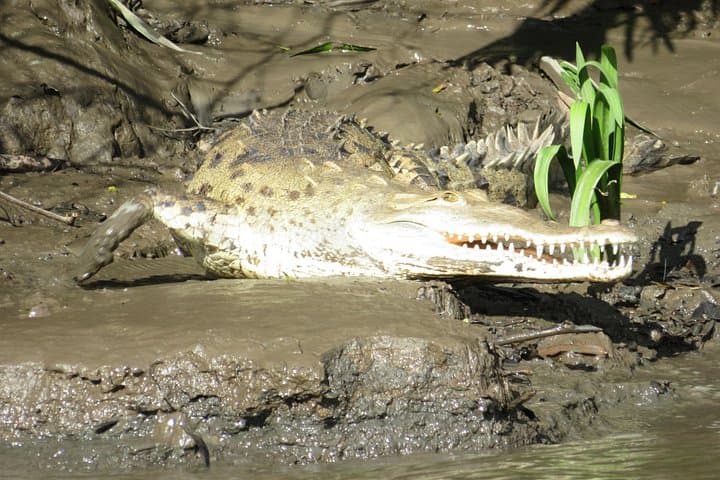
Yes—American crocodiles are commonly seen along the Tempisque’s banks, often sunning near the waterline; sightings are frequent but never guaranteed.
The tour is rated easy with limited walking; the operator provides infant seats and some wheelchair-accessible transport, but boarding the boat may require assistance.
During the dry months you’ll see concentrations of wading birds—herons, storks, ibises—plus monkeys and iguanas as animals gather at remaining water sources.
Yes, a traditional Costa Rican lunch and purified water are included; coffee or tea is also provided at the operator’s facility.
Real Tours Costa Rica operates guided outdoor trips and adventures with an emphasis on safety, stewardship, and memorable experiences.


The motor hums low as the boat slips from the muddy bank and the Tempisque River widens before you; mangrove roots reach like open hands and a scarlet macaw squawks from a distant dry forest ridge. On this six- to seven-hour outing through Palo Verde National Park, the landscape reads like a living field guide: flooded plains, limestone ridges, and patches of tropical dry forest that dry into gold in the long season without rain.
The motor hums low as the boat slips from the muddy bank and the Tempisque River widens before you; mangrove roots reach like open hands and a scarlet macaw squawks from a distant dry forest ridge. On this six- to seven-hour outing through Palo Verde National Park, the landscape reads like a living field guide: flooded plains, limestone ridges, and patches of tropical dry forest that dry into gold in the long season without rain.
Palo Verde began life as a wildlife refuge in the 1970s and later rose to national park status as Costa Rica recognized the Tempisque valley’s value for migratory and resident birds. Geology here tells of ancient marine terraces and alluvial soil deposited by the river; those sediments feed the marshes and sustain the giant mangroves that trap silt and shelter fish nurseries.
Culturally, the trip often includes a family-cooked typical lunch—rice, black beans, fried plantains and picadillo—served in a riverside home, a reminder of how people and wetland ecosystems have coexisted.
Practical guidance: expect long, low-angle viewing—bring binoculars, sun protection, and a lightweight rain layer. Wildlife concentrates in the dry months when the river is one of the few water sources; crocodiles, herons, ibis and howler monkeys are common sights. The tour includes boat transport, safety equipment, and lunch; pickup logistics may require up to two hours of transfer. Cameras with zoom lenses and a steady hand will pay dividends; shutter speed matters when birds take off.
Plan for humidity, practical footwear for boarding, and respect for nesting areas—quiet observation helps preserve the park’s fragile avian communities.