THE ADVENTURE COLLECTIVE® · Independent discovery and booking for outdoor travel

Cruise the Tempisque River into the heart of Palo Verde to spot monkeys, crocodiles and migratory birds, then visit Beneficio Matambú to learn how Diriá coffee is processed. This full-day tour pairs river wildlife viewing with a hands-on coffee farm experience.
Cruise the Tempisque River into the heart of Palo Verde to spot monkeys, crocodiles and migratory birds, then visit Beneficio Matambú to learn how Diriá coffee is processed. This full-day tour pairs river wildlife viewing with a hands-on coffee farm experience.
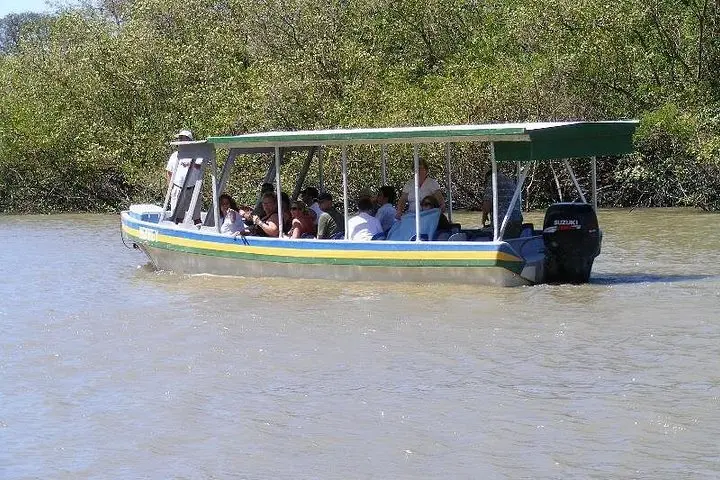
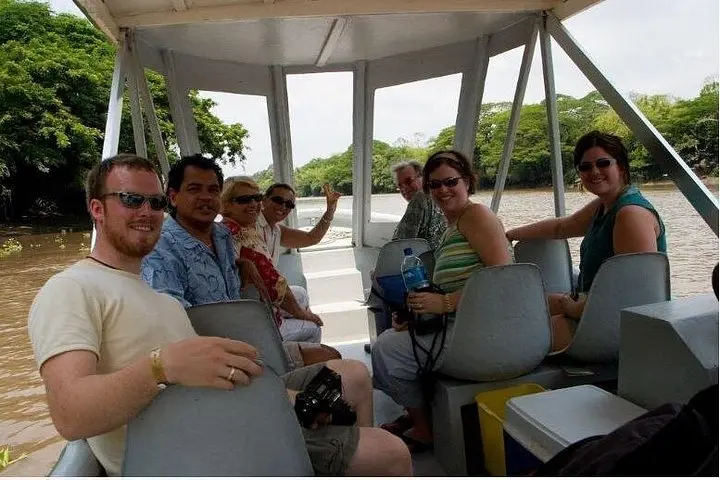
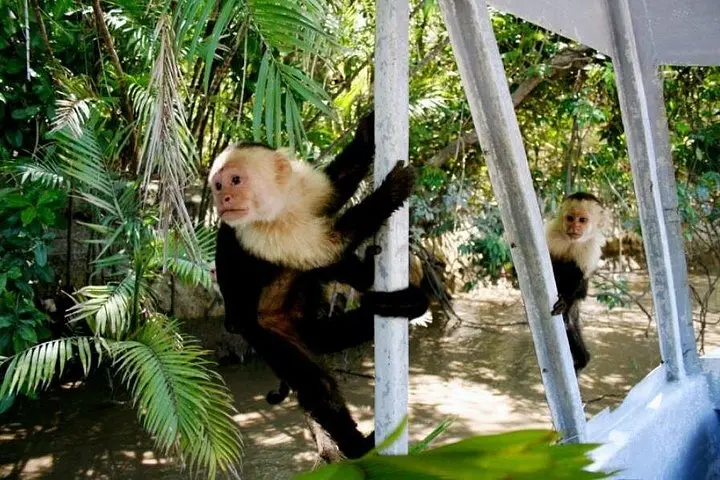
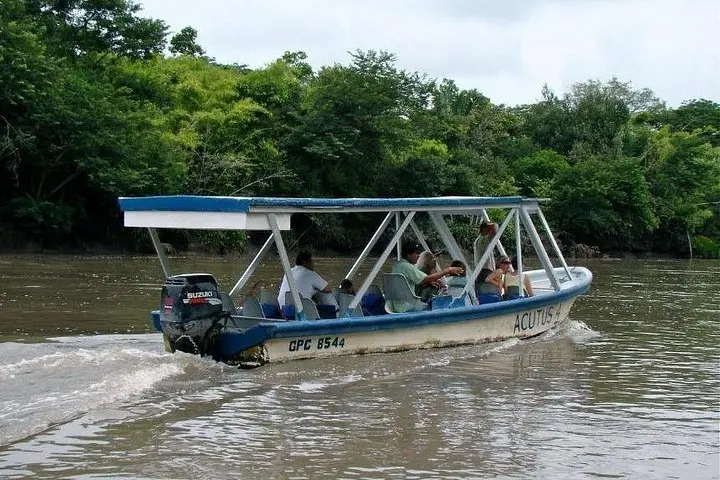
The Tempisque opens like a moving corridor of green as the boat slips away from the dock — mangrove roots tracing the waterline, kingfishers flicking past, and howler monkeys pausing in the canopy to watch you pass. The river pushes and pulls the landscape, revealing sandbars, oxbow lakes and the occasional sunning crocodile.
Verified experiences and guided adventures in the surrounding area.
Operated by Central American Tours · Bagaces, Guanacaste
The Tempisque opens like a moving corridor of green as the boat slips away from the dock — mangrove roots tracing the waterline, kingfishers flicking past, and howler monkeys pausing in the canopy to watch you pass. The river pushes and pulls the landscape, revealing sandbars, oxbow lakes and the occasional sunning crocodile.
Palo Verde National Park sits on the broad Tempisque floodplain in Guanacaste, a wetland shaped by seasonal rains and volcanic soils. The park's ecology is intimately tied to local ranching and irrigation history; waterways that once defined cattle routes now funnel migratory birds and monkeys through protected corridors. After the cruise you move inland to Beneficio Matambú, a small Diriá coffee operation where centuries-old coffee culture meets modern waste-treatment practices — taste the roast that grew on these sun-washed slopes.
Expect a day paced around wildlife viewing and relaxed learning rather than strenuous hiking: long boat stretches, short walking segments at the coffee finca, and a midday lunch. Bring binoculars and a camera, plus sun and insect protection. Dry-season mornings (Dec–Apr) give clearer skies and easier roads; the wet season raises water levels and the chance to see more river channels but brings mosquitoes and muddier access.
Logistics are straightforward: hotel pickup by air-conditioned minivan, national park fees included, and a roughly 8–10 hour itinerary. Wear sturdy closed shoes for boarding and finca paths, keep a waterproof layer handy, and listen to guides when wildlife is nearby. This is a full-day, low-impact outing that combines river ecology with hands-on local culture — ideal for wildlife watchers and anyone curious about where Costa Rican coffee begins.
The full-day excursion runs about 8–10 hours, including river cruising, lunch and the coffee-farm visit.
Yes — park admission and transport by air-conditioned minivan with hotel pickup/drop-off are included.
Wildlife sightings are common but not guaranteed; guides target known feeding and nesting areas to maximize chances.
Yes — the tour is rated easy and suitable for most fitness levels, though boarding a boat requires reasonable mobility.
Central American Tours operates guided outdoor trips and adventures with an emphasis on safety, stewardship, and memorable experiences.
The Tempisque opens like a moving corridor of green as the boat slips away from the dock — mangrove roots tracing the waterline, kingfishers flicking past, and howler monkeys pausing in the canopy to watch you pass. The river pushes and pulls the landscape, revealing sandbars, oxbow lakes and the occasional sunning crocodile.
The Tempisque opens like a moving corridor of green as the boat slips away from the dock — mangrove roots tracing the waterline, kingfishers flicking past, and howler monkeys pausing in the canopy to watch you pass. The river pushes and pulls the landscape, revealing sandbars, oxbow lakes and the occasional sunning crocodile.
Palo Verde National Park sits on the broad Tempisque floodplain in Guanacaste, a wetland shaped by seasonal rains and volcanic soils. The park's ecology is intimately tied to local ranching and irrigation history; waterways that once defined cattle routes now funnel migratory birds and monkeys through protected corridors. After the cruise you move inland to Beneficio Matambú, a small Diriá coffee operation where centuries-old coffee culture meets modern waste-treatment practices — taste the roast that grew on these sun-washed slopes.
Expect a day paced around wildlife viewing and relaxed learning rather than strenuous hiking: long boat stretches, short walking segments at the coffee finca, and a midday lunch. Bring binoculars and a camera, plus sun and insect protection. Dry-season mornings (Dec–Apr) give clearer skies and easier roads; the wet season raises water levels and the chance to see more river channels but brings mosquitoes and muddier access.
Logistics are straightforward: hotel pickup by air-conditioned minivan, national park fees included, and a roughly 8–10 hour itinerary. Wear sturdy closed shoes for boarding and finca paths, keep a waterproof layer handy, and listen to guides when wildlife is nearby. This is a full-day, low-impact outing that combines river ecology with hands-on local culture — ideal for wildlife watchers and anyone curious about where Costa Rican coffee begins.