THE ADVENTURE COLLECTIVE® · Independent discovery and booking for outdoor travel

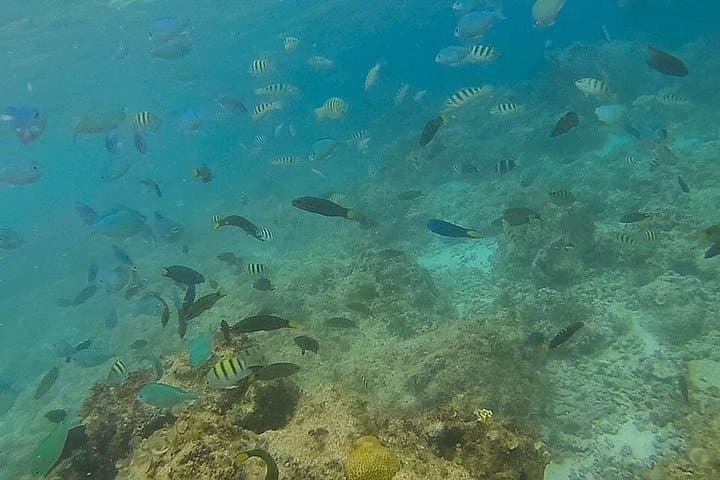
Head offshore from Tagbilaran for a dawn-run to Pamilacan Island, where experienced local crews guide dolphin and whale watching in the Bohol Marine Triangle. Expect a 45–60 minute boat ride, snorkeling on healthy reef slopes, and a low-key island visit with lunch.
Head offshore from Tagbilaran for a dawn-run to Pamilacan Island, where experienced local crews guide dolphin and whale watching in the Bohol Marine Triangle. Expect a 45–60 minute boat ride, snorkeling on healthy reef slopes, and a low-key island visit with lunch.
Morning light strips the horizon as a motorized outrigger slips from Balicasag/Baluarte port and the sea begins to decide the day. The outrigger’s engine hums; the Bohol Sea opens in long blue swells that often bring pods within viewing distance. On clear mornings the boat moves slowly, eyes scanning for dorsal fins and the sudden exhalation of a whale.
Verified experiences and guided adventures in the surrounding area.
Operated by Rio Travel and Tour · Tagbilaran City, Bohol
Morning light strips the horizon as a motorized outrigger slips from Balicasag/Baluarte port and the sea begins to decide the day. The outrigger’s engine hums; the Bohol Sea opens in long blue swells that often bring pods within viewing distance. On clear mornings the boat moves slowly, eyes scanning for dorsal fins and the sudden exhalation of a whale.
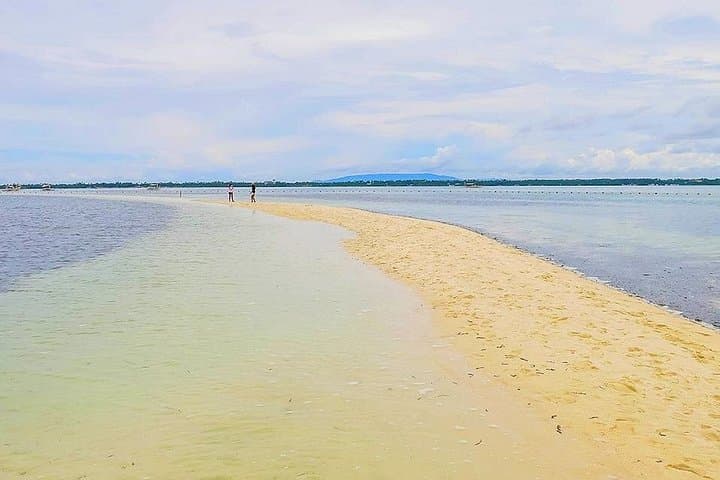
Pamilacan sits inside the Bohol Marine Triangle, long known to fishers who once targeted large marine species with a hooked tool called pilak. Today the island’s economy has shifted toward guiding visitors and protecting its reef gardens. Geologically, the island is limestone and reef-born sand—the white beaches are shallow shelves that fall quickly into rich coral slopes.
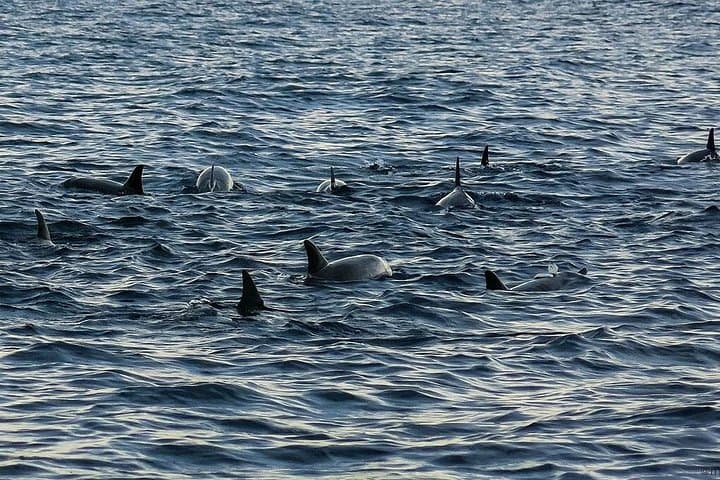
Culturally, most residents are fishers and boatmen whose knowledge of currents and seasonal movements shapes every sighting. Expect encounters with spinner or pantropical dolphins and occasional sightings of Bryde’s and sperm whales; operators report more than a dozen cetacean species in the greater marine area.
Practical guidance: tours usually launch at dawn from Tagbilaran or Panglao, with a 45–60 minute boat run. Bring reef-safe sunscreen, a light wind layer, and seasickness remedies if you’re prone to motion. Snorkeling gear, life vests, and lunch are commonly included; follow crew instructions for safe wildlife viewing—keep distance, avoid noise, and never attempt to touch animals. If seas are rough, sightings can be limited; early-season mornings (calmest) improve odds. Whether you come for the dolphins’ playful arcs or the rare bulk of a whale’s back, the trip is a straightforward day out that pairs simple island life with open-ocean wildlife watching.
The trip from Balicasag/Baluarte port near Tagbilaran or Panglao typically takes about 45–60 minutes depending on sea conditions.
No—sightings depend on animal movement and sea state; early morning departures and calm seas increase odds but sightings are never guaranteed.
Most operators include snorkeling gear and life vests; confirm at booking if you need a child or specialty-sized mask.
Yes—children can join but must be accompanied by an adult and wear life vests; disclose ages at booking so operators can prepare appropriately.
Rio Travel and Tour operates guided outdoor trips and adventures with an emphasis on safety, stewardship, and memorable experiences.

Morning light strips the horizon as a motorized outrigger slips from Balicasag/Baluarte port and the sea begins to decide the day. The outrigger’s engine hums; the Bohol Sea opens in long blue swells that often bring pods within viewing distance. On clear mornings the boat moves slowly, eyes scanning for dorsal fins and the sudden exhalation of a whale.
Morning light strips the horizon as a motorized outrigger slips from Balicasag/Baluarte port and the sea begins to decide the day. The outrigger’s engine hums; the Bohol Sea opens in long blue swells that often bring pods within viewing distance. On clear mornings the boat moves slowly, eyes scanning for dorsal fins and the sudden exhalation of a whale.
Pamilacan sits inside the Bohol Marine Triangle, long known to fishers who once targeted large marine species with a hooked tool called pilak. Today the island’s economy has shifted toward guiding visitors and protecting its reef gardens. Geologically, the island is limestone and reef-born sand—the white beaches are shallow shelves that fall quickly into rich coral slopes.
Culturally, most residents are fishers and boatmen whose knowledge of currents and seasonal movements shapes every sighting. Expect encounters with spinner or pantropical dolphins and occasional sightings of Bryde’s and sperm whales; operators report more than a dozen cetacean species in the greater marine area.
Practical guidance: tours usually launch at dawn from Tagbilaran or Panglao, with a 45–60 minute boat run. Bring reef-safe sunscreen, a light wind layer, and seasickness remedies if you’re prone to motion. Snorkeling gear, life vests, and lunch are commonly included; follow crew instructions for safe wildlife viewing—keep distance, avoid noise, and never attempt to touch animals. If seas are rough, sightings can be limited; early-season mornings (calmest) improve odds. Whether you come for the dolphins’ playful arcs or the rare bulk of a whale’s back, the trip is a straightforward day out that pairs simple island life with open-ocean wildlife watching.