THE ADVENTURE COLLECTIVE® · Independent discovery and booking for outdoor travel

A five‑day overland traverse from Dushanbe to Osh across the Pamir Highway: high passes, alpine lakes, and remote Pamiri villages. Practical route notes, altitude guidance, and cultural context to help you plan.
A five‑day overland traverse from Dushanbe to Osh across the Pamir Highway: high passes, alpine lakes, and remote Pamiri villages. Practical route notes, altitude guidance, and cultural context to help you plan.
A dust-scented engine, a low sun slicing across a braided river, and a ribbon of road that climbs until the world feels thin — that’s the opening frame on the Pamir Highway from Dushanbe to Osh. Travelers move through valleys where the Panj River dares you to stare into Afghanistan’s opposite bank, then up over passes crowned in wind and scree.
Verified experiences and guided adventures in the surrounding area.
Operated by Discoverystan · Khorog, Gorno-Badakhshan Autonomous Region
A dust-scented engine, a low sun slicing across a braided river, and a ribbon of road that climbs until the world feels thin — that’s the opening frame on the Pamir Highway from Dushanbe to Osh. Travelers move through valleys where the Panj River dares you to stare into Afghanistan’s opposite bank, then up over passes crowned in wind and scree.
The route follows ancient corridors of the Silk Road and later Soviet supply lines, so villages and forts appear like chapters of layered history. Geologically, the Pamirs are young, uplifted ranges where jagged peaks, high plateaus and saline lakes like Karakul reveal the ongoing collision of India into Eurasia. Culturally, the Gorno-Badakhshan region preserves Pamiri languages, communal tea houses, and roadside bazaars selling yak cheese and woven hats.
Expect long days in an air‑conditioned vehicle, occasional short walks to viewpoints, and guesthouse stays; mornings may be raw and evenings cold at altitude. Watch for high passes — Ak‑Baital tops nearly 4,655 m — and carry layers, water, and sun protection. Drive segments range from a few hours to full‑day crossings; snow or wind can slow progress.
Practical tips: acclimatize for 24–48 hours in Dushanbe or Khorog if possible, hydrate steadily, and keep passports handy for border crossings. Respect local customs in villages and pack biodegradable toiletries — the alpine steppe is fragile and slow to recover. The Pamir Highway is a road trip that feels like a walk through geological time: stark, immediate, and demanding enough to reward the patient traveler.
Visa requirements depend on your nationality and the borders you cross; check Tajikistan and Kyrgyzstan consulate guidance well before travel and carry passport copies.
Altitude is the main concern—passes exceed 4,500 m; acclimatize gradually, hydrate, avoid heavy exertion initially, and know basic symptoms and descent plans.
Most nights are in simple, locally run guesthouses with shared facilities; some towns offer more comfortable hotels but expect modest amenities in remote areas.
High passes are often snowbound in winter; the primary travel season is late spring through early autumn when roads are most reliably open.
Discoverystan operates guided outdoor trips and adventures with an emphasis on safety, stewardship, and memorable experiences.
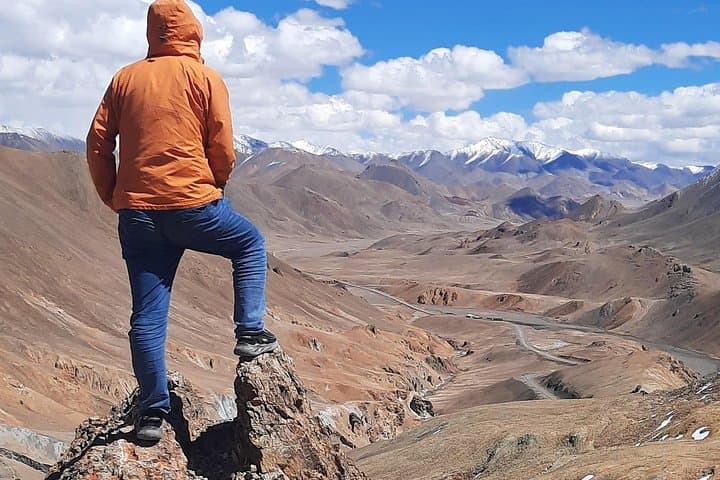
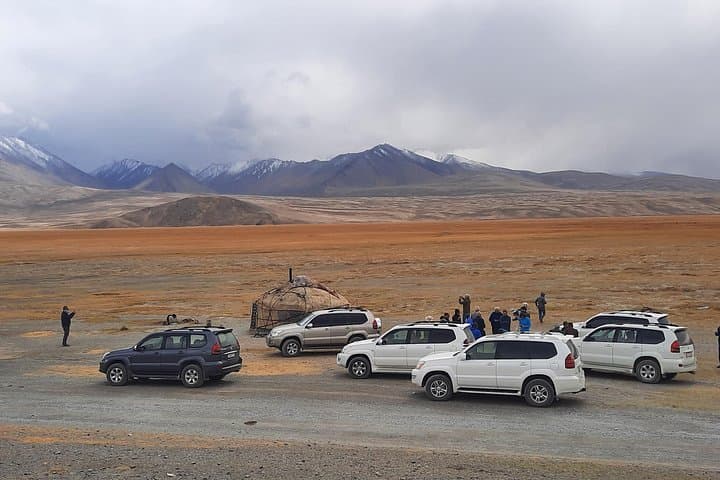
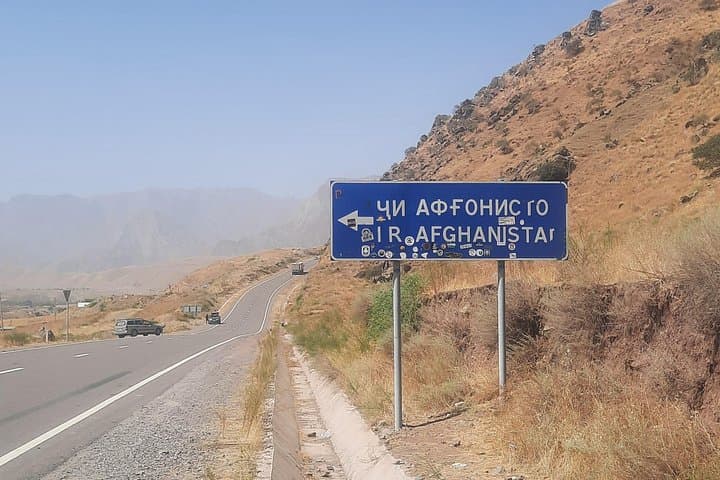
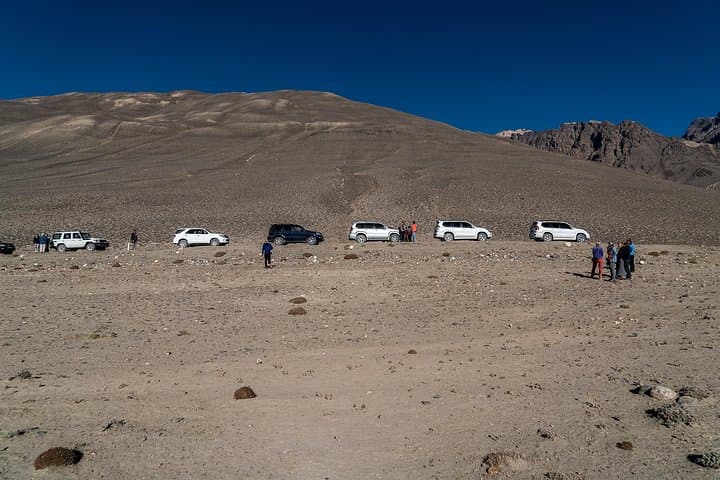
A dust-scented engine, a low sun slicing across a braided river, and a ribbon of road that climbs until the world feels thin — that’s the opening frame on the Pamir Highway from Dushanbe to Osh. Travelers move through valleys where the Panj River dares you to stare into Afghanistan’s opposite bank, then up over passes crowned in wind and scree.
A dust-scented engine, a low sun slicing across a braided river, and a ribbon of road that climbs until the world feels thin — that’s the opening frame on the Pamir Highway from Dushanbe to Osh. Travelers move through valleys where the Panj River dares you to stare into Afghanistan’s opposite bank, then up over passes crowned in wind and scree.
The route follows ancient corridors of the Silk Road and later Soviet supply lines, so villages and forts appear like chapters of layered history. Geologically, the Pamirs are young, uplifted ranges where jagged peaks, high plateaus and saline lakes like Karakul reveal the ongoing collision of India into Eurasia. Culturally, the Gorno-Badakhshan region preserves Pamiri languages, communal tea houses, and roadside bazaars selling yak cheese and woven hats.
Expect long days in an air‑conditioned vehicle, occasional short walks to viewpoints, and guesthouse stays; mornings may be raw and evenings cold at altitude. Watch for high passes — Ak‑Baital tops nearly 4,655 m — and carry layers, water, and sun protection. Drive segments range from a few hours to full‑day crossings; snow or wind can slow progress.
Practical tips: acclimatize for 24–48 hours in Dushanbe or Khorog if possible, hydrate steadily, and keep passports handy for border crossings. Respect local customs in villages and pack biodegradable toiletries — the alpine steppe is fragile and slow to recover. The Pamir Highway is a road trip that feels like a walk through geological time: stark, immediate, and demanding enough to reward the patient traveler.