THE ADVENTURE COLLECTIVE® · Independent discovery and booking for outdoor travel

A seven‑day high‑altitude road trip across the Pamirs and along the Wakhan Corridor. Expect long 4x4 days, altitude gains above 4,000 m, remote villages, hot springs and Silk Road history.
A seven‑day high‑altitude road trip across the Pamirs and along the Wakhan Corridor. Expect long 4x4 days, altitude gains above 4,000 m, remote villages, hot springs and Silk Road history.
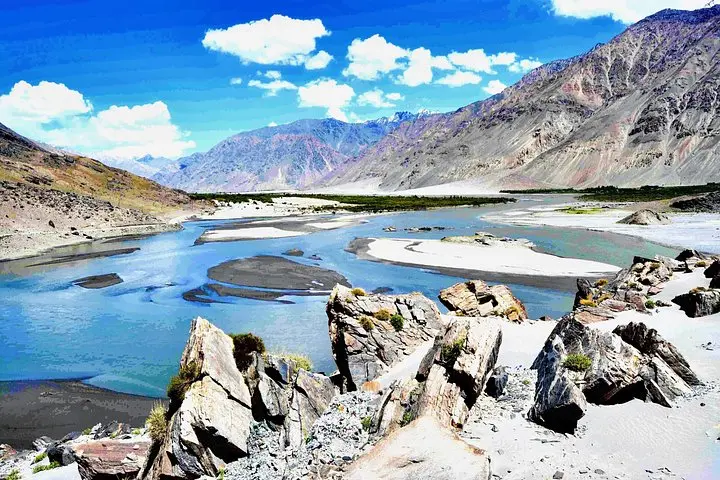
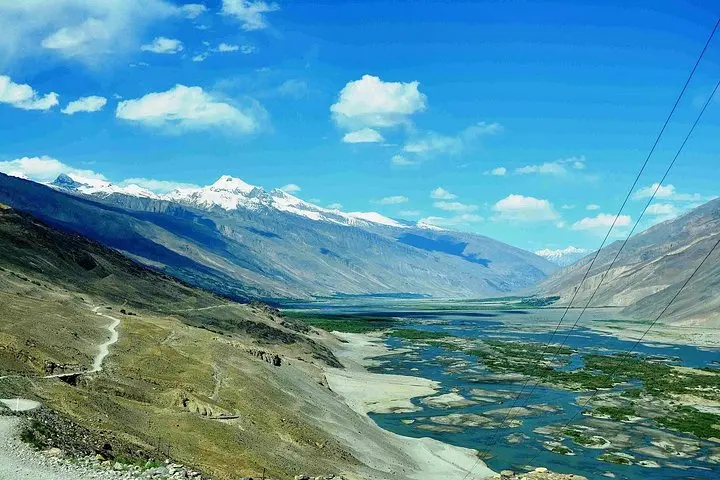
You climb out of Osh before dawn and the road narrows to loose gravel; the wind seems to push you higher. By mid‑day the vehicle settles into a rhythm — slow, deliberate — as passes like Kyzyl‑Art and Ak‑Baital lift the landscape into a different light: bone‑white glaciers, limestone ribs, and river valleys that dare you to look over the edge.
Verified experiences and guided adventures in the surrounding area.
Operated by Alay Travel Guide · Murghab, Gorno‑Badakhshan Autonomous Region
You climb out of Osh before dawn and the road narrows to loose gravel; the wind seems to push you higher. By mid‑day the vehicle settles into a rhythm — slow, deliberate — as passes like Kyzyl‑Art and Ak‑Baital lift the landscape into a different light: bone‑white glaciers, limestone ribs, and river valleys that dare you to look over the edge.
This route follows centuries of Silk Road traffic and strategic borderlands. Geologically the Pamirs are a jumble of uplifted plateaus and folded sedimentary rock where glaciers carved high basins; culturally the Wakhan Corridor is a patchwork of Pamiri villages, ancient fortresses like Yamchun, and hot springs that have drawn travelers for generations.
Expect long days in a 4x4, short walks at altitude, and evenings in guesthouses or yurt camps. Acclimatization is the priority: nights above 3,000–4,000 m, thin air, and sudden weather shifts. Road surfaces vary — paved near towns, then deep gravel and washboard over passes — so suspension, patient driving, and basic off‑road tolerance matter.
Practical tips: plan for border checks and a GBAO permit if you’re entering Tajik Gorno‑Badakhshan; pack layered insulation, a sturdy waterproof shell, and sunscreen for intense high‑altitude UV. Carry extra water and electrolytes, a basic first‑aid kit, and copies of travel documents. Aim for late spring through early fall for the most reliable window; winter brings closed passes and deep snow.
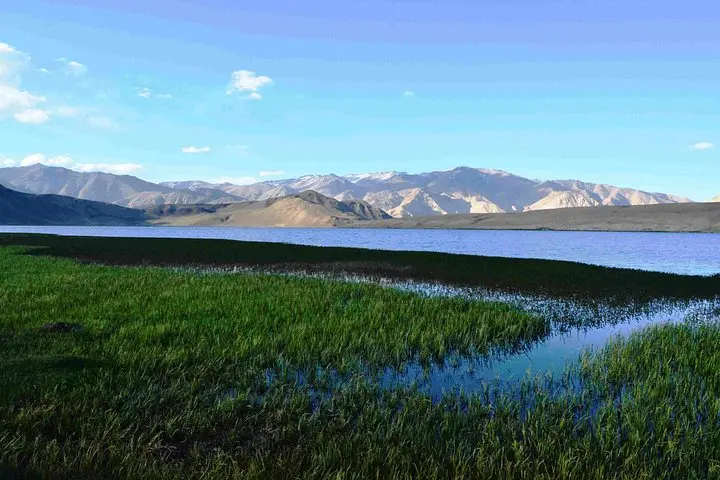
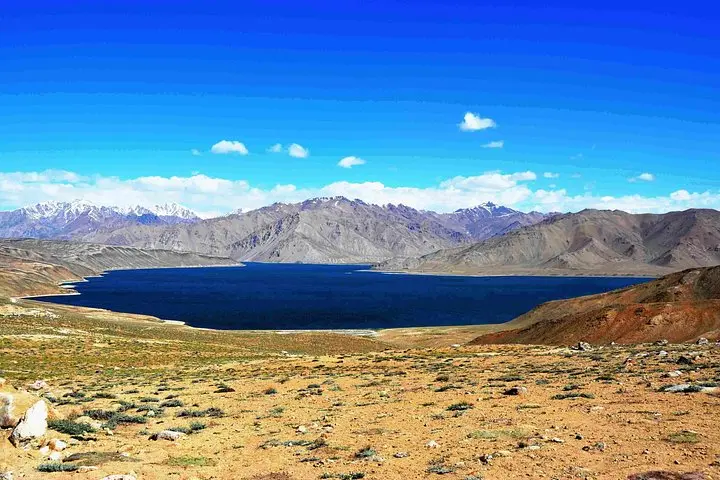
The Pamir Highway is not a sprint but a measured climb — a road trip that rewards patience with high‑altitude lakes, remote villages, and views that keep unfolding as you go.
Foreigners usually need a GBAO permit to travel Gorno‑Badakhshan in Tajikistan; many operators include permit handling—confirm before booking.
Expect mixed surfaces: pavement near towns, extended gravel and washboard through the highlands; a reliable high‑clearance 4x4 is recommended.
Yes — nights often exceed 3,500–4,600 m. Acclimatize, hydrate, ascend gradually and consult a doctor about prophylactic medication if needed.
Border crossings into Afghanistan are tightly controlled and generally not allowed for independent travelers; follow local regulations and border checkpoints.
Alay Travel Guide operates guided outdoor trips and adventures with an emphasis on safety, stewardship, and memorable experiences.
You climb out of Osh before dawn and the road narrows to loose gravel; the wind seems to push you higher. By mid‑day the vehicle settles into a rhythm — slow, deliberate — as passes like Kyzyl‑Art and Ak‑Baital lift the landscape into a different light: bone‑white glaciers, limestone ribs, and river valleys that dare you to look over the edge.
You climb out of Osh before dawn and the road narrows to loose gravel; the wind seems to push you higher. By mid‑day the vehicle settles into a rhythm — slow, deliberate — as passes like Kyzyl‑Art and Ak‑Baital lift the landscape into a different light: bone‑white glaciers, limestone ribs, and river valleys that dare you to look over the edge.
This route follows centuries of Silk Road traffic and strategic borderlands. Geologically the Pamirs are a jumble of uplifted plateaus and folded sedimentary rock where glaciers carved high basins; culturally the Wakhan Corridor is a patchwork of Pamiri villages, ancient fortresses like Yamchun, and hot springs that have drawn travelers for generations.
Expect long days in a 4x4, short walks at altitude, and evenings in guesthouses or yurt camps. Acclimatization is the priority: nights above 3,000–4,000 m, thin air, and sudden weather shifts. Road surfaces vary — paved near towns, then deep gravel and washboard over passes — so suspension, patient driving, and basic off‑road tolerance matter.
Practical tips: plan for border checks and a GBAO permit if you’re entering Tajik Gorno‑Badakhshan; pack layered insulation, a sturdy waterproof shell, and sunscreen for intense high‑altitude UV. Carry extra water and electrolytes, a basic first‑aid kit, and copies of travel documents. Aim for late spring through early fall for the most reliable window; winter brings closed passes and deep snow.
The Pamir Highway is not a sprint but a measured climb — a road trip that rewards patience with high‑altitude lakes, remote villages, and views that keep unfolding as you go.