THE ADVENTURE COLLECTIVE® · Independent discovery and booking for outdoor travel

Walk the surreal white terraces of Pamukkale, paddle in iron-rich red springs at Karahayit, and explore the Roman ruins of Hierapolis. This full-day outing blends geology, archaeology and a dip in Cleopatra’s Pool for a compact day of natural and cultural highlights.
Walk the surreal white terraces of Pamukkale, paddle in iron-rich red springs at Karahayit, and explore the Roman ruins of Hierapolis. This full-day outing blends geology, archaeology and a dip in Cleopatra’s Pool for a compact day of natural and cultural highlights.
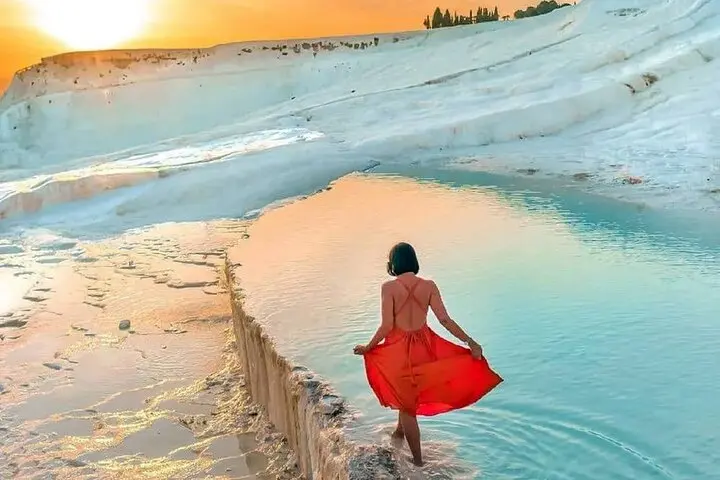
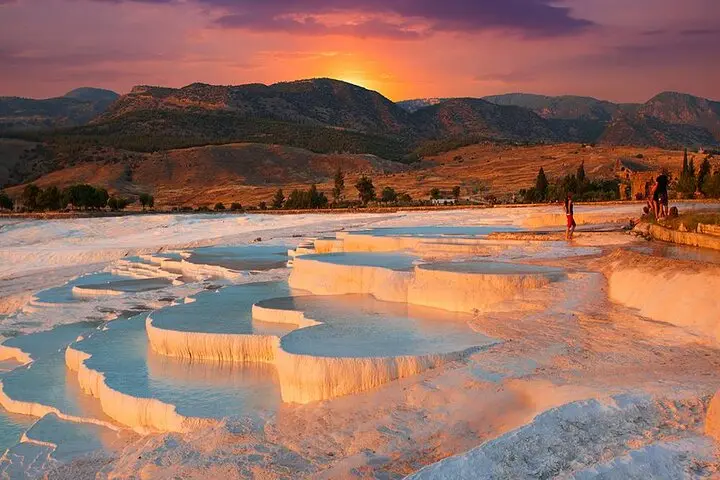
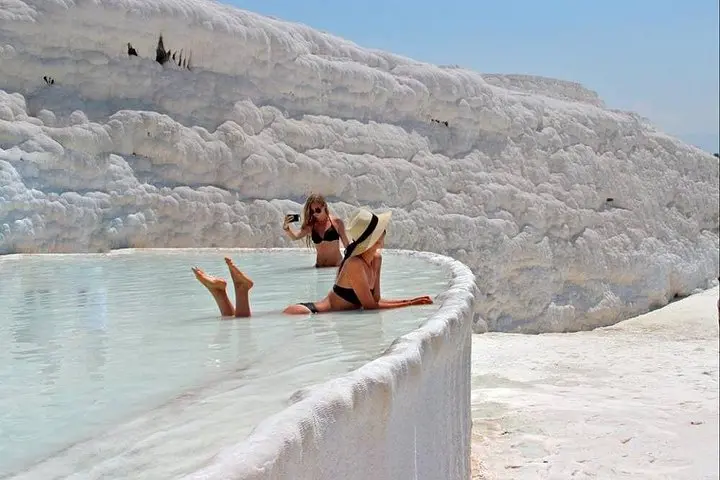
You step out of the coach into a bright, mineral world — terraces of chalk-white travertine stacked like frozen waterfalls, warm water threading the basins and steam rising where the sun hits. Nearby, the red springs of Karahayit stain the earth a copper tone; the thermal waters dare you to test their heat while the ruins of Hierapolis keep a watchful, ancient silence.
Verified experiences and guided adventures in the surrounding area.
Operated by Payless · Pamukkale, Denizli Province
You step out of the coach into a bright, mineral world — terraces of chalk-white travertine stacked like frozen waterfalls, warm water threading the basins and steam rising where the sun hits. Nearby, the red springs of Karahayit stain the earth a copper tone; the thermal waters dare you to test their heat while the ruins of Hierapolis keep a watchful, ancient silence.
This landscape is geological and human history in one sweep: calcium-carbonate-rich thermal waters deposited the travertine over millennia, building the white cliffs visitors now traverse. Hierapolis grew as a Roman spa city atop those springs; its theatre, necropolis and the Apostle Philip’s martyrium speak to centuries of pilgrimage and civic life. Local craft traditions — pottery and woven textiles from Denizli province — still color village markets around the site.
On a full-day tour you’ll visit Karahayit’s red springs first, then enter Pamukkale through the south gate with a licensed guide. Expect time to walk the terraces (shoes off required), explore Hierapolis ruins, and optional entry to Cleopatra’s Pool to swim among submerged columns (extra fee). An open-buffet lunch and a stop at a handicraft workshop are usually included.
Practical edge: wear quick-dry shorts, carry a towel if you plan to swim, and keep sunscreen and water close — the travertine reflects heat. Footing can be slick where algae cling; move deliberately. Tours run year-round but mid-summer brings the sun hard and winter fewer crowds. With minimal exertion but maximum visual payoff, this day trip rewards basic preparation rather than technical skill.
No — the ancient pool (Cleopatra’s Pool) typically requires a separate entrance fee paid on site; the tour usually includes time but not the ticket.
No — to protect the calcium deposits you must remove shoes and walk barefoot on designated travertine sections.
The operator lists wheelchair accessibility for parts of the itinerary, but terraces and some ruins have uneven surfaces — check in advance for specific access needs.
Yes, you can paddle in Karahayit’s iron-rich springs, but waters can be very hot so test carefully and follow guide instructions.
Payless operates guided outdoor trips and adventures with an emphasis on safety, stewardship, and memorable experiences.

You step out of the coach into a bright, mineral world — terraces of chalk-white travertine stacked like frozen waterfalls, warm water threading the basins and steam rising where the sun hits. Nearby, the red springs of Karahayit stain the earth a copper tone; the thermal waters dare you to test their heat while the ruins of Hierapolis keep a watchful, ancient silence.
You step out of the coach into a bright, mineral world — terraces of chalk-white travertine stacked like frozen waterfalls, warm water threading the basins and steam rising where the sun hits. Nearby, the red springs of Karahayit stain the earth a copper tone; the thermal waters dare you to test their heat while the ruins of Hierapolis keep a watchful, ancient silence.
This landscape is geological and human history in one sweep: calcium-carbonate-rich thermal waters deposited the travertine over millennia, building the white cliffs visitors now traverse. Hierapolis grew as a Roman spa city atop those springs; its theatre, necropolis and the Apostle Philip’s martyrium speak to centuries of pilgrimage and civic life. Local craft traditions — pottery and woven textiles from Denizli province — still color village markets around the site.
On a full-day tour you’ll visit Karahayit’s red springs first, then enter Pamukkale through the south gate with a licensed guide. Expect time to walk the terraces (shoes off required), explore Hierapolis ruins, and optional entry to Cleopatra’s Pool to swim among submerged columns (extra fee). An open-buffet lunch and a stop at a handicraft workshop are usually included.
Practical edge: wear quick-dry shorts, carry a towel if you plan to swim, and keep sunscreen and water close — the travertine reflects heat. Footing can be slick where algae cling; move deliberately. Tours run year-round but mid-summer brings the sun hard and winter fewer crowds. With minimal exertion but maximum visual payoff, this day trip rewards basic preparation rather than technical skill.