THE ADVENTURE COLLECTIVE® · Independent discovery and booking for outdoor travel

Walk barefoot across glinting white travertines and explore the Roman ruins of Hierapolis on a full-day trip from Istanbul. This guided tour pairs geology, history and a traditional lunch with time to bathe in mineral-rich pools.
Walk barefoot across glinting white travertines and explore the Roman ruins of Hierapolis on a full-day trip from Istanbul. This guided tour pairs geology, history and a traditional lunch with time to bathe in mineral-rich pools.
You step from the bus into a wide, bleached slope where terraces ladder down like frozen waterfalls. White travertine basins catch the sun and milky thermal water, while above, the ruins of Hierapolis sit like an open-air atlas of Roman life—a theatre, baths and a Greek necropolis that frame views across the Denizli plain.
Verified experiences and guided adventures in the surrounding area.
Operated by Turkey Experiences · Pamukkale, Denizli
You step from the bus into a wide, bleached slope where terraces ladder down like frozen waterfalls. White travertine basins catch the sun and milky thermal water, while above, the ruins of Hierapolis sit like an open-air atlas of Roman life—a theatre, baths and a Greek necropolis that frame views across the Denizli plain.
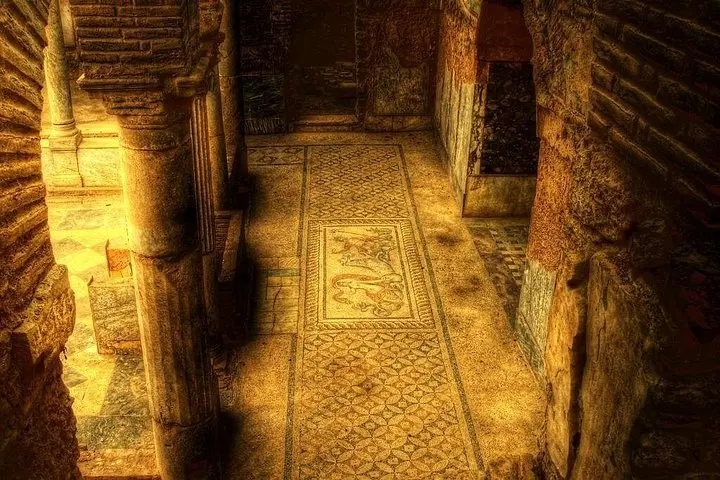
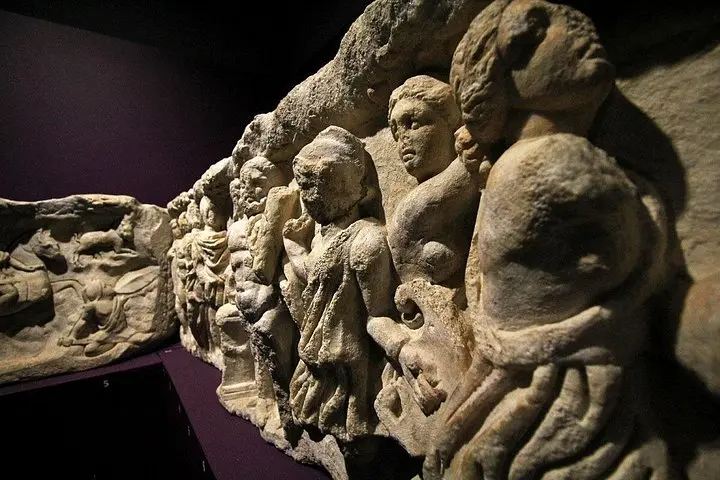
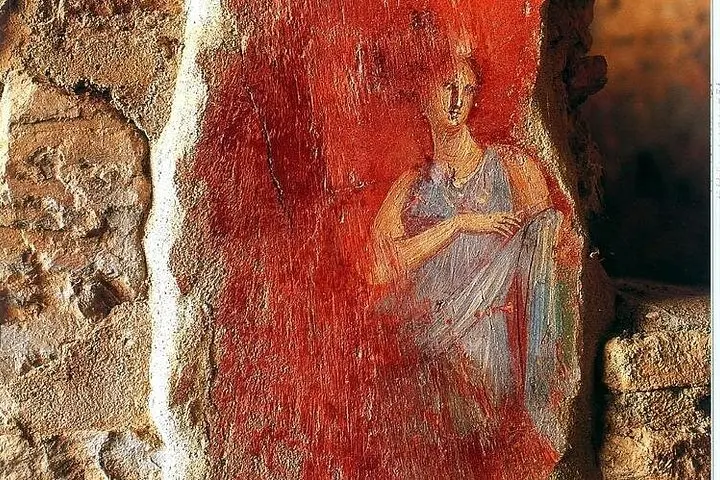
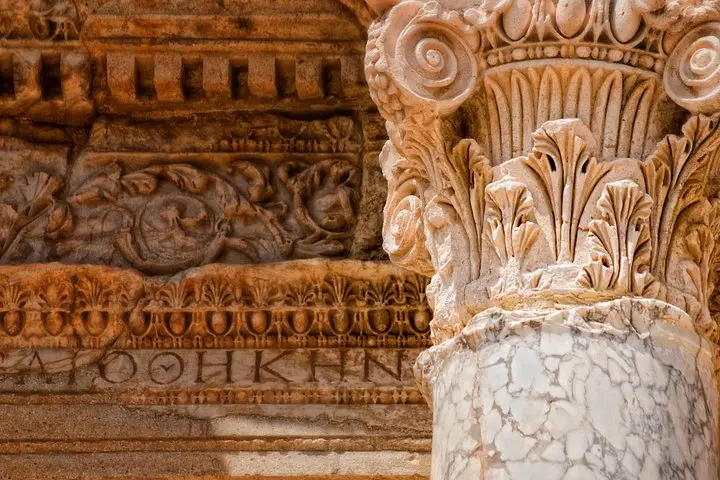
Geology here is blunt and visible: hot, mineral-rich springs deposit calcium carbonate that hardens into the travertine shelves over millennia. Hierapolis grew beside those springs as a healing centre in the Hellenistic and Roman eras; inscriptions and columns still mark streets once lined with merchants and pilgrims. Local culture today blends small-town hospitality—family-run restaurants and handicraft workshops—with a steady stream of visitors drawn by the hot springs and the UNESCO-listed site.
Practicalities: most day tours from Istanbul fly into Denizli/Cardak early, then combine a guided walk through Hierapolis with free time on the travertines and the option to swim in the Antique (Cleopatra) Pool. Footwear is restricted on the terraces—expect to walk barefoot on uneven, sometimes slippery calcium surfaces—so towel and quick-dry socks help. Bring sun protection and water; summer sun is intense and shade is limited. Allow at least 2–3 hours on-site to see the main ruins, take photos, and enjoy a lunch break.
Timing matters: mornings and late afternoons are best for softer light and fewer crowds. Respect the conservation rules—stay on designated paths and avoid lotions that can contaminate sensitive pools—so this rare landscape endures for the next visitors.
Visitors may wade in designated shallow basins on the travertines; swimming is typically restricted to the paid Antique (Cleopatra) Pool—confirm with your tour operator.
No—shoes and socks must be removed on the travertine terraces to protect the formations; wear sandals that are easy to remove.
Most day trips include a morning flight from Istanbul to Denizli/Cardak followed by a short transfer to Pamukkale; alternative options are overnight buses or self-drive from Denizli city.
Tour inclusions vary—many tours include museum/ruins tickets but swims or certain on-site activities can be extra; check the specific tour details before booking.
Turkey Experiences operates guided outdoor trips and adventures with an emphasis on safety, stewardship, and memorable experiences.
You step from the bus into a wide, bleached slope where terraces ladder down like frozen waterfalls. White travertine basins catch the sun and milky thermal water, while above, the ruins of Hierapolis sit like an open-air atlas of Roman life—a theatre, baths and a Greek necropolis that frame views across the Denizli plain.
You step from the bus into a wide, bleached slope where terraces ladder down like frozen waterfalls. White travertine basins catch the sun and milky thermal water, while above, the ruins of Hierapolis sit like an open-air atlas of Roman life—a theatre, baths and a Greek necropolis that frame views across the Denizli plain.
Geology here is blunt and visible: hot, mineral-rich springs deposit calcium carbonate that hardens into the travertine shelves over millennia. Hierapolis grew beside those springs as a healing centre in the Hellenistic and Roman eras; inscriptions and columns still mark streets once lined with merchants and pilgrims. Local culture today blends small-town hospitality—family-run restaurants and handicraft workshops—with a steady stream of visitors drawn by the hot springs and the UNESCO-listed site.
Practicalities: most day tours from Istanbul fly into Denizli/Cardak early, then combine a guided walk through Hierapolis with free time on the travertines and the option to swim in the Antique (Cleopatra) Pool. Footwear is restricted on the terraces—expect to walk barefoot on uneven, sometimes slippery calcium surfaces—so towel and quick-dry socks help. Bring sun protection and water; summer sun is intense and shade is limited. Allow at least 2–3 hours on-site to see the main ruins, take photos, and enjoy a lunch break.
Timing matters: mornings and late afternoons are best for softer light and fewer crowds. Respect the conservation rules—stay on designated paths and avoid lotions that can contaminate sensitive pools—so this rare landscape endures for the next visitors.