THE ADVENTURE COLLECTIVE® · Independent discovery and booking for outdoor travel

Walk the chalky terraces and explore the ruins of Hierapolis on a full-day small-group tour from Kusadasi. This experience pairs dramatic travertine formations with Roman-era ruins for a hands-on lesson in geology and history.
Walk the chalky terraces and explore the ruins of Hierapolis on a full-day small-group tour from Kusadasi. This experience pairs dramatic travertine formations with Roman-era ruins for a hands-on lesson in geology and history.
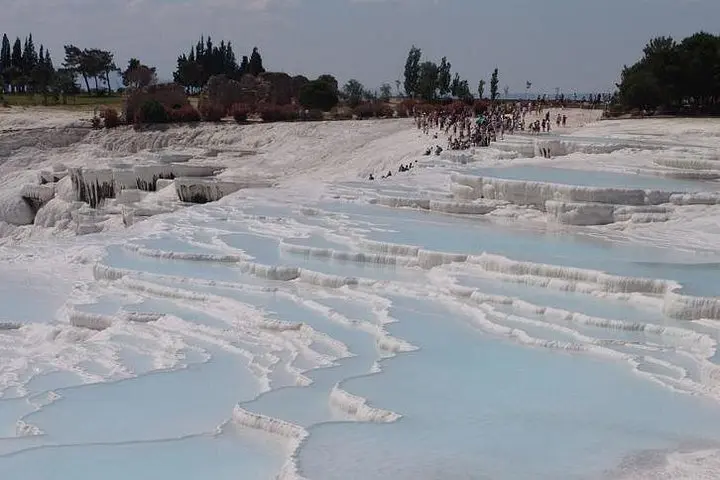
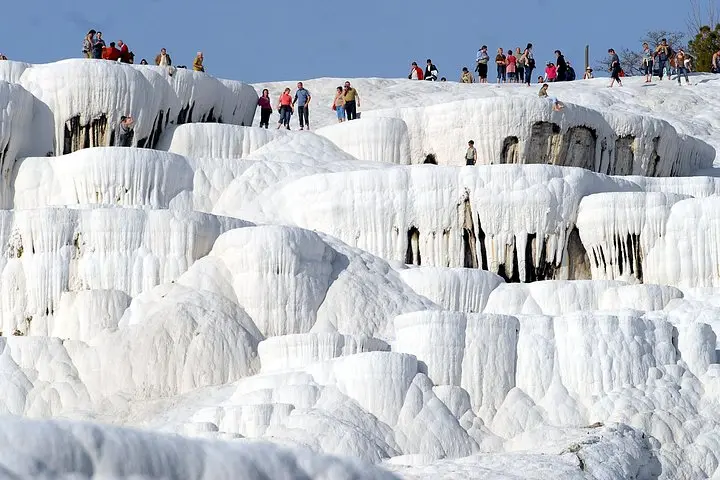
The first light of day turns the travertine steps of Pamukkale into a hard-edged white map; visitors step carefully, toes testing warm, mineral-rich water that laps the rim of shallow pools. On a small-group day trip from Kusadasi you cross Anatolia into a landscape where hot springs have, over millennia, painted terraces of calcium carbonate and fed a spa culture that ancient Romans prized.
Verified experiences and guided adventures in the surrounding area.
Operated by Turkey Travel Mart · Pamukkale, Denizli Province
The first light of day turns the travertine steps of Pamukkale into a hard-edged white map; visitors step carefully, toes testing warm, mineral-rich water that laps the rim of shallow pools. On a small-group day trip from Kusadasi you cross Anatolia into a landscape where hot springs have, over millennia, painted terraces of calcium carbonate and fed a spa culture that ancient Romans prized.
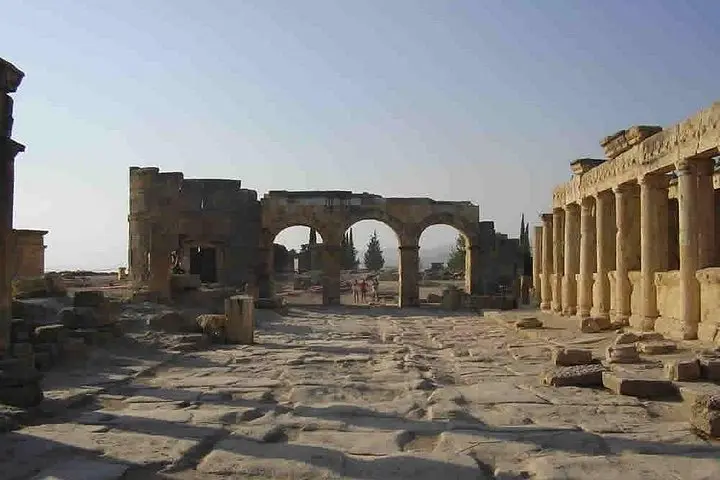
Geology here is literal history: thermal waters rising through limestone deposit travertine that builds the terraces visitors see today. Above the terraces lie the ruins of Hierapolis, founded as a sacred spa town in the Hellenistic period and expanded under Rome — a theater, necropolis and colonnaded streets that still hold carved tombs and echo with footfall.
Culture and modern life thread through the site: local guides translate inscriptions, small cafés sell tea, and the village of Pamukkale near Denizli serves as the practical base. Expect a long but rewarding day — driving across changing Anatolian plains, then hours of walking on uneven stone and in shallow water.
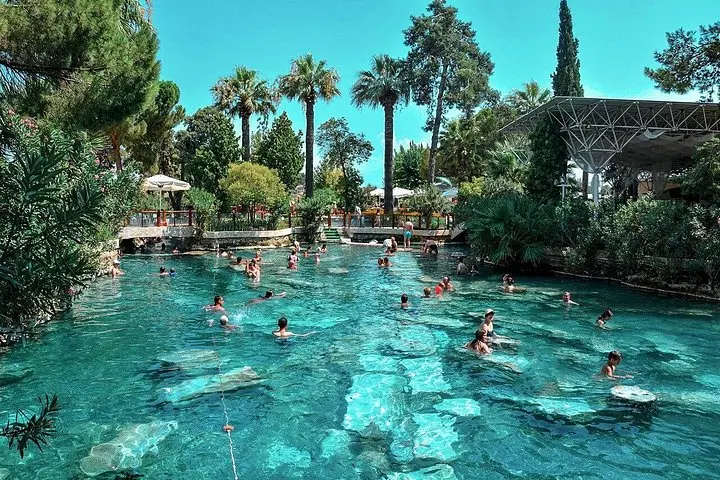
Practicalities matter: bring sun protection and water, wear shoes that dry quickly or plan to carry sandals for terraces, and check whether entrance fees or swims in Cleopatra’s Antique Pool are included. Tours typically return to Kusadasi in the evening; the day suits travelers who want a blend of geology, archaeology and a tactile encounter with a landscape shaped by water.
For photographers and history fans alike, Pamukkale offers immediate visuals and layered stories — a place where geology still moves at human pace and ancient stones invite careful exploration.
Expect about 3 hours each way by road on a typical coach route, making this a full-day excursion.
Visitors may walk in designated areas and some shallow pools; rules change to protect the travertine, so follow site signs and your guide’s instructions.
Swimming on the terraces themselves is generally restricted; Cleopatra’s Antique Pool permits swimming for a separate fee and often requires an extra ticket.
Not always—check your tour confirmation: many operators exclude site admissions and special-fee swims from the base price.
Turkey Travel Mart operates guided outdoor trips and adventures with an emphasis on safety, stewardship, and memorable experiences.
The first light of day turns the travertine steps of Pamukkale into a hard-edged white map; visitors step carefully, toes testing warm, mineral-rich water that laps the rim of shallow pools. On a small-group day trip from Kusadasi you cross Anatolia into a landscape where hot springs have, over millennia, painted terraces of calcium carbonate and fed a spa culture that ancient Romans prized.
The first light of day turns the travertine steps of Pamukkale into a hard-edged white map; visitors step carefully, toes testing warm, mineral-rich water that laps the rim of shallow pools. On a small-group day trip from Kusadasi you cross Anatolia into a landscape where hot springs have, over millennia, painted terraces of calcium carbonate and fed a spa culture that ancient Romans prized.
Geology here is literal history: thermal waters rising through limestone deposit travertine that builds the terraces visitors see today. Above the terraces lie the ruins of Hierapolis, founded as a sacred spa town in the Hellenistic period and expanded under Rome — a theater, necropolis and colonnaded streets that still hold carved tombs and echo with footfall.
Culture and modern life thread through the site: local guides translate inscriptions, small cafés sell tea, and the village of Pamukkale near Denizli serves as the practical base. Expect a long but rewarding day — driving across changing Anatolian plains, then hours of walking on uneven stone and in shallow water.
Practicalities matter: bring sun protection and water, wear shoes that dry quickly or plan to carry sandals for terraces, and check whether entrance fees or swims in Cleopatra’s Antique Pool are included. Tours typically return to Kusadasi in the evening; the day suits travelers who want a blend of geology, archaeology and a tactile encounter with a landscape shaped by water.
For photographers and history fans alike, Pamukkale offers immediate visuals and layered stories — a place where geology still moves at human pace and ancient stones invite careful exploration.