THE ADVENTURE COLLECTIVE® · Independent discovery and booking for outdoor travel

Explore Panaji’s Portuguese-era streets, the grand churches of Old Goa, and a working spice plantation in one accessible day. This guided tour combines short walks, local food, and botanical insight—ideal for a full-day shore or hotel departure.
Explore Panaji’s Portuguese-era streets, the grand churches of Old Goa, and a working spice plantation in one accessible day. This guided tour combines short walks, local food, and botanical insight—ideal for a full-day shore or hotel departure.
Morning light skims the Mandovi; Panaji wakes with baroque facades and palm-lined promenades. This full-day loop pushes from the capital’s compact colonial quarter into Old Goa’s monumental churches, and then out to a working spice plantation where soil and story meet.
Verified experiences and guided adventures in the surrounding area.
Operated by Crossmiles Travel Pvt. Ltd. · Panaji, Goa
Morning light skims the Mandovi; Panaji wakes with baroque facades and palm-lined promenades. This full-day loop pushes from the capital’s compact colonial quarter into Old Goa’s monumental churches, and then out to a working spice plantation where soil and story meet.
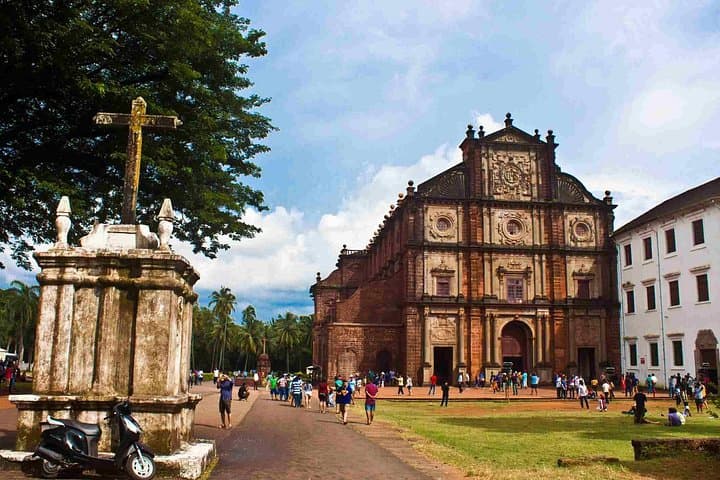
Panjim (Panaji) grew under Portuguese rule; its Fontainhas quarter still carries narrow streets, red-tiled roofs and painted balconies that recall 18th-century urban life. A short drive east brings you to Velha Goa, the former seat of Portuguese India, where the Basilica of Bom Jesus and Se Cathedral show limestone, domes and bell towers shaped by transoceanic trade.
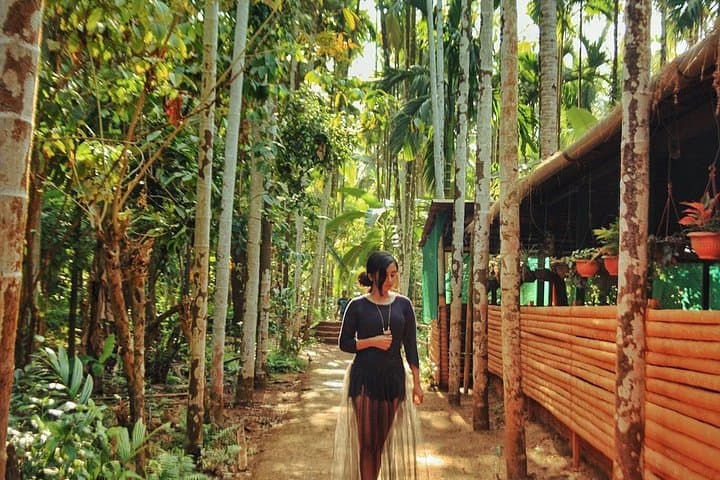
Geology here is coastal laterite and riverine plain—soft red soils that support coconut groves and the small-holder spice gardens of Ponda taluka. The spice plantation segment showcases cloves, pepper, cinnamon and cardamom—plants that propelled Goa’s early global connections and sustained local livelihoods.
Expect mostly easy walking: cobbled lanes in Fontainhas, flat churchyards and shaded plantation paths. Guides usually provide herbal tea and a traditional lunch on banana leaf at the plantation; transportation is included. Plan for six to eight hours, with moments of standing and brief stair sections at historic churches.
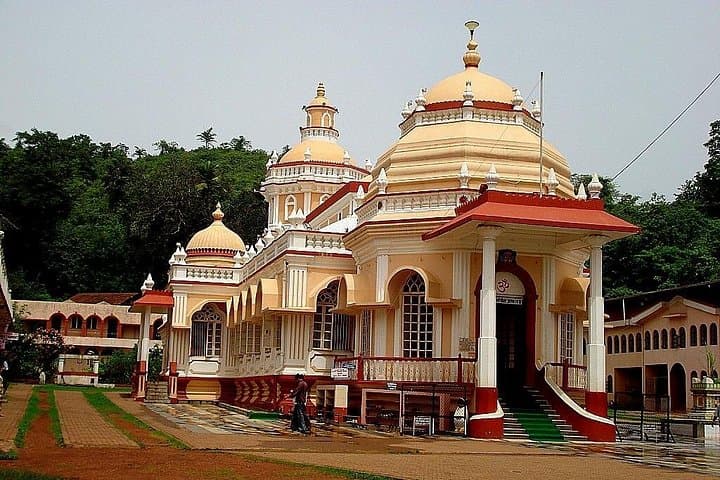
Practical tips: start early to avoid mid-day heat, carry a hat and water, and wear shoes with good grip for cobbles. Respect dress codes at temples and churches—shoulders and knees covered—and keep plastic use low while visiting fragile sites. The tour balances cultural depth with accessible logistics, making it a solid single-day introduction to Goa’s layered history and living landscapes.
Yes—shore excursions run on a shared basis from the port; FIT bookings use private transfers from hotels or the airport as specified.
Access to visible church sites is generally included in the visit; the spice plantation visit and lunch are included per the itinerary.
The tour is rated easy and suitable for most ages, but it’s not recommended for travelers with serious spinal, heart, or pregnancy-related restrictions noted by the operator.
Vegetarian options are typically available; note any allergies or dietary needs when booking so the operator can advise the plantation kitchen.
Crossmiles Travel Pvt. Ltd. operates guided outdoor trips and adventures with an emphasis on safety, stewardship, and memorable experiences.
Morning light skims the Mandovi; Panaji wakes with baroque facades and palm-lined promenades. This full-day loop pushes from the capital’s compact colonial quarter into Old Goa’s monumental churches, and then out to a working spice plantation where soil and story meet.
Morning light skims the Mandovi; Panaji wakes with baroque facades and palm-lined promenades. This full-day loop pushes from the capital’s compact colonial quarter into Old Goa’s monumental churches, and then out to a working spice plantation where soil and story meet.
Panjim (Panaji) grew under Portuguese rule; its Fontainhas quarter still carries narrow streets, red-tiled roofs and painted balconies that recall 18th-century urban life. A short drive east brings you to Velha Goa, the former seat of Portuguese India, where the Basilica of Bom Jesus and Se Cathedral show limestone, domes and bell towers shaped by transoceanic trade.
Geology here is coastal laterite and riverine plain—soft red soils that support coconut groves and the small-holder spice gardens of Ponda taluka. The spice plantation segment showcases cloves, pepper, cinnamon and cardamom—plants that propelled Goa’s early global connections and sustained local livelihoods.
Expect mostly easy walking: cobbled lanes in Fontainhas, flat churchyards and shaded plantation paths. Guides usually provide herbal tea and a traditional lunch on banana leaf at the plantation; transportation is included. Plan for six to eight hours, with moments of standing and brief stair sections at historic churches.
Practical tips: start early to avoid mid-day heat, carry a hat and water, and wear shoes with good grip for cobbles. Respect dress codes at temples and churches—shoulders and knees covered—and keep plastic use low while visiting fragile sites. The tour balances cultural depth with accessible logistics, making it a solid single-day introduction to Goa’s layered history and living landscapes.