THE ADVENTURE COLLECTIVE® · Independent discovery and booking for outdoor travel

Board a small boat from Gamboa and cruise Lake Gatun for intimate encounters with capuchins, howlers and the canal’s working vessels. This concise guide covers what to expect, when to go and how to prepare for the Monkey Islands trip.
Board a small boat from Gamboa and cruise Lake Gatun for intimate encounters with capuchins, howlers and the canal’s working vessels. This concise guide covers what to expect, when to go and how to prepare for the Monkey Islands trip.
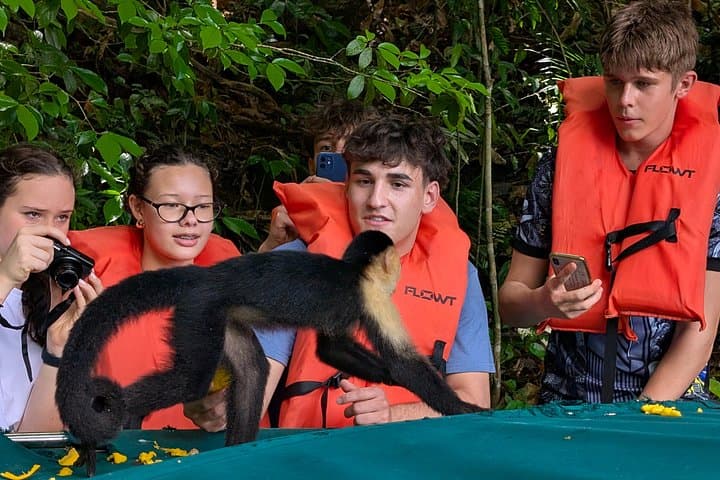
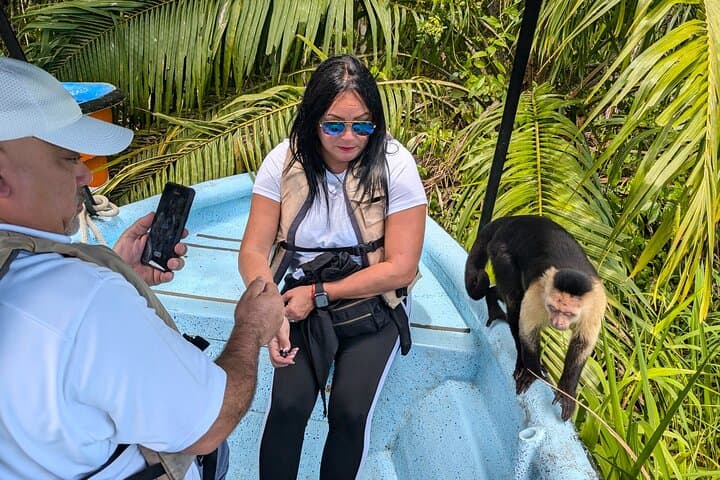
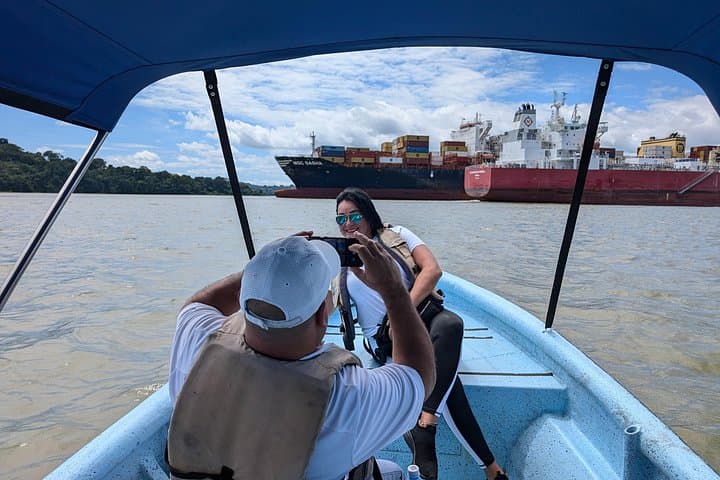
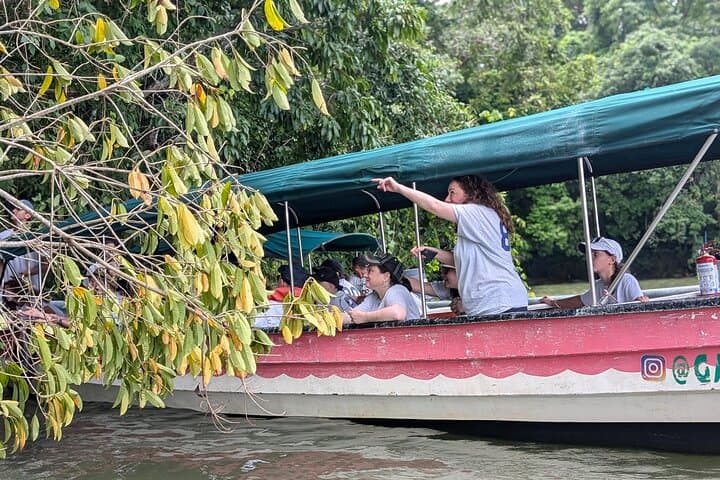
The boat parts the brown-green water just after dawn, the Chagres River handing you over to Lake Gatun as her surface tightens into a quiet highway. Mangrove roots reach like fingers; troops of monkeys watch from the canopy, chirping or yawning as the craft draws near. The canal’s traffic—huge freighters and tugboats—moves with an indifferent, industrial grace, a reminder that this landscape is both wild and engineered.
Verified experiences and guided adventures in the surrounding area.
Operated by Panama All about · Gamboa, Panamá Province
The boat parts the brown-green water just after dawn, the Chagres River handing you over to Lake Gatun as her surface tightens into a quiet highway. Mangrove roots reach like fingers; troops of monkeys watch from the canopy, chirping or yawning as the craft draws near. The canal’s traffic—huge freighters and tugboats—moves with an indifferent, industrial grace, a reminder that this landscape is both wild and engineered.
This stretch of water is man-made: Gatun Lake rose when the Chagres was dammed during the early 20th-century construction of the Panama Canal, creating islands that now harbor capuchins, howlers and tamarins. Gamboa, founded around 1910, still shows steel and concrete relics of canal maintenance alongside rain forest regrowth. Local guides often mix natural history, canal lore and practical notes about seasonal river levels and bird migrations.
On a private or small-group boat you'll spend about four hours between hotel pickup, a scenic run past canal infrastructure, and an hour among the so-called Monkey Islands. Expect close-up wildlife viewing (binoculars help), short bursts of photography, and briefing from bilingual guides. Morning trips give calmer water and active animals; afternoons bring heat and more insects.
Practical tips: wear a brimmed hat and reef-safe sunscreen, bring insect repellent and a light rain layer, secure camera gear against spray, and follow the guide’s lead—do not feed wildlife. The experience balances quiet rainforest observation with the raw presence of a global shipping route; it’s an education in how human engineering and tropical ecology coexist.
Monkeys are commonly seen but sightings vary with time of day, weather and recent human activity; mornings offer the best odds.
Yes—infants may sit on laps; operators often recommend careful supervision and sun/insect protection for young children.
Guides aim for respectful distances; close interactions can occur when animals approach shorelines, but feeding or chasing wildlife is discouraged.
Most bookings include hotel pickup in Panama City and the boat departs near Gamboa on the Chagres River or a Gatun Lake dock, depending on the operator.
Panama All about operates guided outdoor trips and adventures with an emphasis on safety, stewardship, and memorable experiences.
The boat parts the brown-green water just after dawn, the Chagres River handing you over to Lake Gatun as her surface tightens into a quiet highway. Mangrove roots reach like fingers; troops of monkeys watch from the canopy, chirping or yawning as the craft draws near. The canal’s traffic—huge freighters and tugboats—moves with an indifferent, industrial grace, a reminder that this landscape is both wild and engineered.
The boat parts the brown-green water just after dawn, the Chagres River handing you over to Lake Gatun as her surface tightens into a quiet highway. Mangrove roots reach like fingers; troops of monkeys watch from the canopy, chirping or yawning as the craft draws near. The canal’s traffic—huge freighters and tugboats—moves with an indifferent, industrial grace, a reminder that this landscape is both wild and engineered.
This stretch of water is man-made: Gatun Lake rose when the Chagres was dammed during the early 20th-century construction of the Panama Canal, creating islands that now harbor capuchins, howlers and tamarins. Gamboa, founded around 1910, still shows steel and concrete relics of canal maintenance alongside rain forest regrowth. Local guides often mix natural history, canal lore and practical notes about seasonal river levels and bird migrations.
On a private or small-group boat you'll spend about four hours between hotel pickup, a scenic run past canal infrastructure, and an hour among the so-called Monkey Islands. Expect close-up wildlife viewing (binoculars help), short bursts of photography, and briefing from bilingual guides. Morning trips give calmer water and active animals; afternoons bring heat and more insects.
Practical tips: wear a brimmed hat and reef-safe sunscreen, bring insect repellent and a light rain layer, secure camera gear against spray, and follow the guide’s lead—do not feed wildlife. The experience balances quiet rainforest observation with the raw presence of a global shipping route; it’s an education in how human engineering and tropical ecology coexist.