THE ADVENTURE COLLECTIVE® · Independent discovery and booking for outdoor travel

Combine an up-close look at giant ships moving through Miraflores Locks with a guided visit to capuchins and sloth sanctuaries outside Panama City. This 6–7 hour day tour mixes engineering history with rainforest wildlife viewing—ideal for travelers who want both spectacle and soft-canopy encounters.
Combine an up-close look at giant ships moving through Miraflores Locks with a guided visit to capuchins and sloth sanctuaries outside Panama City. This 6–7 hour day tour mixes engineering history with rainforest wildlife viewing—ideal for travelers who want both spectacle and soft-canopy encounters.
You step onto the Miraflores observation deck as a bulk carrier eases into the lock chambers, metal plates groaning and water lifting it like a giant, deliberate tide. The air smells faintly of diesel and wet concrete; voices from the visitor center mix with the distant chatter of birds. Later, in low-canopy forest, capuchins flit between branches and a slow-eyed sloth regards the world with deliberate curiosity.
Verified experiences and guided adventures in the surrounding area.
Operated by Tour’s & More PTY · Panama City, Panamá Province
You step onto the Miraflores observation deck as a bulk carrier eases into the lock chambers, metal plates groaning and water lifting it like a giant, deliberate tide. The air smells faintly of diesel and wet concrete; voices from the visitor center mix with the distant chatter of birds. Later, in low-canopy forest, capuchins flit between branches and a slow-eyed sloth regards the world with deliberate curiosity.
This full-day excursion pairs two of Panama’s defining experiences: human engineering at the Panama Canal’s Miraflores Locks and close-range wildlife encounters at nearby sanctuaries. The Canal—completed in 1914 after French and American efforts—redefined global trade and left a concrete spine through tropical lowlands. The surrounding forests are riverine and secondary growth, geologically recent alluvium cut by the Chagres River, which feeds the Canal system.
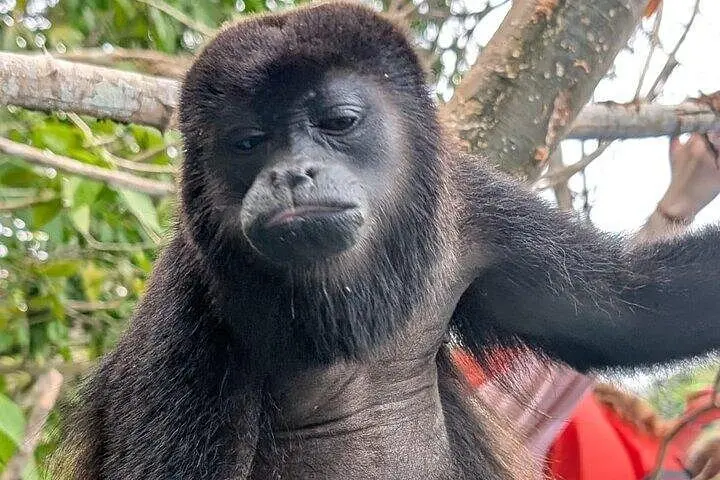
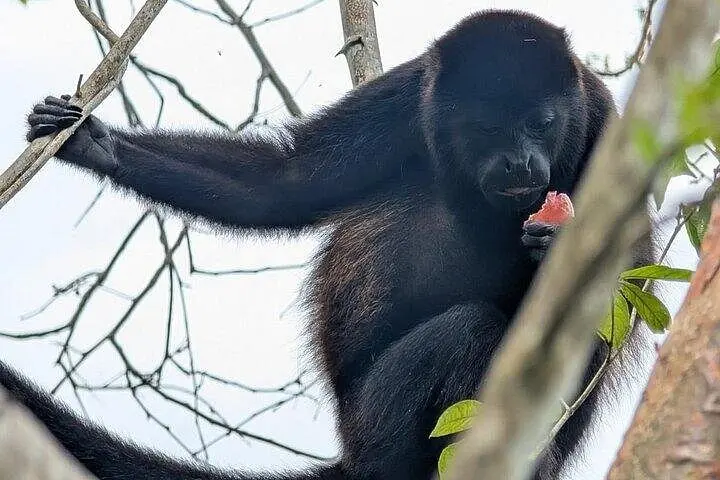
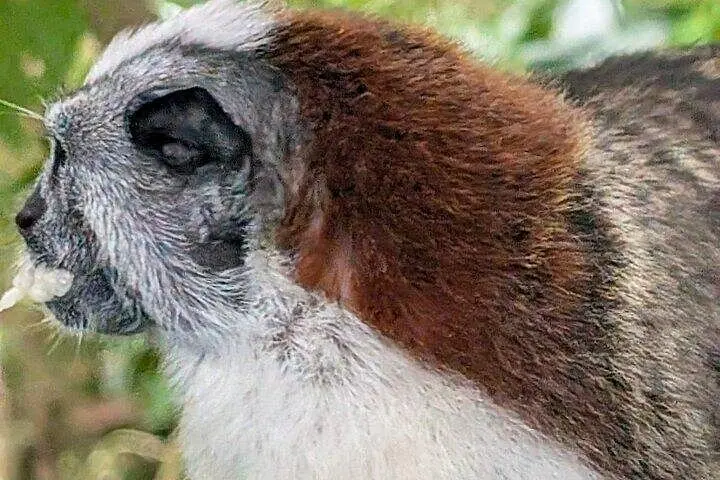
Culturally, visitors pass through a blend of modern Panama City and communities shaped by Canal-era migration; expect Spanish signage, roadside vendors, and a pragmatic approach to tourism. The itinerary often includes a short IMAX-style film on Canal history (noted for a Morgan Freeman narration on some programs) and guided time with white-faced capuchins, howler monkeys, and rehabilitated sloths at local rescue sites.
Practical guidance: plan for a 6–7 hour outing with moderate walking on paved decks and forest trails. Bring local currency for sanctuary admissions (typically paid on-site), a rain layer, sun protection, and a zoom lens or binoculars. Mornings are cooler and better for wildlife; afternoons are prime for lock transits. Respect enclosure rules, keep distance from animals, and follow guides’ instructions to support conservation outcomes.
Admissions are typically not included; itineraries indicate an on-site fee (often paid to the driver)—carry local currency for entry.
Expect a 6–7 hour tour with round-trip transport from central Panama City; confirm pickup location when booking.
Wildlife sightings are common but not guaranteed—sanctuaries house habituated animals, increasing viewing odds, while wild individuals follow natural patterns.
Yes—this excursion is described as suitable for all fitness levels, though some walking and steps at observation decks are required.
Tour’s & More PTY operates guided outdoor trips and adventures with an emphasis on safety, stewardship, and memorable experiences.

You step onto the Miraflores observation deck as a bulk carrier eases into the lock chambers, metal plates groaning and water lifting it like a giant, deliberate tide. The air smells faintly of diesel and wet concrete; voices from the visitor center mix with the distant chatter of birds. Later, in low-canopy forest, capuchins flit between branches and a slow-eyed sloth regards the world with deliberate curiosity.
You step onto the Miraflores observation deck as a bulk carrier eases into the lock chambers, metal plates groaning and water lifting it like a giant, deliberate tide. The air smells faintly of diesel and wet concrete; voices from the visitor center mix with the distant chatter of birds. Later, in low-canopy forest, capuchins flit between branches and a slow-eyed sloth regards the world with deliberate curiosity.
This full-day excursion pairs two of Panama’s defining experiences: human engineering at the Panama Canal’s Miraflores Locks and close-range wildlife encounters at nearby sanctuaries. The Canal—completed in 1914 after French and American efforts—redefined global trade and left a concrete spine through tropical lowlands. The surrounding forests are riverine and secondary growth, geologically recent alluvium cut by the Chagres River, which feeds the Canal system.
Culturally, visitors pass through a blend of modern Panama City and communities shaped by Canal-era migration; expect Spanish signage, roadside vendors, and a pragmatic approach to tourism. The itinerary often includes a short IMAX-style film on Canal history (noted for a Morgan Freeman narration on some programs) and guided time with white-faced capuchins, howler monkeys, and rehabilitated sloths at local rescue sites.
Practical guidance: plan for a 6–7 hour outing with moderate walking on paved decks and forest trails. Bring local currency for sanctuary admissions (typically paid on-site), a rain layer, sun protection, and a zoom lens or binoculars. Mornings are cooler and better for wildlife; afternoons are prime for lock transits. Respect enclosure rules, keep distance from animals, and follow guides’ instructions to support conservation outcomes.