THE ADVENTURE COLLECTIVE® · Independent discovery and booking for outdoor travel

Board the M/V Pacific Queen at Flamenco Marina and witness the Panama Canal’s lock operations up close. This southbound partial transit includes the Gaillard Cut, Pedro Miguel and Miraflores Locks, and close-up views of canal engineering and local wildlife.
Board the M/V Pacific Queen at Flamenco Marina and witness the Panama Canal’s lock operations up close. This southbound partial transit includes the Gaillard Cut, Pedro Miguel and Miraflores Locks, and close-up views of canal engineering and local wildlife.
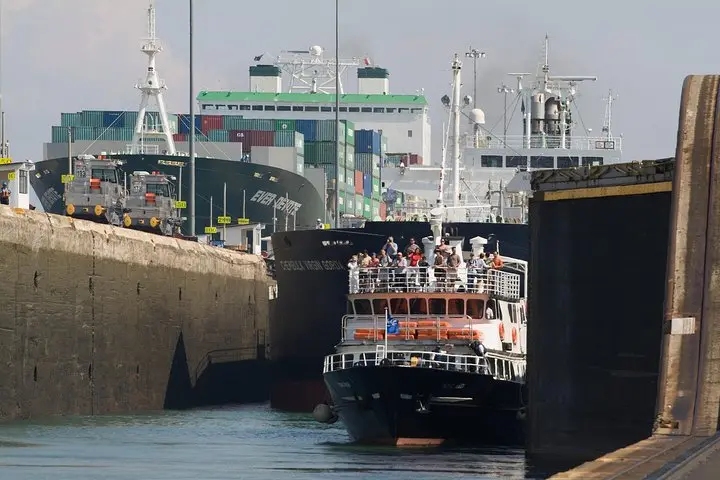
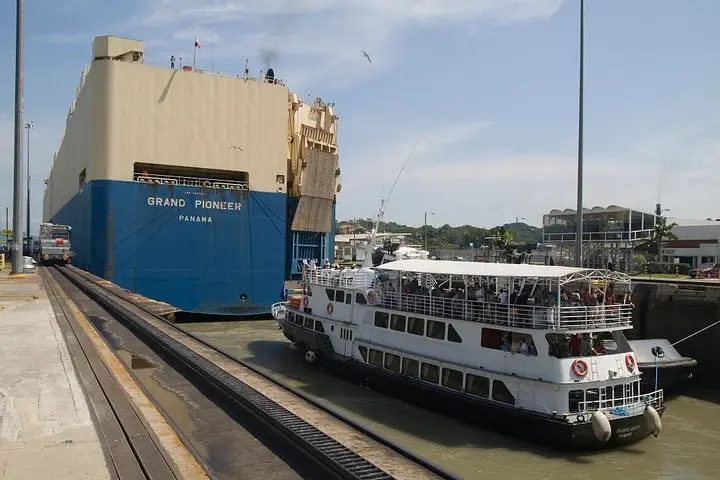
The Pacific horizon opens as the M/V Pacific Queen slips away from Flamenco Marina, and immediately the work of the canal asserts itself: gates groan, water levels change, and the ship becomes part of a century-old choreography.
Verified experiences and guided adventures in the surrounding area.
Operated by Panama Marine Adventures · Panama City, Panama Province
The Pacific horizon opens as the M/V Pacific Queen slips away from Flamenco Marina, and immediately the work of the canal asserts itself: gates groan, water levels change, and the ship becomes part of a century-old choreography.
This southbound partial transit threads the Gailard (Culebra) Cut, a carved corridor through the continental divide where geology meets engineering. You’ll watch the vessel move through Pedro Miguel Locks, cross Miraflores Lake, and finish with the final lowering at Miraflores Locks before returning to the Pacific-side marina. The route exposes Panama’s layered history—from indigenous trade routes to the bold 19th- and 20th-century projects that reshaped global shipping—and the canal’s living infrastructure: pilots, lock tenders, and tugboats coordinating every move.
The Cut itself reveals volcanic and sedimentary formations and a rainforest fringe where birds and howler monkeys punctuate the mechanical hum. Cultural notes arrive in port towns and the Amador Causeway: seafood vendors, shipping-line flags, and a mix of Spanish and Afro-Caribbean influences that shaped canal communities.
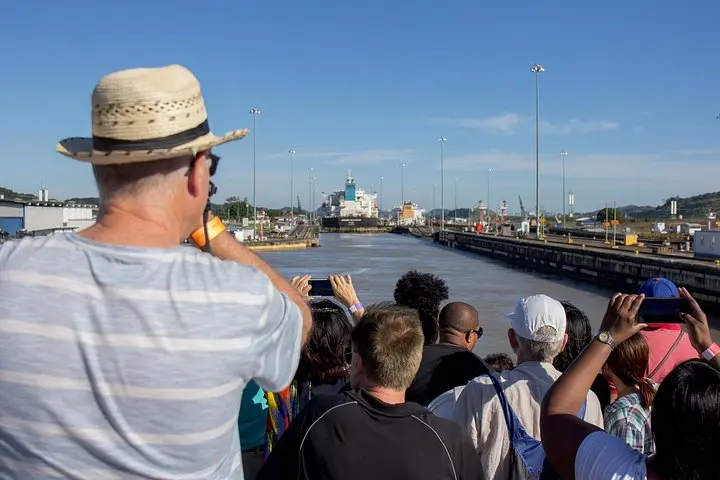
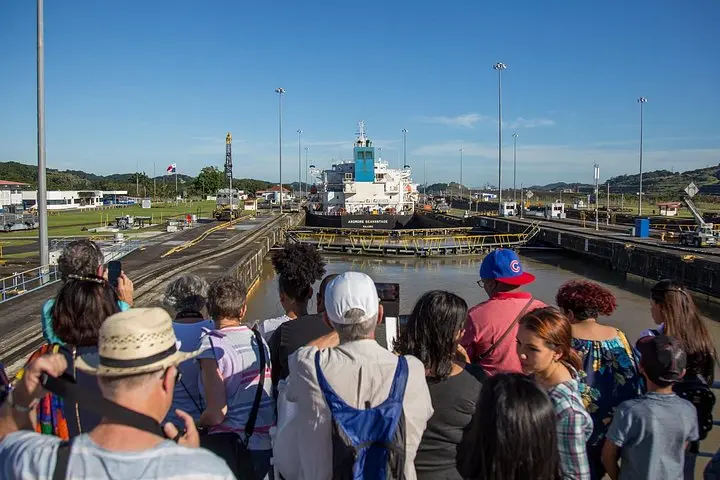
Practical guidance: check-in is at Flamenco Marina and final boarding details are emailed the day before. Dress for sun and sudden spray—light layers, a brimmed hat, and a windbreaker are smart. Bring binoculars for close views of lock operations and cruise-ship scale, and consider motion-sickness prevention if you’re prone to queasy seas. Cameras are essential; the bridge visit and open deck offer prime photo opportunities. The tour is low-impact physically but rich in engineering, nature, and history—ideal for travelers who want an up-close lesson in one of the world’s most important waterways.
The tour runs about 360 minutes (approximately 5–6 hours) and includes transportation from Flamenco Marina, a guided boat transit with commentary, lunch, bottled water and sodas.
Yes; the itinerary passes through Pedro Miguel and Miraflores Locks, offering close views of lock filling, gate movement, and the pilots at work from the vessel and open bridge.
The tour is rated physically easy and allows strollers for infants; however, guests must be able to board a coach and the boat—contact the operator if you need accessibility assistance.
For local residents a photo ID is usually sufficient, but international visitors should bring their passport. Final boarding details are confirmed the day before—check your email.
Panama Marine Adventures operates guided outdoor trips and adventures with an emphasis on safety, stewardship, and memorable experiences.
The Pacific horizon opens as the M/V Pacific Queen slips away from Flamenco Marina, and immediately the work of the canal asserts itself: gates groan, water levels change, and the ship becomes part of a century-old choreography.
The Pacific horizon opens as the M/V Pacific Queen slips away from Flamenco Marina, and immediately the work of the canal asserts itself: gates groan, water levels change, and the ship becomes part of a century-old choreography.
This southbound partial transit threads the Gailard (Culebra) Cut, a carved corridor through the continental divide where geology meets engineering. You’ll watch the vessel move through Pedro Miguel Locks, cross Miraflores Lake, and finish with the final lowering at Miraflores Locks before returning to the Pacific-side marina. The route exposes Panama’s layered history—from indigenous trade routes to the bold 19th- and 20th-century projects that reshaped global shipping—and the canal’s living infrastructure: pilots, lock tenders, and tugboats coordinating every move.
The Cut itself reveals volcanic and sedimentary formations and a rainforest fringe where birds and howler monkeys punctuate the mechanical hum. Cultural notes arrive in port towns and the Amador Causeway: seafood vendors, shipping-line flags, and a mix of Spanish and Afro-Caribbean influences that shaped canal communities.
Practical guidance: check-in is at Flamenco Marina and final boarding details are emailed the day before. Dress for sun and sudden spray—light layers, a brimmed hat, and a windbreaker are smart. Bring binoculars for close views of lock operations and cruise-ship scale, and consider motion-sickness prevention if you’re prone to queasy seas. Cameras are essential; the bridge visit and open deck offer prime photo opportunities. The tour is low-impact physically but rich in engineering, nature, and history—ideal for travelers who want an up-close lesson in one of the world’s most important waterways.