THE ADVENTURE COLLECTIVE® · Independent discovery and booking for outdoor travel

A compact two-day trek from Pokhara to the Panchase ridge delivers sunrise views over the Annapurna and Dhaulagiri ranges, simple tea-house stays, and a taste of Gurung hill culture. Expect steep morning climbs, forested ridgelines, and panoramic mountain mornings.
A compact two-day trek from Pokhara to the Panchase ridge delivers sunrise views over the Annapurna and Dhaulagiri ranges, simple tea-house stays, and a taste of Gurung hill culture. Expect steep morning climbs, forested ridgelines, and panoramic mountain mornings.
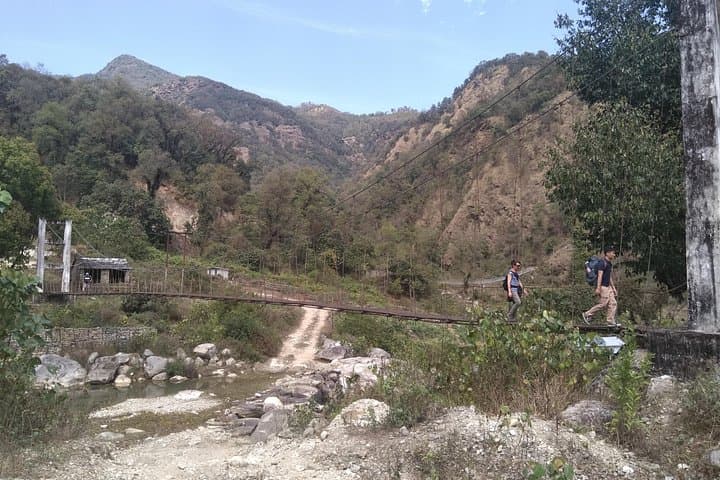
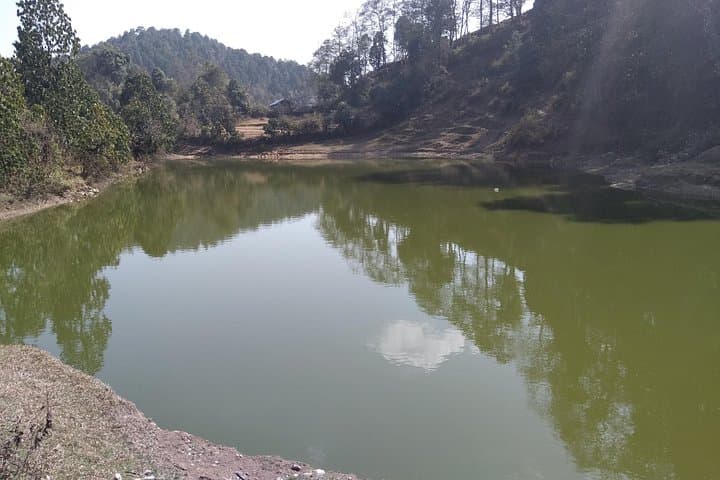
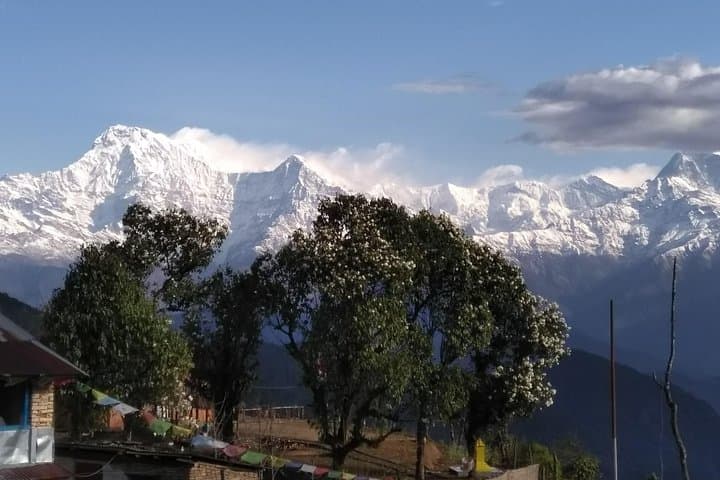
Dawn breaks over a ridgeline and the Annapurna massif pushes color into the sky — you stand on Panchase and the mountains answer. The first day moves from Lakeside Pokhara up a quiet road to Kande, then onto a steady climb through terraced farmland and mixed forest to a tea-house in Bhanjyang (≈2,000 m). On day two an early start brings the short, stiff push to Panchase top (≈2,500 m) for a sunrise that lays the Annapurna and Dhaulagiri ranges like pages in a book. Wind and light do the heavy lifting; the trail asks for steady feet and patience.
Verified experiences and guided adventures in the surrounding area.
Operated by Dadhi Ram Thapa · Pokhara, Gandaki Province
Dawn breaks over a ridgeline and the Annapurna massif pushes color into the sky — you stand on Panchase and the mountains answer. The first day moves from Lakeside Pokhara up a quiet road to Kande, then onto a steady climb through terraced farmland and mixed forest to a tea-house in Bhanjyang (≈2,000 m). On day two an early start brings the short, stiff push to Panchase top (≈2,500 m) for a sunrise that lays the Annapurna and Dhaulagiri ranges like pages in a book. Wind and light do the heavy lifting; the trail asks for steady feet and patience.
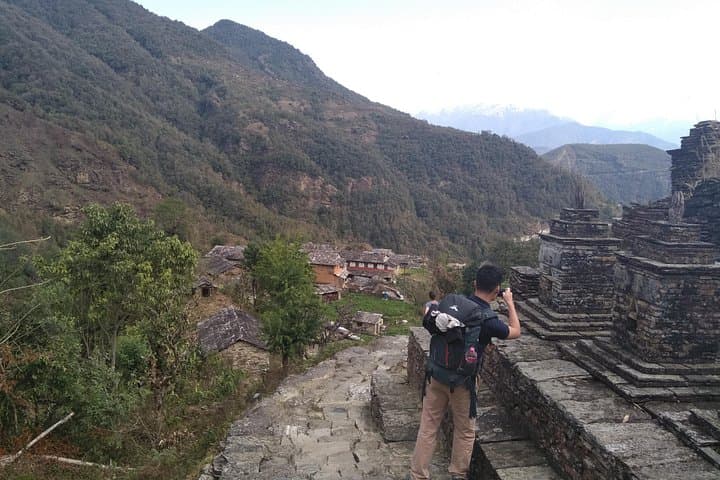
Geologically Panchase sits on the southern fringe of the Himalaya, where uplifted sedimentary beds form rounded ridges and fertile valleys. The area is culturally Gurung and Magar country; small hill temples and prayer flags mark routes that have been used for generations by pilgrims and shepherds. Tea houses along the way offer simple meals and a chance to hear local stories around a wood stove.
Practically: expect mostly compact dirt and stone trails with intermittent stair sections, about 5 hours of walking each day and a max elevation near 2,500 m. Weather can flip quickly—sun in the morning, mist by midday—so layer and carry rain protection. Hydrate before the ascent, bring small Nepali rupee notes for tea-house purchases, and allow time for the sunrise at the summit. Guides are common and helpful for navigation and local insight; if you go self-guided, move early and stick to the main ridge lines.
A guide is not strictly required on the main Panchase route, but local guides improve logistics, teach you about sites, and are useful if visibility is poor.
Tea houses are basic: shared dorms or twin rooms, simple hot meals, and limited hot water—adequate for short treks but not luxe.
Spring (March–May) and autumn (September–November) offer the clearest mountain views and stable weather; monsoon (June–August) brings heavy rain and winter can be cold and snowy at higher elevations.
Panchase reaches about 2,500 m, where mild symptoms are possible; ascend slowly, hydrate, and descend if symptoms worsen.
Dadhi Ram Thapa operates guided outdoor trips and adventures with an emphasis on safety, stewardship, and memorable experiences.
Dawn breaks over a ridgeline and the Annapurna massif pushes color into the sky — you stand on Panchase and the mountains answer. The first day moves from Lakeside Pokhara up a quiet road to Kande, then onto a steady climb through terraced farmland and mixed forest to a tea-house in Bhanjyang (≈2,000 m). On day two an early start brings the short, stiff push to Panchase top (≈2,500 m) for a sunrise that lays the Annapurna and Dhaulagiri ranges like pages in a book. Wind and light do the heavy lifting; the trail asks for steady feet and patience.
Dawn breaks over a ridgeline and the Annapurna massif pushes color into the sky — you stand on Panchase and the mountains answer. The first day moves from Lakeside Pokhara up a quiet road to Kande, then onto a steady climb through terraced farmland and mixed forest to a tea-house in Bhanjyang (≈2,000 m). On day two an early start brings the short, stiff push to Panchase top (≈2,500 m) for a sunrise that lays the Annapurna and Dhaulagiri ranges like pages in a book. Wind and light do the heavy lifting; the trail asks for steady feet and patience.
Geologically Panchase sits on the southern fringe of the Himalaya, where uplifted sedimentary beds form rounded ridges and fertile valleys. The area is culturally Gurung and Magar country; small hill temples and prayer flags mark routes that have been used for generations by pilgrims and shepherds. Tea houses along the way offer simple meals and a chance to hear local stories around a wood stove.
Practically: expect mostly compact dirt and stone trails with intermittent stair sections, about 5 hours of walking each day and a max elevation near 2,500 m. Weather can flip quickly—sun in the morning, mist by midday—so layer and carry rain protection. Hydrate before the ascent, bring small Nepali rupee notes for tea-house purchases, and allow time for the sunrise at the summit. Guides are common and helpful for navigation and local insight; if you go self-guided, move early and stick to the main ridge lines.