THE ADVENTURE COLLECTIVE® · Independent discovery and booking for outdoor travel

A seven-day circuit rising from Pokhara into oak and rhododendron forest, the Panchase Trek combines broad Himalayan views with Gurung homestays. Expect steady climbs, stone trails, and mornings that open into sweeping vistas of Annapurna and Dhaulagiri.
A seven-day circuit rising from Pokhara into oak and rhododendron forest, the Panchase Trek combines broad Himalayan views with Gurung homestays. Expect steady climbs, stone trails, and mornings that open into sweeping vistas of Annapurna and Dhaulagiri.
Morning mist lifts off terraced fields and the low ridgeline of Panchase reveals a slice of Himalaya — Annapurna and Dhaulagiri peaks edged in cold light. The route threads small Gurung villages, stone steps, rhododendron forest and open pastures where prayer flags snap like pages in the wind. Walkers move from lakeside Pokhara up forested slopes into clear viewpoints that reward steady climbing with wide, alpine panoramas.
Verified experiences and guided adventures in the surrounding area.
Operated by Hiking Adventure Treks · Pokhara, Gandaki Province
Morning mist lifts off terraced fields and the low ridgeline of Panchase reveals a slice of Himalaya — Annapurna and Dhaulagiri peaks edged in cold light. The route threads small Gurung villages, stone steps, rhododendron forest and open pastures where prayer flags snap like pages in the wind. Walkers move from lakeside Pokhara up forested slopes into clear viewpoints that reward steady climbing with wide, alpine panoramas.
Geology here is young Himalayan: folded sedimentary and metamorphic rock carved by glaciers and rivers, creating steep ridgelines and fertile valley benches that support mixed oak and rhododendron stands. Culturally the trail is lived-in; homestays introduce Nepali hospitality and Gurung traditions — simple meals, wooden porches and stories about local deities who watch the passes. The trek is also practical: paths are a mix of dirt tracks and stone staircases, with daily stages often of 4–6 hours and the highest camping or homestay near 2,500 m.
For planning, expect moderate altitude change (several 400–900 m ascents on key days), variable weather — clear mornings and sudden showers — and limited services between villages. Bring layered clothing, a reliable rain shell, and a headlamp for evening homestays. Hydrate steadily; buy water or treat it in villages. Favor early starts for calm air and best light for photography. Accommodation is basic but comfortable: homestays provide meals and a warm place to sleep. The Panchase Trek is an accessible multi-day route that pairs mountain views with genuine village life — a practical, scenic alternative to busier Annapurna trails.
No special trekking permits like ACAP or TIMS are normally required for Panchase; standard entry fees or local conservation contributions may apply—confirm with your operator.
The trek is rated moderate; basic hiking fitness and experience with multi-day walks is recommended, but technical climbing experience is not required.
Accommodation is homestay-style in local houses with shared rooms and simple amenities; meals are home-cooked Nepali food with tea available most times.
Spring (March–May) and fall (September–November) offer the clearest views and stable weather; avoid peak monsoon months for heavy rain and slippery trails.
Hiking Adventure Treks operates guided outdoor trips and adventures with an emphasis on safety, stewardship, and memorable experiences.
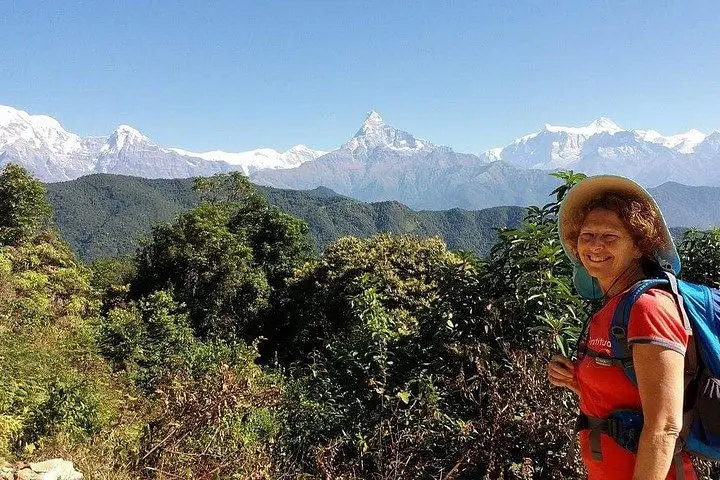
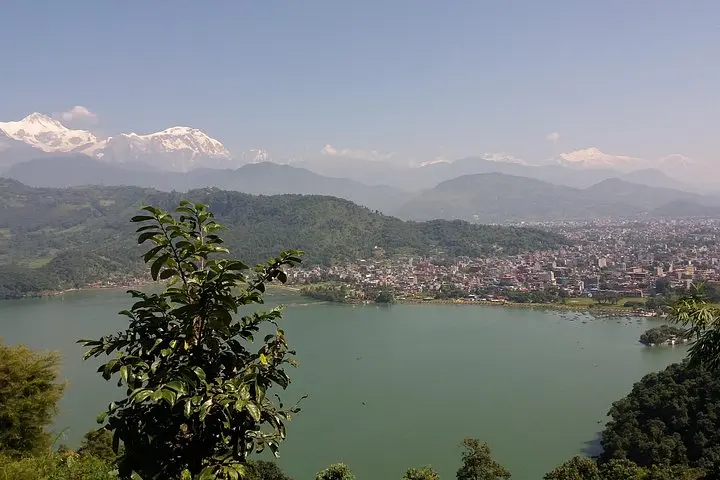
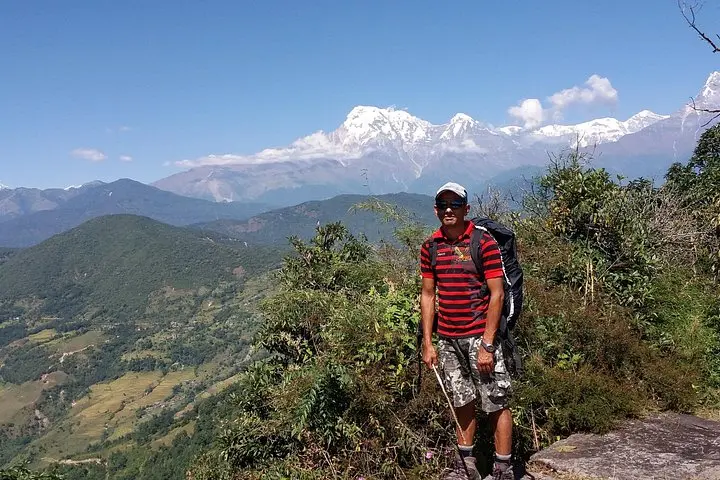
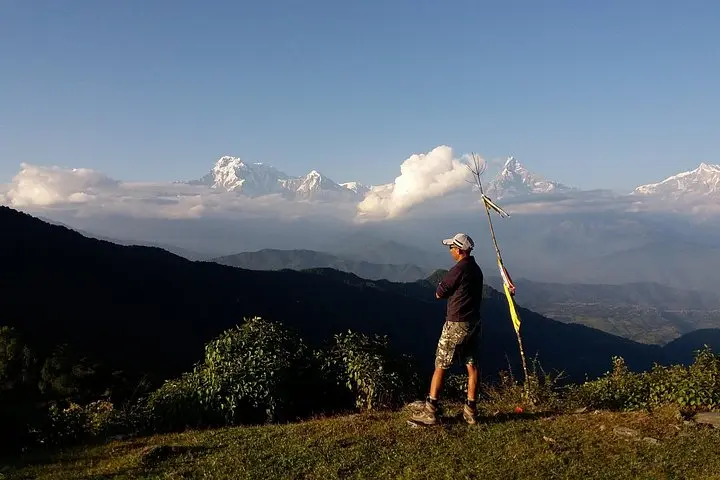
Morning mist lifts off terraced fields and the low ridgeline of Panchase reveals a slice of Himalaya — Annapurna and Dhaulagiri peaks edged in cold light. The route threads small Gurung villages, stone steps, rhododendron forest and open pastures where prayer flags snap like pages in the wind. Walkers move from lakeside Pokhara up forested slopes into clear viewpoints that reward steady climbing with wide, alpine panoramas.
Morning mist lifts off terraced fields and the low ridgeline of Panchase reveals a slice of Himalaya — Annapurna and Dhaulagiri peaks edged in cold light. The route threads small Gurung villages, stone steps, rhododendron forest and open pastures where prayer flags snap like pages in the wind. Walkers move from lakeside Pokhara up forested slopes into clear viewpoints that reward steady climbing with wide, alpine panoramas.
Geology here is young Himalayan: folded sedimentary and metamorphic rock carved by glaciers and rivers, creating steep ridgelines and fertile valley benches that support mixed oak and rhododendron stands. Culturally the trail is lived-in; homestays introduce Nepali hospitality and Gurung traditions — simple meals, wooden porches and stories about local deities who watch the passes. The trek is also practical: paths are a mix of dirt tracks and stone staircases, with daily stages often of 4–6 hours and the highest camping or homestay near 2,500 m.
For planning, expect moderate altitude change (several 400–900 m ascents on key days), variable weather — clear mornings and sudden showers — and limited services between villages. Bring layered clothing, a reliable rain shell, and a headlamp for evening homestays. Hydrate steadily; buy water or treat it in villages. Favor early starts for calm air and best light for photography. Accommodation is basic but comfortable: homestays provide meals and a warm place to sleep. The Panchase Trek is an accessible multi-day route that pairs mountain views with genuine village life — a practical, scenic alternative to busier Annapurna trails.