THE ADVENTURE COLLECTIVE® · Independent discovery and booking for outdoor travel

Spend a day watching pandas at Dujiangyan Panda Base then hike the Taoist paths of Mount Qingcheng. This full-day tour mixes wildlife viewing, temple visits, and a rewarding ridge-top panorama at Laojun Pavilion.
Spend a day watching pandas at Dujiangyan Panda Base then hike the Taoist paths of Mount Qingcheng. This full-day tour mixes wildlife viewing, temple visits, and a rewarding ridge-top panorama at Laojun Pavilion.
You arrive before the town wakes: early light slips through bamboo leaves as the van hums toward Dujiangyan. The base opens like a stage—pandas amble, climb, and test gravity on low branches while keepers move quietly behind the scenes. The animals draw the crowd forward; the air smells faintly of tea and wet earth.
Verified experiences and guided adventures in the surrounding area.
Operated by Jiuzhai Minjiang International Travel Service · Chengdu, Sichuan
You arrive before the town wakes: early light slips through bamboo leaves as the van hums toward Dujiangyan. The base opens like a stage—pandas amble, climb, and test gravity on low branches while keepers move quietly behind the scenes. The animals draw the crowd forward; the air smells faintly of tea and wet earth.
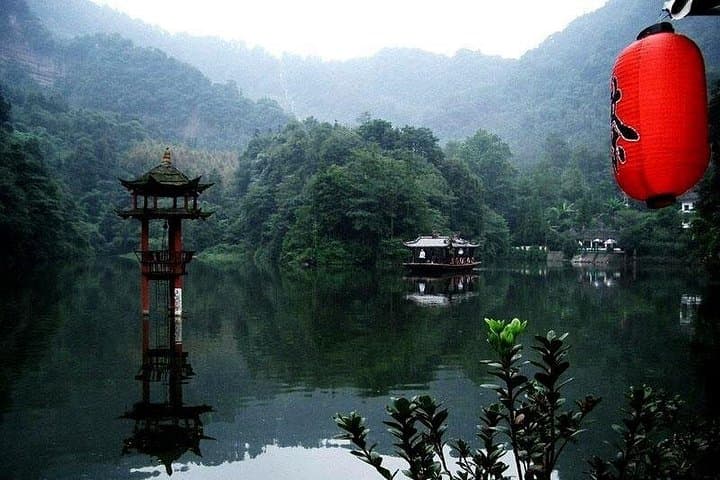
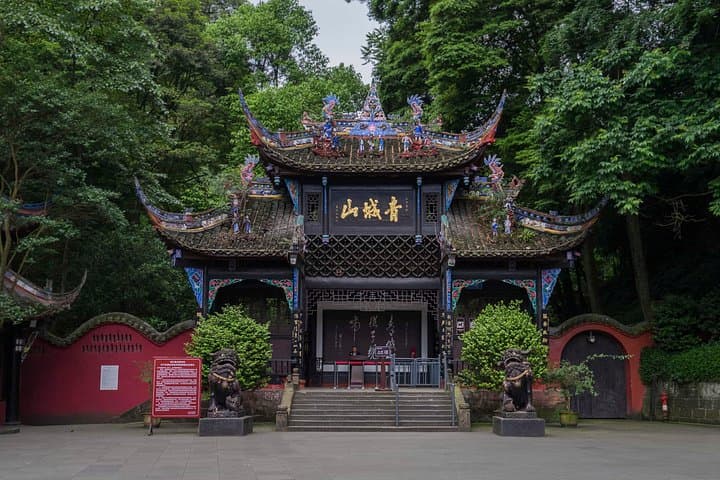
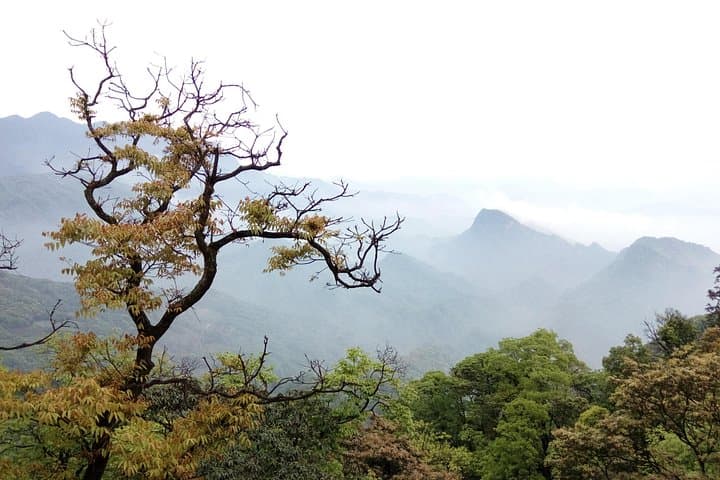
In the afternoon the route pivots from wildlife to mountain. Mount Qingcheng is an ancient Taoist site where granite ribs push up through soil and cloud. Temple roofs arc among firs and gingko; carved steps lead to Laojun Pavilion, which anchors wide views over the valley. Geologically, the area is part of the Longmen Shan foothills—rounded ridgelines and steep ravines that shaped local water management projects such as Dujiangyan irrigation centuries ago.
Culturally, Qingcheng is a Taoist center: small shrines, incense-smoothed stones, and inscriptions that mark the path. Expect a measured pace—short cable-car hops ease elevation gain, and many travelers choose the lift both ways to spend time exploring temples rather than steep scrambles.
Practical notes: the full day runs 10–11 hours including transfers from Chengdu; bring layered clothing, a daypack, and 2 liters of water. Wear grippy shoes—the trail alternates stone steps and forest dirt, which gets slick in rain. Time your visit for morning at the panda base when animals are most active; afternoons are best for light and views on Qingcheng. This itinerary balances animal viewing and cultural trekking—compact, varied, and suited to travelers with moderate fitness.
The mountain hike typically takes about 3–4 hours round-trip, depending on pace and stops at temples and viewpoints.
Pandas are animals, so activity varies, but mornings are the most reliable time to see them feeding and playing.
Yes—this itinerary usually includes the option to use the cable car both ways to reduce strenuous climbing.
Yes, with moderate fitness; the cable car and paved sections make it accessible, but those with mobility issues should check specifics with the operator.
Jiuzhai Minjiang International Travel Service operates guided outdoor trips and adventures with an emphasis on safety, stewardship, and memorable experiences.
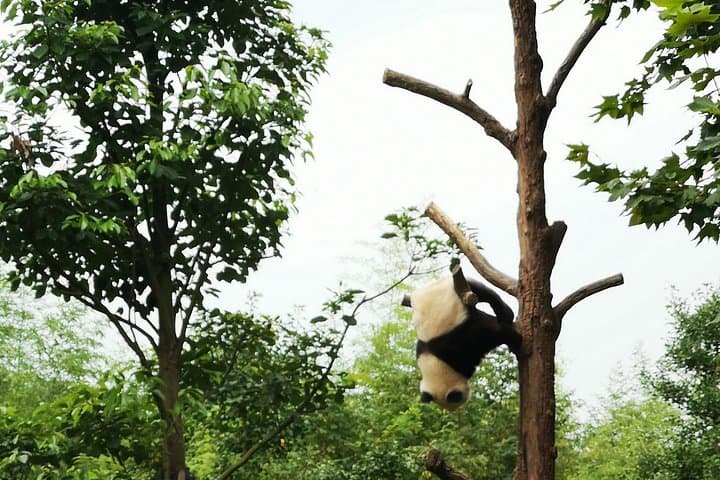
You arrive before the town wakes: early light slips through bamboo leaves as the van hums toward Dujiangyan. The base opens like a stage—pandas amble, climb, and test gravity on low branches while keepers move quietly behind the scenes. The animals draw the crowd forward; the air smells faintly of tea and wet earth.
You arrive before the town wakes: early light slips through bamboo leaves as the van hums toward Dujiangyan. The base opens like a stage—pandas amble, climb, and test gravity on low branches while keepers move quietly behind the scenes. The animals draw the crowd forward; the air smells faintly of tea and wet earth.
In the afternoon the route pivots from wildlife to mountain. Mount Qingcheng is an ancient Taoist site where granite ribs push up through soil and cloud. Temple roofs arc among firs and gingko; carved steps lead to Laojun Pavilion, which anchors wide views over the valley. Geologically, the area is part of the Longmen Shan foothills—rounded ridgelines and steep ravines that shaped local water management projects such as Dujiangyan irrigation centuries ago.
Culturally, Qingcheng is a Taoist center: small shrines, incense-smoothed stones, and inscriptions that mark the path. Expect a measured pace—short cable-car hops ease elevation gain, and many travelers choose the lift both ways to spend time exploring temples rather than steep scrambles.
Practical notes: the full day runs 10–11 hours including transfers from Chengdu; bring layered clothing, a daypack, and 2 liters of water. Wear grippy shoes—the trail alternates stone steps and forest dirt, which gets slick in rain. Time your visit for morning at the panda base when animals are most active; afternoons are best for light and views on Qingcheng. This itinerary balances animal viewing and cultural trekking—compact, varied, and suited to travelers with moderate fitness.