THE ADVENTURE COLLECTIVE® · Independent discovery and booking for outdoor travel

Experience the Elqui Valley’s famously dark skies at Pangue Observatory. This evening tour from La Serena combines scenic valley driving with hands-on telescope viewing of Southern Hemisphere deep-sky objects.
Experience the Elqui Valley’s famously dark skies at Pangue Observatory. This evening tour from La Serena combines scenic valley driving with hands-on telescope viewing of Southern Hemisphere deep-sky objects.
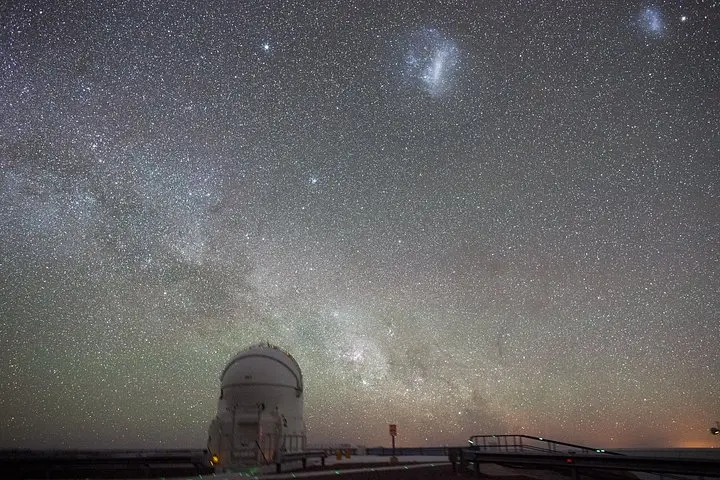
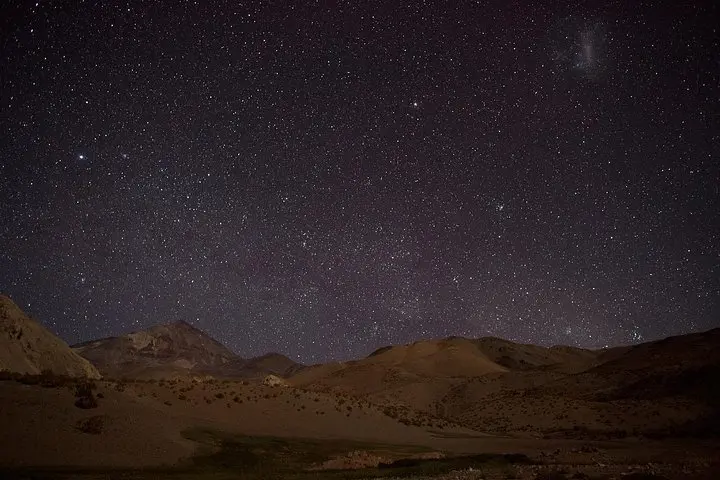
Night falls over the Elqui Valley and the sky sharpens — a high, hard ceiling of stars that seems to lean in close. At 1,300 meters the air is thin and dry, and the small lights of Vicuña lie below; the Milky Way stretches like a bright river daring you to follow it.
Verified experiences and guided adventures in the surrounding area.
Operated by Tembeta · Vicuña, Coquimbo
Night falls over the Elqui Valley and the sky sharpens — a high, hard ceiling of stars that seems to lean in close. At 1,300 meters the air is thin and dry, and the small lights of Vicuña lie below; the Milky Way stretches like a bright river daring you to follow it.
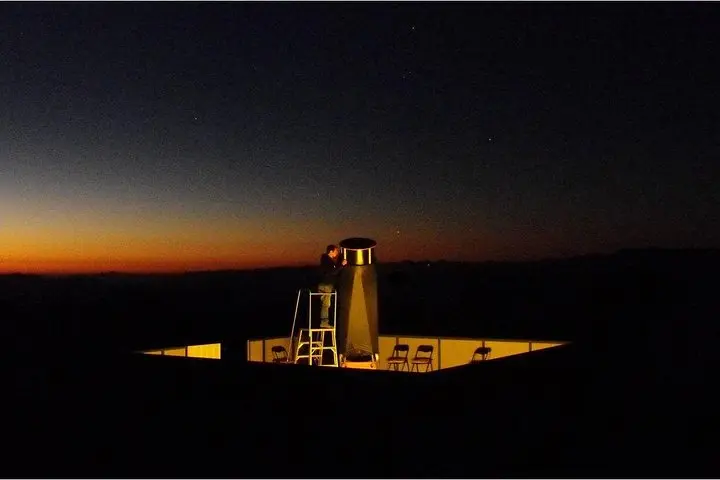
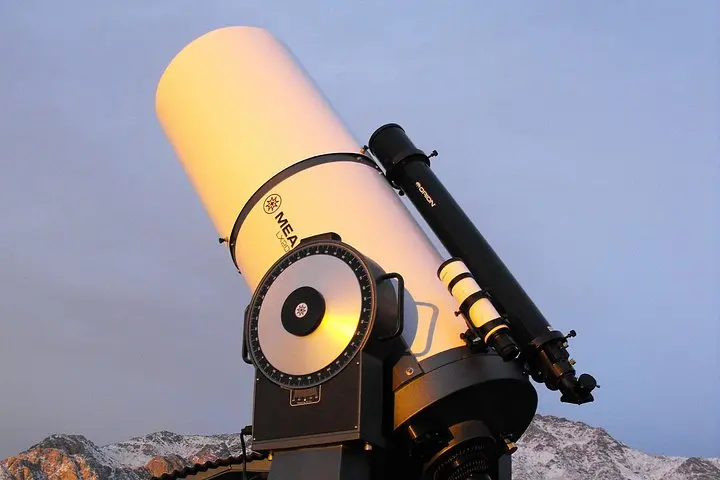
The route from La Serena climbs past adobe churches and old haciendas toward Gabriela Mistral Dark Skies Sanctuary, an area protected for its exceptionally low light pollution. The region’s clear air and high plateaus have attracted scientific facilities — Tololo, SOAR and Gemini South sit on neighboring summits — and a culture of astronomy has grown in their shadow. El Pangue Observatory combines this legacy with public astrotourism: 16" and 25" telescopes bring planets, nebulae and star clusters into crisp focus. Guides orient visitors to Southern Hemisphere highlights — the Magellanic Clouds, coal-black nebulae and stellar nurseries — while explaining basic sky lore and the valley’s ties to Gabriela Mistral and local agricultural life.
Practically, plan for a 6–7 hour excursion with an evening drive, on-site orientation and two hours of observation. Temperatures drop sharply after sunset, so layers, closed-toe shoes and a red-light headlamp are essential. Cameras with long-exposure capability are welcome but expect rules to protect night vision. Book in advance (spaces are limited and full-moon nights are closed), arrive hydrated, and leave screens dimmed so the sky can do the talking.
Expect 6–7 hours total: pickup from La Serena, valley drive with short stops, an orientation, and roughly two hours of telescope observations at El Pangue.
Children under 9 are not accepted; the observatory recommends guests be at least 9 years old for safety and concentration reasons.
Guides typically show 8–12 objects — planets, binary stars, star clusters, nebulae, the Magellanic Clouds and supernova remnants depending on season and sky conditions.
Yes — the observatory is closed around full-moon windows and tours may be canceled for poor weather; refunds are available with at least 24 hours’ notice.
Tembeta operates guided outdoor trips and adventures with an emphasis on safety, stewardship, and memorable experiences.
Night falls over the Elqui Valley and the sky sharpens — a high, hard ceiling of stars that seems to lean in close. At 1,300 meters the air is thin and dry, and the small lights of Vicuña lie below; the Milky Way stretches like a bright river daring you to follow it.
Night falls over the Elqui Valley and the sky sharpens — a high, hard ceiling of stars that seems to lean in close. At 1,300 meters the air is thin and dry, and the small lights of Vicuña lie below; the Milky Way stretches like a bright river daring you to follow it.
The route from La Serena climbs past adobe churches and old haciendas toward Gabriela Mistral Dark Skies Sanctuary, an area protected for its exceptionally low light pollution. The region’s clear air and high plateaus have attracted scientific facilities — Tololo, SOAR and Gemini South sit on neighboring summits — and a culture of astronomy has grown in their shadow. El Pangue Observatory combines this legacy with public astrotourism: 16" and 25" telescopes bring planets, nebulae and star clusters into crisp focus. Guides orient visitors to Southern Hemisphere highlights — the Magellanic Clouds, coal-black nebulae and stellar nurseries — while explaining basic sky lore and the valley’s ties to Gabriela Mistral and local agricultural life.
Practically, plan for a 6–7 hour excursion with an evening drive, on-site orientation and two hours of observation. Temperatures drop sharply after sunset, so layers, closed-toe shoes and a red-light headlamp are essential. Cameras with long-exposure capability are welcome but expect rules to protect night vision. Book in advance (spaces are limited and full-moon nights are closed), arrive hydrated, and leave screens dimmed so the sky can do the talking.