THE ADVENTURE COLLECTIVE® · Independent discovery and booking for outdoor travel

A strenuous ridge-to-lake day hike that rewards 30 km of effort with ice-blue Garibaldi Lake, 360° ridgeline views, and vivid alpine wildflowers. Read on for what to expect, how to prepare, and on-trail tips for this high-energy Whistler-area adventure.
A strenuous ridge-to-lake day hike that rewards 30 km of effort with ice-blue Garibaldi Lake, 360° ridgeline views, and vivid alpine wildflowers. Read on for what to expect, how to prepare, and on-trail tips for this high-energy Whistler-area adventure.
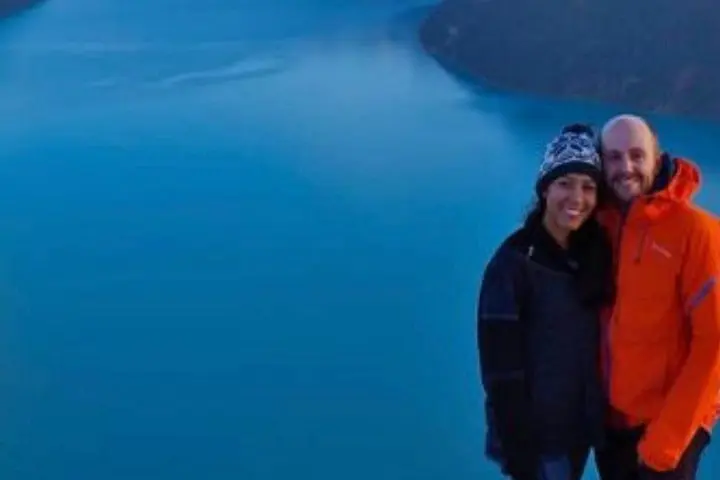
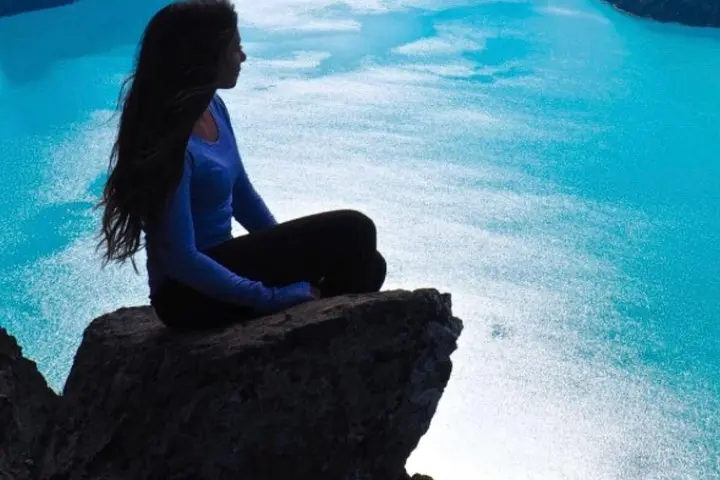
You crest the last band of trees and wind, and the world opens: an ice-blue lake cups the valley below while a serrated ridge stretches east like a spine of stone. Wind trims the wildflowers flat against the ground; the mountains seem to challenge you to move closer.
Verified experiences and guided adventures in the surrounding area.
Operated by Vincent · Whistler, British Columbia
You crest the last band of trees and wind, and the world opens: an ice-blue lake cups the valley below while a serrated ridge stretches east like a spine of stone. Wind trims the wildflowers flat against the ground; the mountains seem to challenge you to move closer.
Garibaldi Lake and Panorama Ridge sit in the Coast Mountains inside Garibaldi Provincial Park, a protected expanse of volcanic peaks, glaciers and alpine meadows carved by past ice. The trail follows old moraine and steep talus; between the subalpine bowls and ridgelines you’ll pass patches of shrubby heather, fields of lupine and stands of mountain hemlock. Geologically the area records volcanic activity and glacial sculpting—expect volcanic bedrock, scree slopes and sharp summit views that frame Mount Garibaldi and the Black Tusk.
Local history blends Indigenous presence in the Sea to Sky region and early mountaineering exploration; today the park is managed for both recreation and habitat protection. Wildlife is active—bears, marmots and mountain goats use different elevations—so groups travel conscientiously.
Practical guidance: this is a long, strenuous outing (roughly 30 km round-trip with 1,200–1,500 m of elevation gain depending on route). Start before dawn, carry at least 2–3 liters of water, layered clothing and a map or GPS. Expect loose rock near the ridge, sudden weather shifts, and alpine sun exposure. Guided trips typically include transport, an experienced guide, and bear spray—valuable in this landscape. Pace conservatively, take photos during rests, and allow a full day to complete the hike safely.
Guided routes cover roughly 30 km round-trip with approximately 1,200–1,500 m of elevation gain depending on the exact route and viewpoint.
The main trail to Garibaldi Lake and the route up Panorama Ridge are commonly used but can include steep, loose sections; good footwear and sure-footedness are important.
Day users typically don’t need a provincial permit, but backcountry camping in Garibaldi Provincial Park requires reservations through BC Parks; guided tours usually handle logistics.
Mid-summer to early fall (July–September) offers the most stable trail conditions and peak wildflower displays; earlier in summer expect snowfields on the ridge.
Vincent operates guided outdoor trips and adventures with an emphasis on safety, stewardship, and memorable experiences.
You crest the last band of trees and wind, and the world opens: an ice-blue lake cups the valley below while a serrated ridge stretches east like a spine of stone. Wind trims the wildflowers flat against the ground; the mountains seem to challenge you to move closer.
You crest the last band of trees and wind, and the world opens: an ice-blue lake cups the valley below while a serrated ridge stretches east like a spine of stone. Wind trims the wildflowers flat against the ground; the mountains seem to challenge you to move closer.
Garibaldi Lake and Panorama Ridge sit in the Coast Mountains inside Garibaldi Provincial Park, a protected expanse of volcanic peaks, glaciers and alpine meadows carved by past ice. The trail follows old moraine and steep talus; between the subalpine bowls and ridgelines you’ll pass patches of shrubby heather, fields of lupine and stands of mountain hemlock. Geologically the area records volcanic activity and glacial sculpting—expect volcanic bedrock, scree slopes and sharp summit views that frame Mount Garibaldi and the Black Tusk.
Local history blends Indigenous presence in the Sea to Sky region and early mountaineering exploration; today the park is managed for both recreation and habitat protection. Wildlife is active—bears, marmots and mountain goats use different elevations—so groups travel conscientiously.
Practical guidance: this is a long, strenuous outing (roughly 30 km round-trip with 1,200–1,500 m of elevation gain depending on route). Start before dawn, carry at least 2–3 liters of water, layered clothing and a map or GPS. Expect loose rock near the ridge, sudden weather shifts, and alpine sun exposure. Guided trips typically include transport, an experienced guide, and bear spray—valuable in this landscape. Pace conservatively, take photos during rests, and allow a full day to complete the hike safely.