THE ADVENTURE COLLECTIVE® · Independent discovery and booking for outdoor travel
A full-day interpretive drive along Mpumalanga’s Panorama Route: God’s Window, Lisbon and Berlin Falls, Bourke’s Luck Potholes and the Blyde River Canyon, paired with cultural stops and traditional meals.
A full-day interpretive drive along Mpumalanga’s Panorama Route: God’s Window, Lisbon and Berlin Falls, Bourke’s Luck Potholes and the Blyde River Canyon, paired with cultural stops and traditional meals.
You step out of the minivan into a high, cool wind that seems to push the lowveld and your day into sharper focus. At God’s Window, the mist runs off escarpment cliffs and the view drops away in layered greens to the Kruger lowlands; the guide points to the far-off glint where the Indian Ocean might appear on a clear day. The road that follows the Panorama Route is less a highway than a sequence of stage sets—waterfalls, potholes bored by rivers, and a canyon that insists you slow down and look.
Verified experiences and guided adventures in the surrounding area.
Operated by Eye Travel Africa · Graskop, Mpumalanga
You step out of the minivan into a high, cool wind that seems to push the lowveld and your day into sharper focus. At God’s Window, the mist runs off escarpment cliffs and the view drops away in layered greens to the Kruger lowlands; the guide points to the far-off glint where the Indian Ocean might appear on a clear day. The road that follows the Panorama Route is less a highway than a sequence of stage sets—waterfalls, potholes bored by rivers, and a canyon that insists you slow down and look.
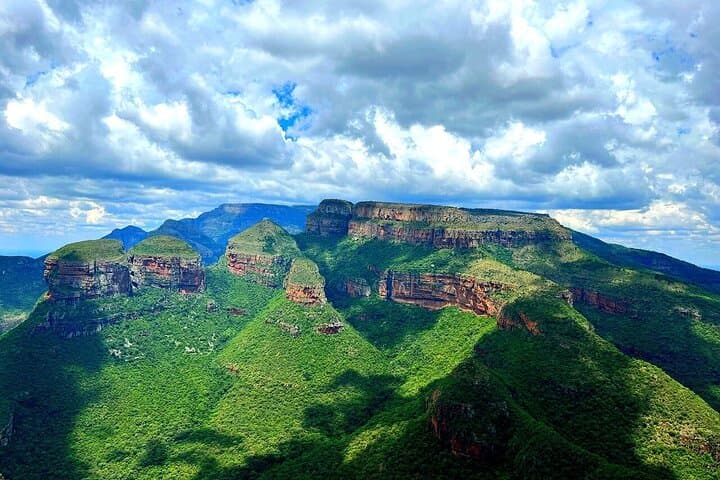
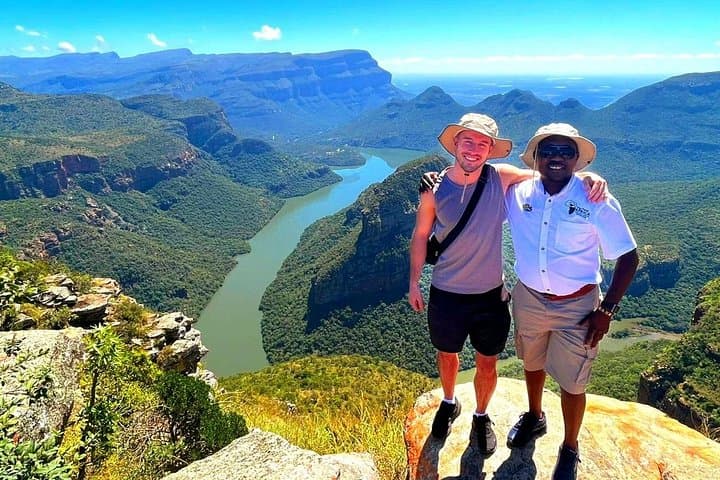
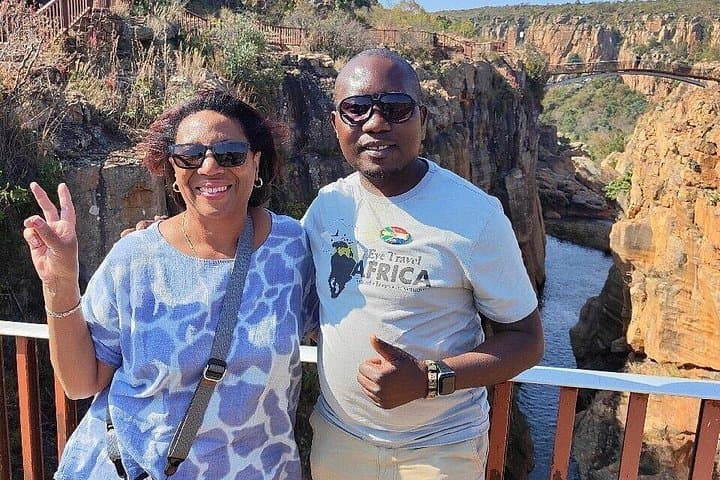
This guided experience strings the route’s headline acts into a single, readable arc. Lisbon Falls spills 94 meters from a basalt lip into a shaded gorge; Berlin Falls, named for German miners, still shows the marks of 19th-century prospecting in the surrounding tracks. At Bourke’s Luck Potholes, you see how the Treur and Blyde Rivers have sculpted cylindrical chambers into banded rock—geology that reads like a slow-motion demonstration in erosion. The Blyde River Canyon, one of the world’s largest and unusually green, offers vistas of the Three Rondavels—flat-topped quartzite peaks whose names and shapes are woven into local Tsonga storytelling.
The guides on this tour translate topography into narrative: how the escarpment formed, why different biomes sit shoulder-to-shoulder here, and how colonial and mining histories intersect with contemporary communities. You’ll get a short cultural stop to taste traditional African meals and meet locals—small, human scenes that complete the landscape.
Practically, this is a full-day, low-impact outing. Expect a 7–8 hour window with multiple short walks (mostly paved or boardwalk viewpoints with a few uneven sections). Elevation tops out around 1,829 meters at God’s Window, so mornings can be cooler and clouds frequent. The driving segments are scenic but include tight bends and occasional gravel shoulders—motion-sensitive travelers should plan accordingly.
Bring sun protection, a light rain layer, and shoes with decent tread for slippery or muddy overlooks. Hydration matters: bottled water is provided, but carry extras if you sweat easily. Photography opportunities are best early and late in the day when light flattens less and mist clears off the escarpment. Respect signage at viewpoints and stay behind barriers—wildlife and fragile fynbos need space.
For travelers who want a steady, interpretive introduction to Mpumalanga’s Panorama Route, this tour balances geological spectacle, short walks, and cultural context. It’s an efficient way to cover the route’s must-sees without missing the small details your guide will point out—the birds, the old mining scars, the rainforest pockets behind the falls. Arrive with curiosity and practical footwear; the landscape will do the rest.
The tour runs about 7–8 hours (420–480 minutes); start times vary by operator and pickup location—confirm at booking.
This itinerary notes admission included for key sights; confirm specifics with the supplier for any optional extras.
Yes—walks are short and largely accessible, but inform the operator of mobility concerns so they can advise or arrange alternatives.
Guides typically speak English and may offer additional local languages; check with the operator if you need another language.
Yes—guides can accommodate common dietary needs with advance notice; use booking questions to specify restrictions.
The tour generally operates in light rain but heavy weather could affect visibility; cancellation policy allows full refund if cancelled 24+ hours ahead.
Eye Travel Africa operates guided outdoor trips and adventures with an emphasis on safety, stewardship, and memorable experiences.
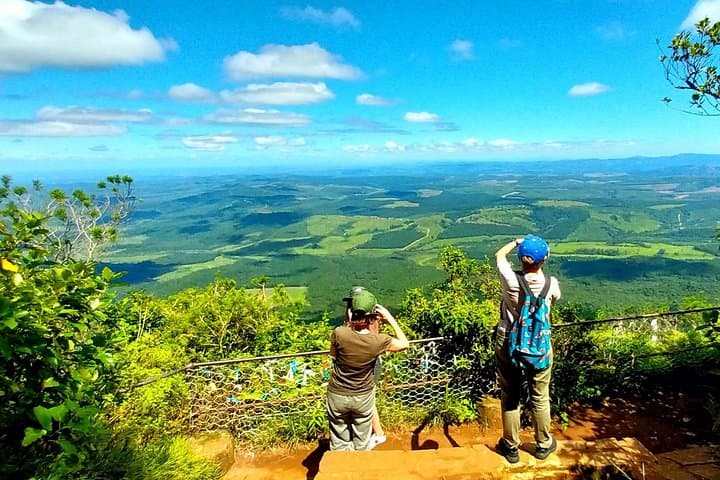
You step out of the minivan into a high, cool wind that seems to push the lowveld and your day into sharper focus. At God’s Window, the mist runs off escarpment cliffs and the view drops away in layered greens to the Kruger lowlands; the guide points to the far-off glint where the Indian Ocean might appear on a clear day. The road that follows the Panorama Route is less a highway than a sequence of stage sets—waterfalls, potholes bored by rivers, and a canyon that insists you slow down and look.
You step out of the minivan into a high, cool wind that seems to push the lowveld and your day into sharper focus. At God’s Window, the mist runs off escarpment cliffs and the view drops away in layered greens to the Kruger lowlands; the guide points to the far-off glint where the Indian Ocean might appear on a clear day. The road that follows the Panorama Route is less a highway than a sequence of stage sets—waterfalls, potholes bored by rivers, and a canyon that insists you slow down and look.
This guided experience strings the route’s headline acts into a single, readable arc. Lisbon Falls spills 94 meters from a basalt lip into a shaded gorge; Berlin Falls, named for German miners, still shows the marks of 19th-century prospecting in the surrounding tracks. At Bourke’s Luck Potholes, you see how the Treur and Blyde Rivers have sculpted cylindrical chambers into banded rock—geology that reads like a slow-motion demonstration in erosion. The Blyde River Canyon, one of the world’s largest and unusually green, offers vistas of the Three Rondavels—flat-topped quartzite peaks whose names and shapes are woven into local Tsonga storytelling.
The guides on this tour translate topography into narrative: how the escarpment formed, why different biomes sit shoulder-to-shoulder here, and how colonial and mining histories intersect with contemporary communities. You’ll get a short cultural stop to taste traditional African meals and meet locals—small, human scenes that complete the landscape.
Practically, this is a full-day, low-impact outing. Expect a 7–8 hour window with multiple short walks (mostly paved or boardwalk viewpoints with a few uneven sections). Elevation tops out around 1,829 meters at God’s Window, so mornings can be cooler and clouds frequent. The driving segments are scenic but include tight bends and occasional gravel shoulders—motion-sensitive travelers should plan accordingly.
Bring sun protection, a light rain layer, and shoes with decent tread for slippery or muddy overlooks. Hydration matters: bottled water is provided, but carry extras if you sweat easily. Photography opportunities are best early and late in the day when light flattens less and mist clears off the escarpment. Respect signage at viewpoints and stay behind barriers—wildlife and fragile fynbos need space.
For travelers who want a steady, interpretive introduction to Mpumalanga’s Panorama Route, this tour balances geological spectacle, short walks, and cultural context. It’s an efficient way to cover the route’s must-sees without missing the small details your guide will point out—the birds, the old mining scars, the rainforest pockets behind the falls. Arrive with curiosity and practical footwear; the landscape will do the rest.
