THE ADVENTURE COLLECTIVE® · Independent discovery and booking for outdoor travel

See Ephesus’s highlights from scenic viewpoints and visit the Temple of Artemis with minimal walking. This shore excursion combines guided history, artisan visits, and a traditional Turkish lunch—plus an optional hammam to unwind.
See Ephesus’s highlights from scenic viewpoints and visit the Temple of Artemis with minimal walking. This shore excursion combines guided history, artisan visits, and a traditional Turkish lunch—plus an optional hammam to unwind.
You step off the tender into the salt air of the Aegean and the coach hums toward wide-open ruins. Windows frame rolling olive groves, a ribbon of blue sea, and the terraces where Ephesus sprawls like an open book. This panoramic outing favors viewpoints over long walks—ideal for travelers who want the full sweep of antiquity without the miles on foot.
Verified experiences and guided adventures in the surrounding area.
Operated by SeaDrop Travel · Selçuk, İzmir
You step off the tender into the salt air of the Aegean and the coach hums toward wide-open ruins. Windows frame rolling olive groves, a ribbon of blue sea, and the terraces where Ephesus sprawls like an open book. This panoramic outing favors viewpoints over long walks—ideal for travelers who want the full sweep of antiquity without the miles on foot.
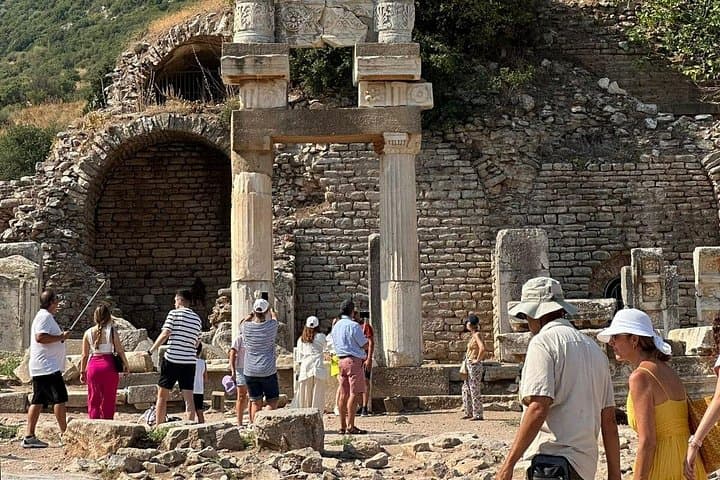
Ephesus was a major Roman port and trading hub; marble streets once echoed with merchants and pilgrims visiting the Temple of Artemis, once counted among the ancient wonders. The coastline here owes its shape to tectonic uplift and sediment from Anatolia’s rivers, leaving a landscape of low hills and fertile plains dotted with classical columns and farmhouse pines. Local craft traditions—leatherwork and carpet weaving—carry threads of Ottoman and Anatolian practices you’ll see at artisan stops.
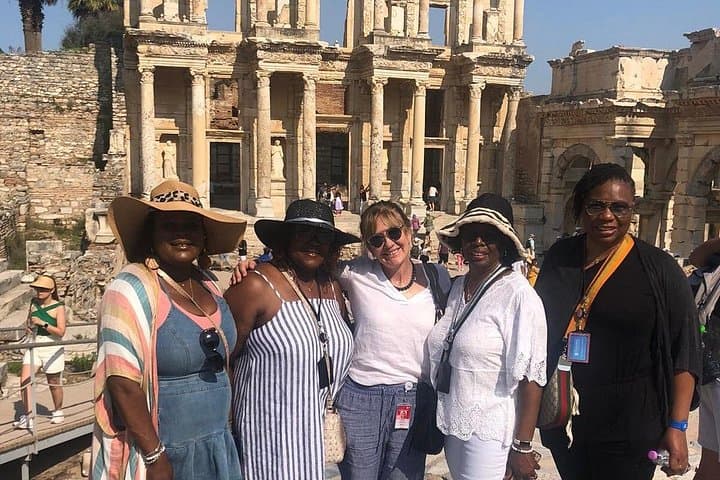
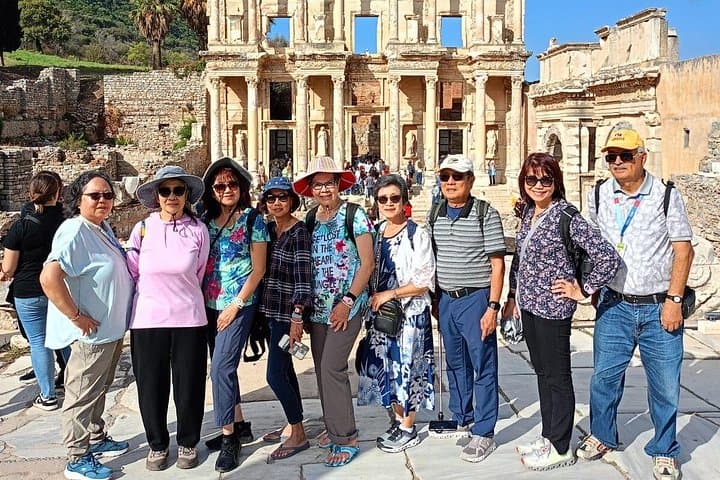
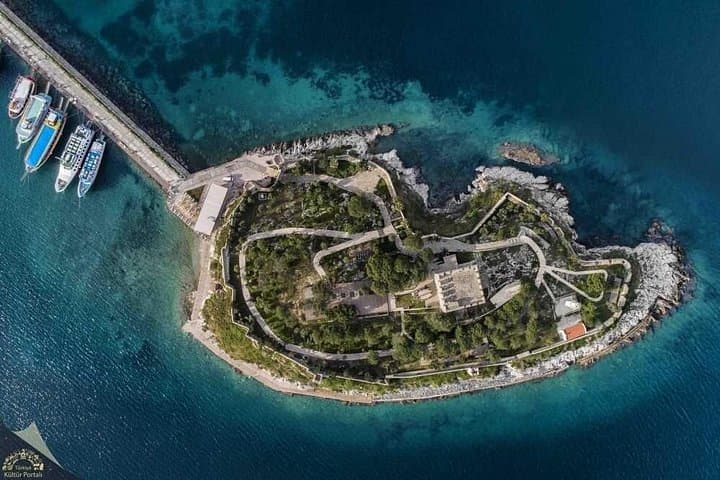
Practicalities are straightforward: the day runs about 7–8 hours with air-conditioned transport, a guided panoramic route through the Celsus Library area, a stop at Pigeon Island, lunch in Selçuk, and entrance to the Temple of Artemis ruins. Walking is limited to short, accessible paths and viewpoints; bring a camera and expect some uneven surfaces at archaeological sites.
Timing matters—mornings are cooler and light is best for photography. Wear closed, comfortable shoes, sun protection, and carry water. The optional Turkish bath adds a cultural cooldown if you want to trade sightseeing energy for a restorative scrub and steam before you return to the ship.
The tour is designed for minimal walking—mostly short strolls to viewpoints and easy paths; it’s suitable for seniors and families.
The itinerary lists entrance to the Temple of Artemis as included; panoramic viewpoints of Ephesus are visited from selected vantage points with limited on-foot exploration.
Yes—the Turkish Bath is an optional add-on typically scheduled at the end of the day so you return refreshed to the ship.
The tour notes wheelchair accessibility for transport and most viewing areas, but some archaeological surfaces may be uneven—check with the operator for specific mobility needs.
SeaDrop Travel operates guided outdoor trips and adventures with an emphasis on safety, stewardship, and memorable experiences.
You step off the tender into the salt air of the Aegean and the coach hums toward wide-open ruins. Windows frame rolling olive groves, a ribbon of blue sea, and the terraces where Ephesus sprawls like an open book. This panoramic outing favors viewpoints over long walks—ideal for travelers who want the full sweep of antiquity without the miles on foot.
You step off the tender into the salt air of the Aegean and the coach hums toward wide-open ruins. Windows frame rolling olive groves, a ribbon of blue sea, and the terraces where Ephesus sprawls like an open book. This panoramic outing favors viewpoints over long walks—ideal for travelers who want the full sweep of antiquity without the miles on foot.
Ephesus was a major Roman port and trading hub; marble streets once echoed with merchants and pilgrims visiting the Temple of Artemis, once counted among the ancient wonders. The coastline here owes its shape to tectonic uplift and sediment from Anatolia’s rivers, leaving a landscape of low hills and fertile plains dotted with classical columns and farmhouse pines. Local craft traditions—leatherwork and carpet weaving—carry threads of Ottoman and Anatolian practices you’ll see at artisan stops.
Practicalities are straightforward: the day runs about 7–8 hours with air-conditioned transport, a guided panoramic route through the Celsus Library area, a stop at Pigeon Island, lunch in Selçuk, and entrance to the Temple of Artemis ruins. Walking is limited to short, accessible paths and viewpoints; bring a camera and expect some uneven surfaces at archaeological sites.
Timing matters—mornings are cooler and light is best for photography. Wear closed, comfortable shoes, sun protection, and carry water. The optional Turkish bath adds a cultural cooldown if you want to trade sightseeing energy for a restorative scrub and steam before you return to the ship.