THE ADVENTURE COLLECTIVE® · Independent discovery and booking for outdoor travel

Head offshore from the Papagayo Peninsula for a 4–8 hour sport-fishing charter targeting marlin, yellowtail tuna, mahi-mahi and roosterfish. Expect bluewater trolling, live-bait tactics and close coaching from an experienced captain.
Head offshore from the Papagayo Peninsula for a 4–8 hour sport-fishing charter targeting marlin, yellowtail tuna, mahi-mahi and roosterfish. Expect bluewater trolling, live-bait tactics and close coaching from an experienced captain.
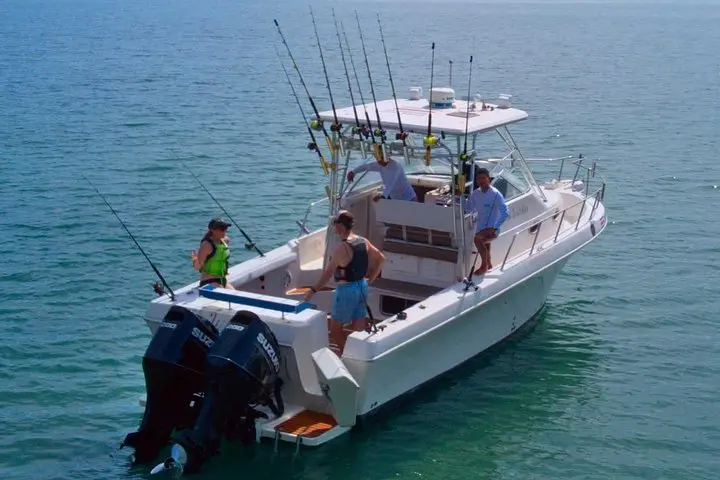
Salt spray catches the light as the hull parts the Pacific; early morning off the Papagayo Peninsula, the horizon is a clean, blue line and the captain is already reading the swell. Anglers settle into routine—bait selection, rig checks, an eye on the birds working the surface—because here the ocean announces opportunities in flashes and dives.
Verified experiences and guided adventures in the surrounding area.
Operated by Green Country Costa Rica · Playa Hermosa, Guanacaste
Salt spray catches the light as the hull parts the Pacific; early morning off the Papagayo Peninsula, the horizon is a clean, blue line and the captain is already reading the swell. Anglers settle into routine—bait selection, rig checks, an eye on the birds working the surface—because here the ocean announces opportunities in flashes and dives.
The Gulf of Papagayo sits on Guanacaste’s volcanic coastline, where erosion-cut cliffs and offshore seamounts concentrate baitfish and create productive feeding grounds for marlin, yellowtail tuna, mahi-mahi, roosterfish and wahoo. The region’s fishing history runs deep: local artisanal methods gave way to sport charters in the late 20th century as tourism and reliable gamefish populations converged. Culturally, the port towns keep a working-boat rhythm—fish markets, net-menders and a straightforward respect for the sea.
Expect variable conditions: calm bluewater days give fast, sight-fishing action; windier seasons push fish closer to structure. Typical half- to full-day trips (4–8 hours) combine trolling and live-bait techniques; captains provide gear, tips and safety briefing. Practical prep: hydrate early, bring sun protection and motion-sickness remedies, and wear non-slip shoes. Keep lines clear, follow crew instructions for hook sets and gaffing, and pack a light waterproof jacket for spray.
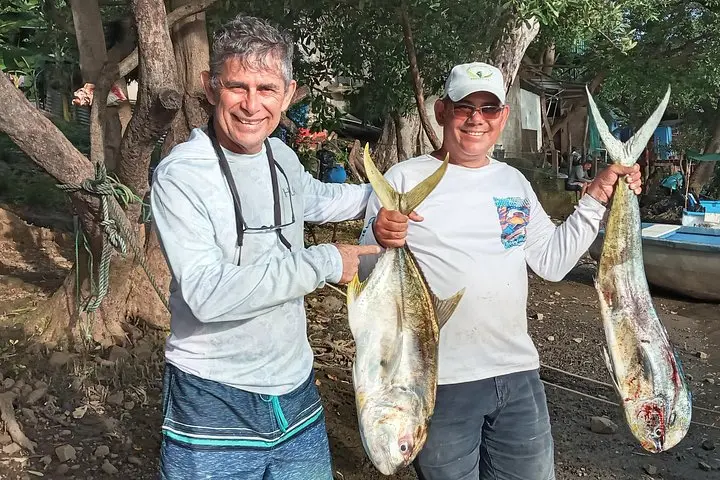
Onshore, support services—ice, stalls selling fresh ceviche, and fish-cleaning—make the transition from sea to table simple. For first-timers and experienced anglers alike, Papagayo delivers concentrated action and a crisp Pacific experience that’s as much about reading ocean signals as it is about the fight on the line.
Most charters supply rods, reels, tackle and bait, but confirm with the operator if you prefer to use personal equipment.
Mahi-mahi, yellowtail and tuna are common year-round; marlin and wahoo peak in the drier months (December–April) but regional patterns vary.
Yes—charters typically accommodate beginners and families, offering instruction and safety briefings; report ages and experience when booking.
Discuss options with the crew—some operators fillet for takeaway, others will recommend local restaurants; catch-and-release is common for billfish.
Green Country Costa Rica operates guided outdoor trips and adventures with an emphasis on safety, stewardship, and memorable experiences.
Salt spray catches the light as the hull parts the Pacific; early morning off the Papagayo Peninsula, the horizon is a clean, blue line and the captain is already reading the swell. Anglers settle into routine—bait selection, rig checks, an eye on the birds working the surface—because here the ocean announces opportunities in flashes and dives.
Salt spray catches the light as the hull parts the Pacific; early morning off the Papagayo Peninsula, the horizon is a clean, blue line and the captain is already reading the swell. Anglers settle into routine—bait selection, rig checks, an eye on the birds working the surface—because here the ocean announces opportunities in flashes and dives.
The Gulf of Papagayo sits on Guanacaste’s volcanic coastline, where erosion-cut cliffs and offshore seamounts concentrate baitfish and create productive feeding grounds for marlin, yellowtail tuna, mahi-mahi, roosterfish and wahoo. The region’s fishing history runs deep: local artisanal methods gave way to sport charters in the late 20th century as tourism and reliable gamefish populations converged. Culturally, the port towns keep a working-boat rhythm—fish markets, net-menders and a straightforward respect for the sea.
Expect variable conditions: calm bluewater days give fast, sight-fishing action; windier seasons push fish closer to structure. Typical half- to full-day trips (4–8 hours) combine trolling and live-bait techniques; captains provide gear, tips and safety briefing. Practical prep: hydrate early, bring sun protection and motion-sickness remedies, and wear non-slip shoes. Keep lines clear, follow crew instructions for hook sets and gaffing, and pack a light waterproof jacket for spray.
Onshore, support services—ice, stalls selling fresh ceviche, and fish-cleaning—make the transition from sea to table simple. For first-timers and experienced anglers alike, Papagayo delivers concentrated action and a crisp Pacific experience that’s as much about reading ocean signals as it is about the fight on the line.