THE ADVENTURE COLLECTIVE® · Independent discovery and booking for outdoor travel

Emerge from Andean cloud into warm, mineral-rich pools and walk a riverside forest path in Cayambe-Coca National Park. This half-day trip combines thermal baths fed by volcanic heat with a gentle, scenic hike past waterfalls and rare highland vegetation.
Emerge from Andean cloud into warm, mineral-rich pools and walk a riverside forest path in Cayambe-Coca National Park. This half-day trip combines thermal baths fed by volcanic heat with a gentle, scenic hike past waterfalls and rare highland vegetation.
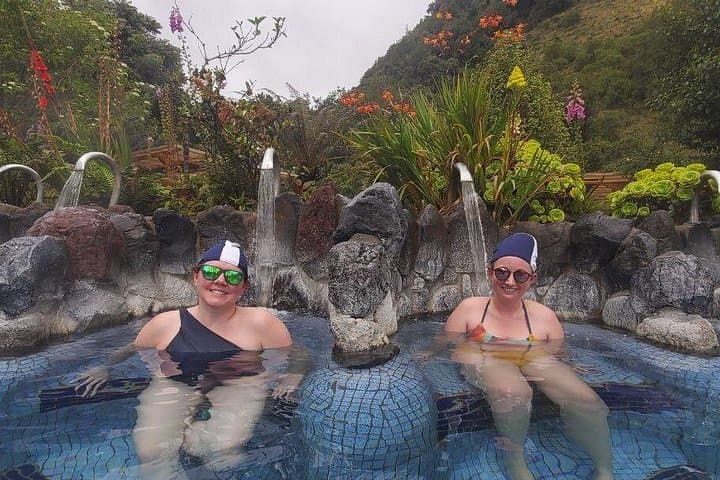
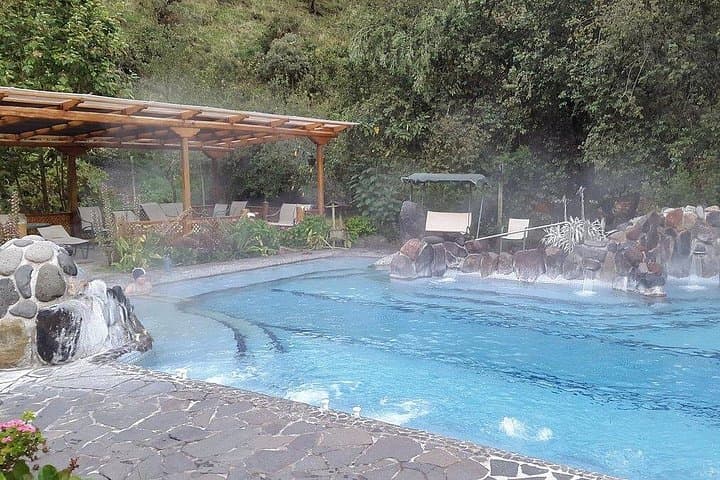
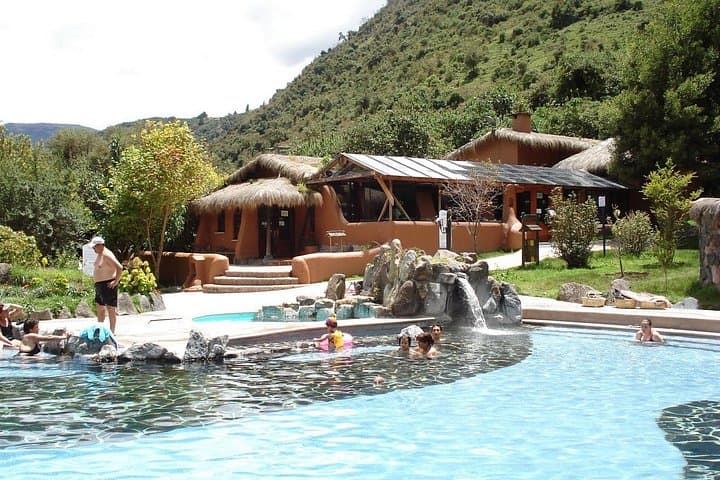
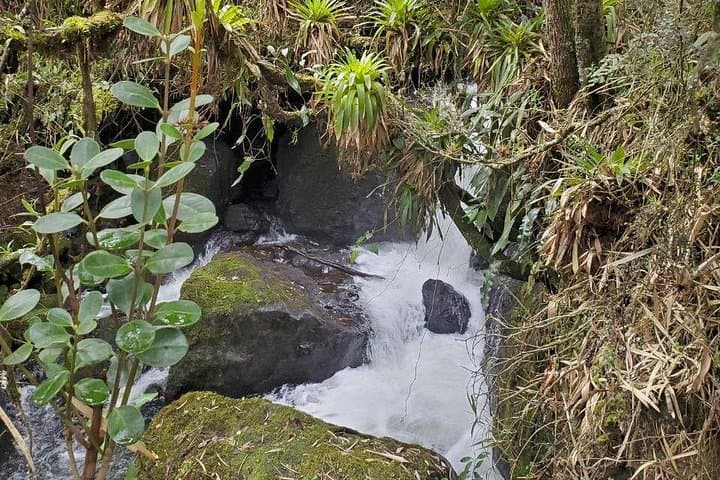
Steam curls off a series of stepped pools as morning cloud lifts from the Andean ridge, revealing a highland river rushing through mossy boulders. You arrive from Quito along a road that climbs into the eastern flanks of the Andes, the air sharpening and the vegetation changing; within an hour and a half the scrub grasses give way to wet montane forest and the sound of falling water takes over.
Verified experiences and guided adventures in the surrounding area.
Operated by Alejandro Nunez · Papallacta, Pichincha
Steam curls off a series of stepped pools as morning cloud lifts from the Andean ridge, revealing a highland river rushing through mossy boulders. You arrive from Quito along a road that climbs into the eastern flanks of the Andes, the air sharpening and the vegetation changing; within an hour and a half the scrub grasses give way to wet montane forest and the sound of falling water takes over.
Papallacta sits where volcanic heat from the Chacana massif meets glacially carved valleys — the result: mineral-rich thermal springs prized locally for centuries. The thermal pools are fed by geothermal flow and have long been used for relief of muscle and joint aches; their sulfur and iron content is noticeable as a faint scent in the air. The nearby private forest trail runs through a slice of Cayambe-Coca National Park, where rivers have cut narrow gorges and waterfalls stage short, photogenic drops amid ferns and Andean trees.
Culturally, Papallacta bridges highland Quechua communities and Amazon-facing ecosystems; local guides often point out traditional plant uses along the path. Expect uneven, sometimes muddy trails, several stream crossings and viewpoints that frame both valley and volcanic ridgelines.
Practical guidance: plan for a 3–4 hour outing including transfers, wear grippy hiking shoes, bring layers for rapidly changing weather, and carry water and a dry bag for electronics. Baths are best after the hike — warming muscles and drying a little before entering the hottest pools improves comfort. Respect posted rules at the springs, and follow your guide’s route to minimize impact on fragile highland forest.
The drive from Quito to Papallacta typically takes about 1.5 hours depending on traffic and road conditions.
Yes—official thermal facilities maintain pool hygiene; avoid very hot pools if you have heart conditions and follow posted temperature guidance.
The trail is considered easy but has uneven sections and stream crossings; children and older travelers should be steady on their feet and supervised.
Most organized tours include pool tickets, but bring small cash for souvenirs, snacks, or tips if needed.
Alejandro Nunez operates guided outdoor trips and adventures with an emphasis on safety, stewardship, and memorable experiences.
Steam curls off a series of stepped pools as morning cloud lifts from the Andean ridge, revealing a highland river rushing through mossy boulders. You arrive from Quito along a road that climbs into the eastern flanks of the Andes, the air sharpening and the vegetation changing; within an hour and a half the scrub grasses give way to wet montane forest and the sound of falling water takes over.
Steam curls off a series of stepped pools as morning cloud lifts from the Andean ridge, revealing a highland river rushing through mossy boulders. You arrive from Quito along a road that climbs into the eastern flanks of the Andes, the air sharpening and the vegetation changing; within an hour and a half the scrub grasses give way to wet montane forest and the sound of falling water takes over.
Papallacta sits where volcanic heat from the Chacana massif meets glacially carved valleys — the result: mineral-rich thermal springs prized locally for centuries. The thermal pools are fed by geothermal flow and have long been used for relief of muscle and joint aches; their sulfur and iron content is noticeable as a faint scent in the air. The nearby private forest trail runs through a slice of Cayambe-Coca National Park, where rivers have cut narrow gorges and waterfalls stage short, photogenic drops amid ferns and Andean trees.
Culturally, Papallacta bridges highland Quechua communities and Amazon-facing ecosystems; local guides often point out traditional plant uses along the path. Expect uneven, sometimes muddy trails, several stream crossings and viewpoints that frame both valley and volcanic ridgelines.
Practical guidance: plan for a 3–4 hour outing including transfers, wear grippy hiking shoes, bring layers for rapidly changing weather, and carry water and a dry bag for electronics. Baths are best after the hike — warming muscles and drying a little before entering the hottest pools improves comfort. Respect posted rules at the springs, and follow your guide’s route to minimize impact on fragile highland forest.