THE ADVENTURE COLLECTIVE® · Independent discovery and booking for outdoor travel

Explore colonial streets and projected historic photos on a two-hour evening walking tour of Papeete. Discover pre-European artifacts, 19th-century buildings and the social history of Tahiti’s capital in an accessible, small-group experience.
Explore colonial streets and projected historic photos on a two-hour evening walking tour of Papeete. Discover pre-European artifacts, 19th-century buildings and the social history of Tahiti’s capital in an accessible, small-group experience.
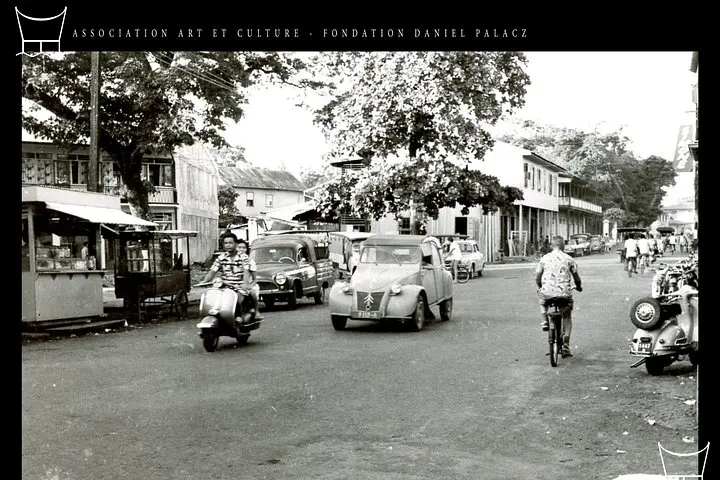
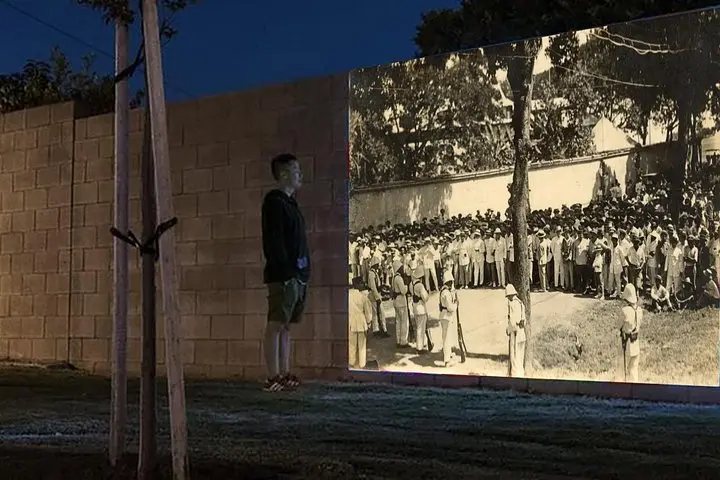
Dusk softens the harbor and streetlights throw long rectangles across wet pavement as Papeete shifts from market hours to nightlife. On this two-hour guided walk you move through neighborhoods where colonial facades catch projected photographs and Polynesian objects appear on walls and shutters, turning ordinary streets into an open-air museum.
Verified experiences and guided adventures in the surrounding area.
Operated by FAATI CITY · Papeete, Tahiti
Dusk softens the harbor and streetlights throw long rectangles across wet pavement as Papeete shifts from market hours to nightlife. On this two-hour guided walk you move through neighborhoods where colonial facades catch projected photographs and Polynesian objects appear on walls and shutters, turning ordinary streets into an open-air museum.
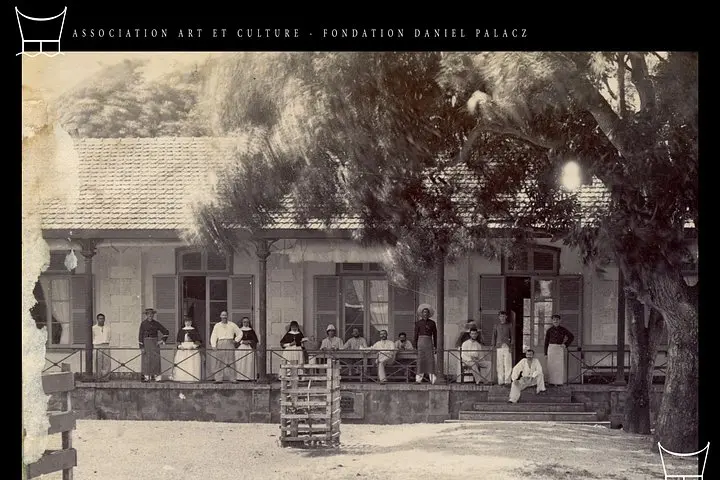
The route touches the French Polynesia Assembly and the city’s oldest colonial building—erected in 1848 amid conflict between Tahitian resistance and French forces—so history is immediate: a coastal capital reshaped by missionary influence, European trade and modern political life. Geologically, Tahiti is young and volcanic; the island’s black basalt base and nearby coral reef explain why Papeete grew where lagoon and road meet, a practical harbor that drew ships for weeks from distant continents.
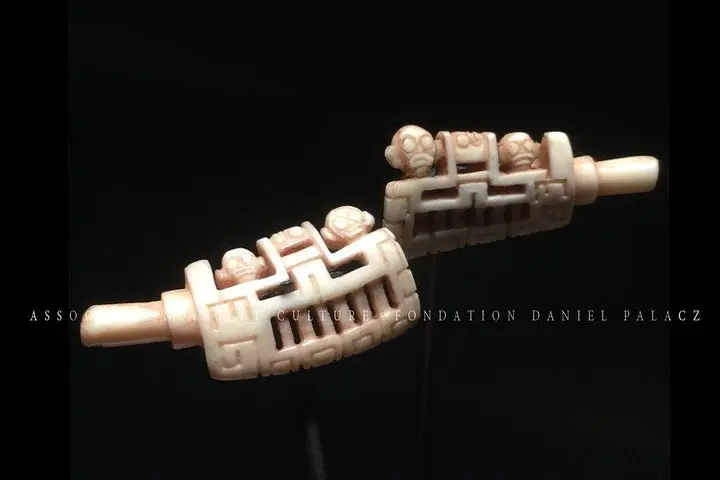
Culturally the evening tour highlights social change: from pre-European Polynesian life—seen in projected images of tools and objects—to the rise of a colonial port that became a regional center. Local guides use pared-down narration and photo projections to connect streets, buildings and everyday artifacts to broader stories about economy and identity.
Practical notes: meet at the Tahiti Visitor’s Bureau in Papeete; the walk is flat and fully wheelchair accessible but expect cobbles and occasional uneven sidewalks. Wear comfortable shoes, bring a light jacket for cooler nights and a small flashlight or phone light for crossings. The group size is small (max 10) and mobile tickets are accepted. Be mindful with flash photography around projections and private property—respect and quiet observation will make the evening more revealing for everyone.
The meeting point is the Tahiti Visitor’s Bureau in central Papeete; the route returns there at the end.
Yes—surfaces and transportation options are described as wheelchair accessible, though some sidewalks may be uneven.
Guides typically present in French and may offer English; check booking details or ask at the Visitor’s Bureau when you arrive.
Tours may be cancelled in bad weather with refund policy allowing full refund if cancelled at least 24 hours prior; on short-notice cancellations the policy applies per the operator.
FAATI CITY operates guided outdoor trips and adventures with an emphasis on safety, stewardship, and memorable experiences.
Dusk softens the harbor and streetlights throw long rectangles across wet pavement as Papeete shifts from market hours to nightlife. On this two-hour guided walk you move through neighborhoods where colonial facades catch projected photographs and Polynesian objects appear on walls and shutters, turning ordinary streets into an open-air museum.
Dusk softens the harbor and streetlights throw long rectangles across wet pavement as Papeete shifts from market hours to nightlife. On this two-hour guided walk you move through neighborhoods where colonial facades catch projected photographs and Polynesian objects appear on walls and shutters, turning ordinary streets into an open-air museum.
The route touches the French Polynesia Assembly and the city’s oldest colonial building—erected in 1848 amid conflict between Tahitian resistance and French forces—so history is immediate: a coastal capital reshaped by missionary influence, European trade and modern political life. Geologically, Tahiti is young and volcanic; the island’s black basalt base and nearby coral reef explain why Papeete grew where lagoon and road meet, a practical harbor that drew ships for weeks from distant continents.
Culturally the evening tour highlights social change: from pre-European Polynesian life—seen in projected images of tools and objects—to the rise of a colonial port that became a regional center. Local guides use pared-down narration and photo projections to connect streets, buildings and everyday artifacts to broader stories about economy and identity.
Practical notes: meet at the Tahiti Visitor’s Bureau in Papeete; the walk is flat and fully wheelchair accessible but expect cobbles and occasional uneven sidewalks. Wear comfortable shoes, bring a light jacket for cooler nights and a small flashlight or phone light for crossings. The group size is small (max 10) and mobile tickets are accepted. Be mindful with flash photography around projections and private property—respect and quiet observation will make the evening more revealing for everyone.