THE ADVENTURE COLLECTIVE® · Independent discovery and booking for outdoor travel

Walk Papeete’s waterfront and market in a focused two-hour tour that pairs colonial history with local life. Expect bustling stalls, colonial architecture, and practical tips for navigating heat and cash-only vendors.
Walk Papeete’s waterfront and market in a focused two-hour tour that pairs colonial history with local life. Expect bustling stalls, colonial architecture, and practical tips for navigating heat and cash-only vendors.
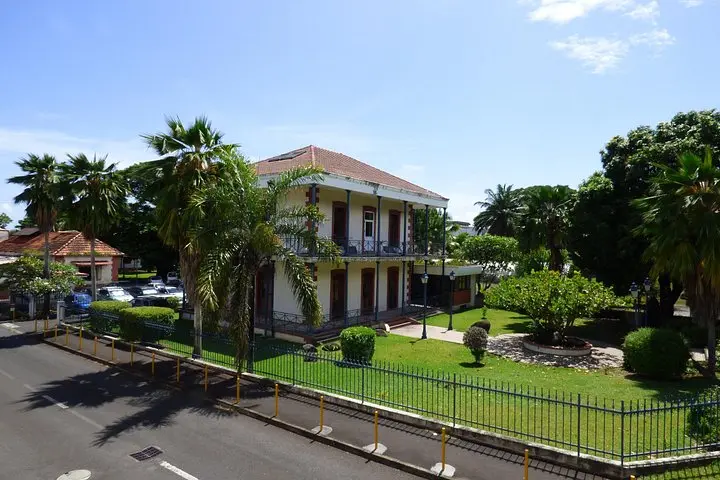
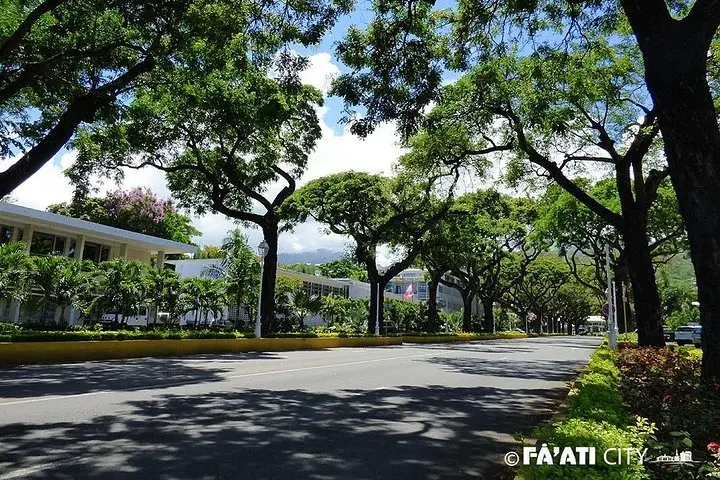
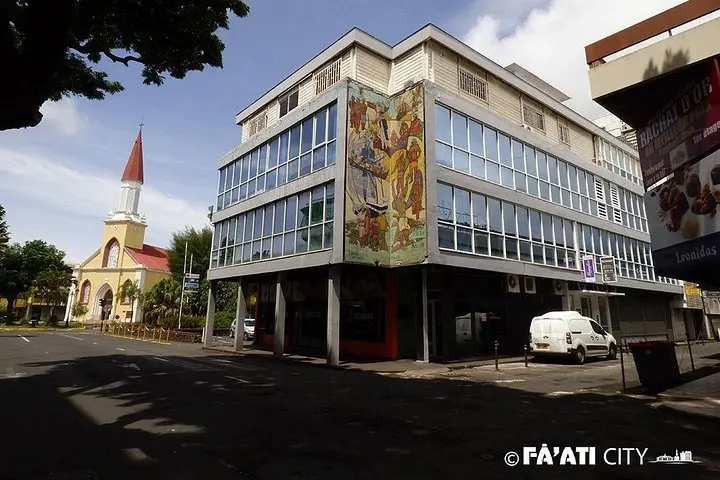
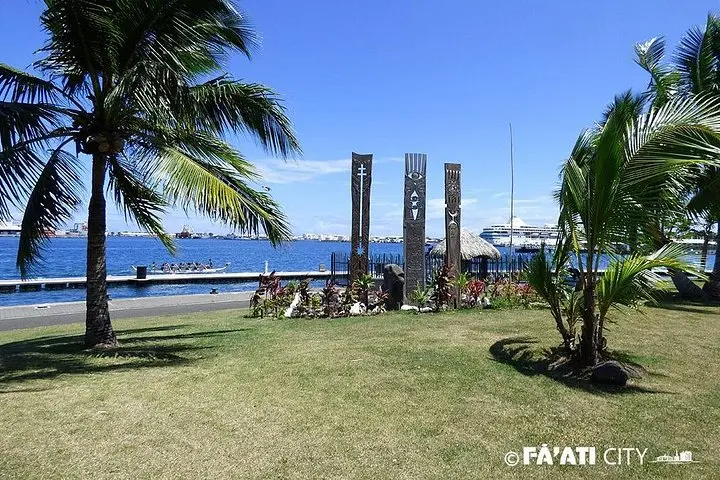
Morning in Papeete arrives on the market’s first calls: vendors stacking papaya, the harbor daring you with bright fishing boats, and palms leaning like slow clock-hands over the waterfront. A two-hour walking tour threads through these scenes, moving between lively stalls, colonial facades, and the quieter government gardens where local politics and history meet the sea breeze.
Verified experiences and guided adventures in the surrounding area.
Operated by FAATI CITY · Papeete, Tahiti
Morning in Papeete arrives on the market’s first calls: vendors stacking papaya, the harbor daring you with bright fishing boats, and palms leaning like slow clock-hands over the waterfront. A two-hour walking tour threads through these scenes, moving between lively stalls, colonial facades, and the quieter government gardens where local politics and history meet the sea breeze.
Papeete grew quickly after 1818 as Tahiti’s main port and administrative center; French influence layered over Polynesian social structures, visible in the mix of timber colonial buildings and public marae nearby. Geologically, Tahiti is an eroded volcanic cone ringed by a coral shelf—stone streets and coral-fringed shoreline create abrupt transitions between urban pavement and reef-splayed shallows.
Culturally the tour highlights marketplaces, small cafes, and government squares where daily life plays out: fishermen bargaining, artisans shaping pareo cloth, elders recounting local stories. The market is a living classroom—smells, textures and seasonal produce that tell the island’s story.
Practical guidance: expect two hours of mostly flat but sometimes uneven sidewalks and shaded alleys; bring closed-toe walking shoes, hat, sunscreen and a refillable water bottle. Cash can speed purchases at small stalls; many sites are accessible but confirm wheelchair needs in advance. Tours typically move at a steady pace with stops at the municipal market and colonial sites; plan for humidity, sudden sun, and the chance of a brief tropical shower. Leave space in your schedule afterward to sample a local snack or linger at the waterfront — the city rewards those who slow down and listen.
Yes — the operator lists the itinerary as wheelchair accessible, but notify them at booking so guides can plan accessible routes and meeting points.
Guides commonly speak French and English; confirm language availability when booking for specific needs.
Full refund is available if you cancel at least 24 hours before the scheduled departure time; check the booking terms for details.
Tours typically meet near the municipal market or waterfront promenade in central Papeete — both are reachable by local bus or short taxi ride from most hotels.
FAATI CITY operates guided outdoor trips and adventures with an emphasis on safety, stewardship, and memorable experiences.
Morning in Papeete arrives on the market’s first calls: vendors stacking papaya, the harbor daring you with bright fishing boats, and palms leaning like slow clock-hands over the waterfront. A two-hour walking tour threads through these scenes, moving between lively stalls, colonial facades, and the quieter government gardens where local politics and history meet the sea breeze.
Morning in Papeete arrives on the market’s first calls: vendors stacking papaya, the harbor daring you with bright fishing boats, and palms leaning like slow clock-hands over the waterfront. A two-hour walking tour threads through these scenes, moving between lively stalls, colonial facades, and the quieter government gardens where local politics and history meet the sea breeze.
Papeete grew quickly after 1818 as Tahiti’s main port and administrative center; French influence layered over Polynesian social structures, visible in the mix of timber colonial buildings and public marae nearby. Geologically, Tahiti is an eroded volcanic cone ringed by a coral shelf—stone streets and coral-fringed shoreline create abrupt transitions between urban pavement and reef-splayed shallows.
Culturally the tour highlights marketplaces, small cafes, and government squares where daily life plays out: fishermen bargaining, artisans shaping pareo cloth, elders recounting local stories. The market is a living classroom—smells, textures and seasonal produce that tell the island’s story.
Practical guidance: expect two hours of mostly flat but sometimes uneven sidewalks and shaded alleys; bring closed-toe walking shoes, hat, sunscreen and a refillable water bottle. Cash can speed purchases at small stalls; many sites are accessible but confirm wheelchair needs in advance. Tours typically move at a steady pace with stops at the municipal market and colonial sites; plan for humidity, sudden sun, and the chance of a brief tropical shower. Leave space in your schedule afterward to sample a local snack or linger at the waterfront — the city rewards those who slow down and listen.