THE ADVENTURE COLLECTIVE® · Independent discovery and booking for outdoor travel
A compact two-day loop from Lima that pairs a Ballestas Islands cruise and Huacachina dune session with a Nazca Lines overflight. Expect wildlife, desert speed and an aerial glimpse of ancient geoglyphs.
A compact two-day loop from Lima that pairs a Ballestas Islands cruise and Huacachina dune session with a Nazca Lines overflight. Expect wildlife, desert speed and an aerial glimpse of ancient geoglyphs.
A salt-thin breeze from the Pacific meets your group as the bus eases into Paracas; gulls slice the gray sky and the desert dunes loom inland like an open challenge. The first morning finds travelers on a low-profile panga skimming toward the Ballestas Islands, where sea lions bark and guano-streaked cliffs host colonies of boobies and cormorants. Later, the sun pushes across Huacachina’s ochre dunes as sandy buggies tear tracks and boards slide downhill toward a copper sunset.
Verified experiences and guided adventures in the surrounding area.
Operated by Cea Tours · Paracas, Ica
A salt-thin breeze from the Pacific meets your group as the bus eases into Paracas; gulls slice the gray sky and the desert dunes loom inland like an open challenge. The first morning finds travelers on a low-profile panga skimming toward the Ballestas Islands, where sea lions bark and guano-streaked cliffs host colonies of boobies and cormorants. Later, the sun pushes across Huacachina’s ochre dunes as sandy buggies tear tracks and boards slide downhill toward a copper sunset.
This corridor of southern Peru folds together coastal geology and pre-Hispanic mystery. The Ballestas are fractured sedimentary formations shaped by wind, waves and the cold Humboldt Current; across the bay the Candelabra geoglyph faces the sea, its origin debated but its scale unmistakable. Further inland, the Nazca Lines — large geoglyphs etched by the Nasca culture between about 100 BCE and 700 CE — are best read from the air, where geometric figures and animals reveal intentional design against a pale desert.
Practical guidance: expect long transfers (about five hours each way from Lima), light boat motion, and a brief 30-minute overflight from María Reiche Airport. Bring a sun hat, high-SPF sunscreen, and a reusable water bottle; wear closed-toe shoes for dune runs. For motion-sickness-prone travelers, take precautions before the boat ride and flight. The itinerary packs wildlife viewing, cultural history and active sandboarding into two full days — plan for early starts, steady pacing and pockets of downtime to recharge between excursions.
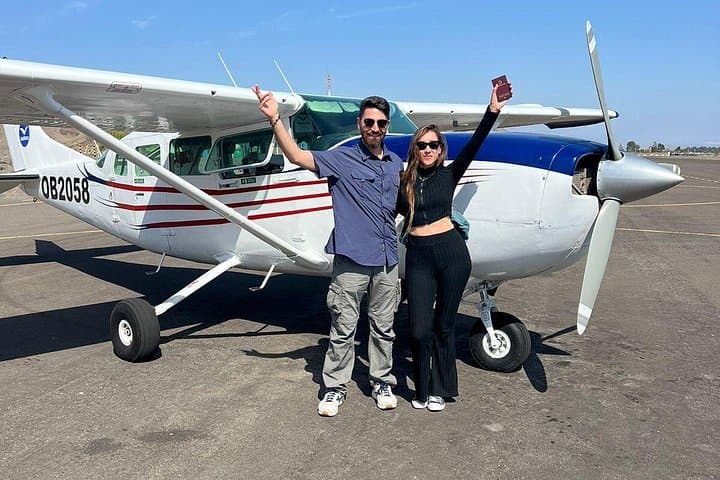
Flights depart from María Reiche Airport; the scheduled overflight lasts about 30 minutes and covers the most prominent geoglyphs.
Yes; passengers commonly see sea lions, various seabirds like guanay and boobies, and dolphins depending on season and sea conditions.
No—basic instruction and equipment are provided; beginners can manage gentle runs, though steeper dunes are more challenging.
Entrance fees for Ballestas and Nazca overflight, ground transport (shared), life jackets, a certified guide, one night’s hotel, and local tastings are typically included—confirm specifics with the operator.
Cea Tours operates guided outdoor trips and adventures with an emphasis on safety, stewardship, and memorable experiences.
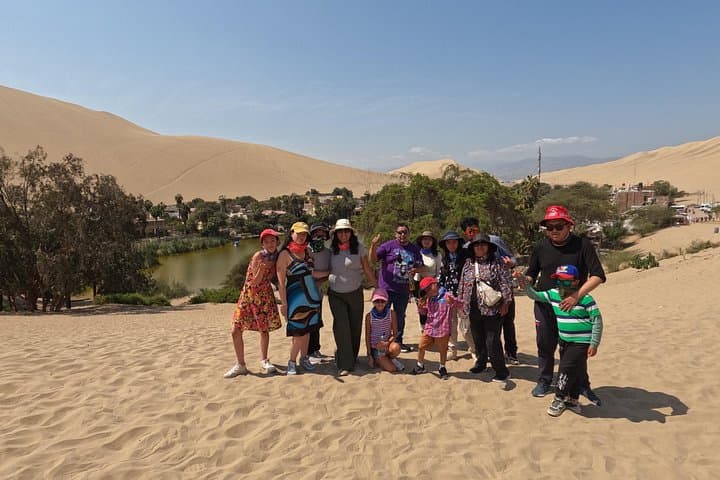

A salt-thin breeze from the Pacific meets your group as the bus eases into Paracas; gulls slice the gray sky and the desert dunes loom inland like an open challenge. The first morning finds travelers on a low-profile panga skimming toward the Ballestas Islands, where sea lions bark and guano-streaked cliffs host colonies of boobies and cormorants. Later, the sun pushes across Huacachina’s ochre dunes as sandy buggies tear tracks and boards slide downhill toward a copper sunset.
A salt-thin breeze from the Pacific meets your group as the bus eases into Paracas; gulls slice the gray sky and the desert dunes loom inland like an open challenge. The first morning finds travelers on a low-profile panga skimming toward the Ballestas Islands, where sea lions bark and guano-streaked cliffs host colonies of boobies and cormorants. Later, the sun pushes across Huacachina’s ochre dunes as sandy buggies tear tracks and boards slide downhill toward a copper sunset.
This corridor of southern Peru folds together coastal geology and pre-Hispanic mystery. The Ballestas are fractured sedimentary formations shaped by wind, waves and the cold Humboldt Current; across the bay the Candelabra geoglyph faces the sea, its origin debated but its scale unmistakable. Further inland, the Nazca Lines — large geoglyphs etched by the Nasca culture between about 100 BCE and 700 CE — are best read from the air, where geometric figures and animals reveal intentional design against a pale desert.
Practical guidance: expect long transfers (about five hours each way from Lima), light boat motion, and a brief 30-minute overflight from María Reiche Airport. Bring a sun hat, high-SPF sunscreen, and a reusable water bottle; wear closed-toe shoes for dune runs. For motion-sickness-prone travelers, take precautions before the boat ride and flight. The itinerary packs wildlife viewing, cultural history and active sandboarding into two full days — plan for early starts, steady pacing and pockets of downtime to recharge between excursions.
