THE ADVENTURE COLLECTIVE® · Independent discovery and booking for outdoor travel

Two packed days across Peru’s coastal desert: wildlife on the Ballestas Islands, a flight over the Nazca Lines, and a dune-buggy and sandboarding session at Huacachina. This concise adventure pairs wildlife viewing with airborne archaeology and high-speed sand fun.
Two packed days across Peru’s coastal desert: wildlife on the Ballestas Islands, a flight over the Nazca Lines, and a dune-buggy and sandboarding session at Huacachina. This concise adventure pairs wildlife viewing with airborne archaeology and high-speed sand fun.
The morning light hits the weathered cliffs of Paracas and the harbor fills with the rattle of an outboard engine as gulls push the air around you. A boat thread through kelp beds leads to the Ballestas Islands, where sea lions haul out on black rock and Humboldt penguins bob like punctuation marks against the surf.
Verified experiences and guided adventures in the surrounding area.
Operated by Peruvian Worldview Tours · Nazca, Ica
The morning light hits the weathered cliffs of Paracas and the harbor fills with the rattle of an outboard engine as gulls push the air around you. A boat thread through kelp beds leads to the Ballestas Islands, where sea lions haul out on black rock and Humboldt penguins bob like punctuation marks against the surf.
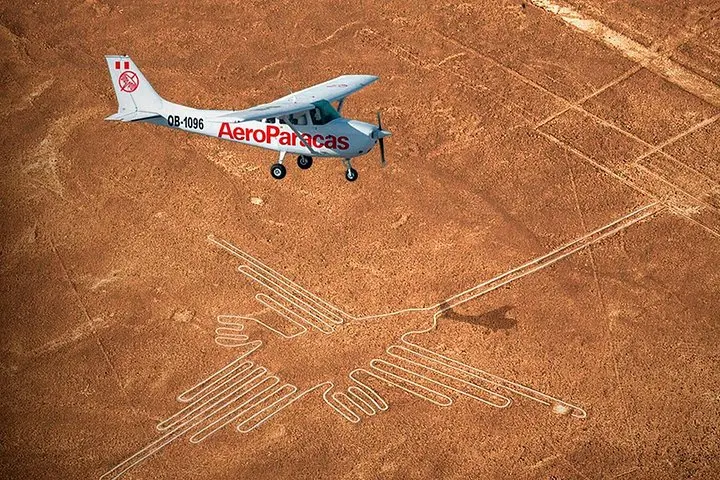
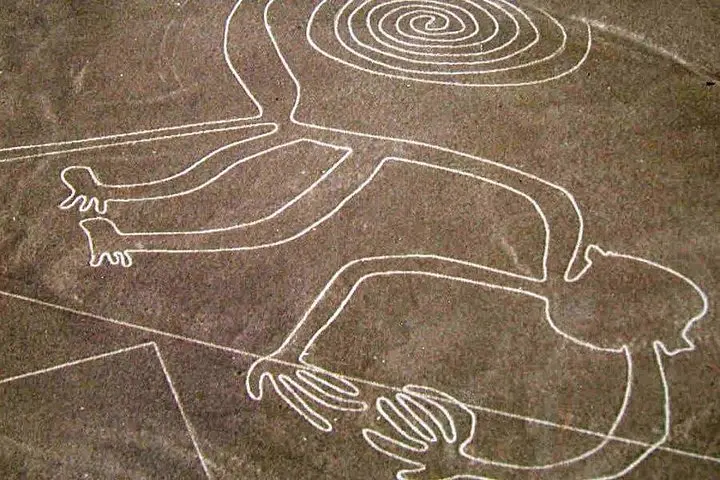
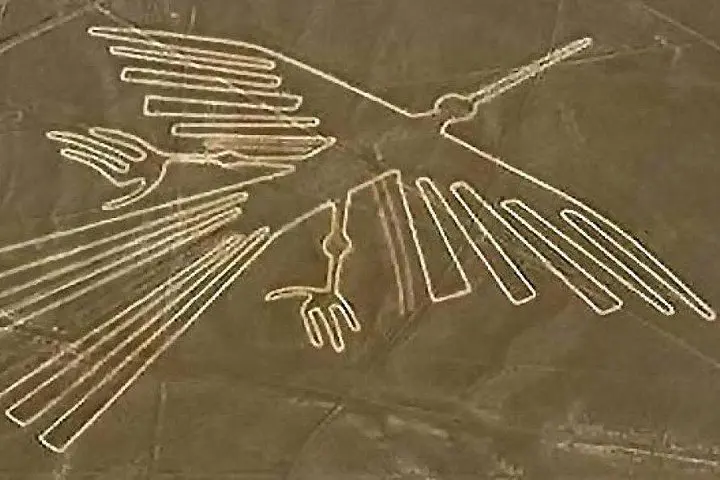
The coastline here is the dry edge of the Atacama system; wind and salt sculpt high, banded cliffs and the National Reserve of Paracas protects both marine life and dramatic erosion features. A short flight later, the Nazca plain lays out like a map of intent — long straight paths and enormous geoglyphs scratched into the desert by people of the Nazca culture between about 200 BCE and 600 CE. From a small aircraft the lines resolve into figures: the spider, the hummingbird, a sprawling monkey. The day finishes inland at Huacachina, the living oasis where dunes rise hundreds of meters and buggies kick sand in lively arcs while sandboarders ride the faces down.
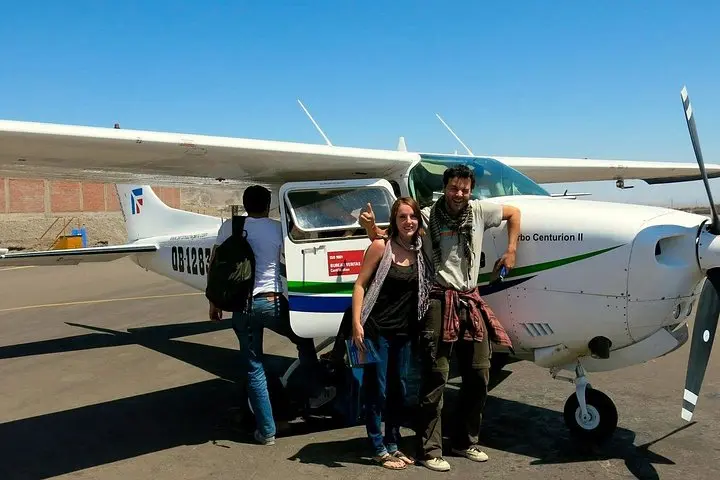
Practical guidance: expect early departures, salty spray on the boat and a small, sometimes bumpy plane; motion-sickness remedies help. Pack high-SPF sun protection, a windproof layer for flight, sturdy closed-toe shoes for dunes and airports, a refillable water bottle, and a small daypack. Timing matters — morning boat trips and mid-morning flights give the best light and calmer conditions. Respect protected areas, follow guide instructions on the dunes and lines, and reserve accommodations and flights in advance to avoid sold-out windows.
Yes — international travelers must carry a valid passport for the Nazca flight and any airport or airdrome procedures.
Flights are typically around 25–35 minutes and pass over about a dozen major geoglyphs, including the Spider, Monkey and Hummingbird; visibility depends on weather and seating.
No — instructors provide basic training and beginner slopes; bring flexible footwear and be ready for sandy conditions.
Yes — the itinerary notes infants must sit on laps for the flight; parents should consider motion sensitivity and the active dune sections before booking.
Peruvian Worldview Tours operates guided outdoor trips and adventures with an emphasis on safety, stewardship, and memorable experiences.
The morning light hits the weathered cliffs of Paracas and the harbor fills with the rattle of an outboard engine as gulls push the air around you. A boat thread through kelp beds leads to the Ballestas Islands, where sea lions haul out on black rock and Humboldt penguins bob like punctuation marks against the surf.
The morning light hits the weathered cliffs of Paracas and the harbor fills with the rattle of an outboard engine as gulls push the air around you. A boat thread through kelp beds leads to the Ballestas Islands, where sea lions haul out on black rock and Humboldt penguins bob like punctuation marks against the surf.
The coastline here is the dry edge of the Atacama system; wind and salt sculpt high, banded cliffs and the National Reserve of Paracas protects both marine life and dramatic erosion features. A short flight later, the Nazca plain lays out like a map of intent — long straight paths and enormous geoglyphs scratched into the desert by people of the Nazca culture between about 200 BCE and 600 CE. From a small aircraft the lines resolve into figures: the spider, the hummingbird, a sprawling monkey. The day finishes inland at Huacachina, the living oasis where dunes rise hundreds of meters and buggies kick sand in lively arcs while sandboarders ride the faces down.
Practical guidance: expect early departures, salty spray on the boat and a small, sometimes bumpy plane; motion-sickness remedies help. Pack high-SPF sun protection, a windproof layer for flight, sturdy closed-toe shoes for dunes and airports, a refillable water bottle, and a small daypack. Timing matters — morning boat trips and mid-morning flights give the best light and calmer conditions. Respect protected areas, follow guide instructions on the dunes and lines, and reserve accommodations and flights in advance to avoid sold-out windows.