THE ADVENTURE COLLECTIVE® · Independent discovery and booking for outdoor travel

A compact coastal loop from Lima that pairs wildlife and sea vistas at the Ballestas Islands with vineyard tastings in Ica, dune runs in Huacachina and a 30-minute Nazca Lines overflight—ideal for travelers who want wildlife, culture and desert adrenaline in two days.
A compact coastal loop from Lima that pairs wildlife and sea vistas at the Ballestas Islands with vineyard tastings in Ica, dune runs in Huacachina and a 30-minute Nazca Lines overflight—ideal for travelers who want wildlife, culture and desert adrenaline in two days.
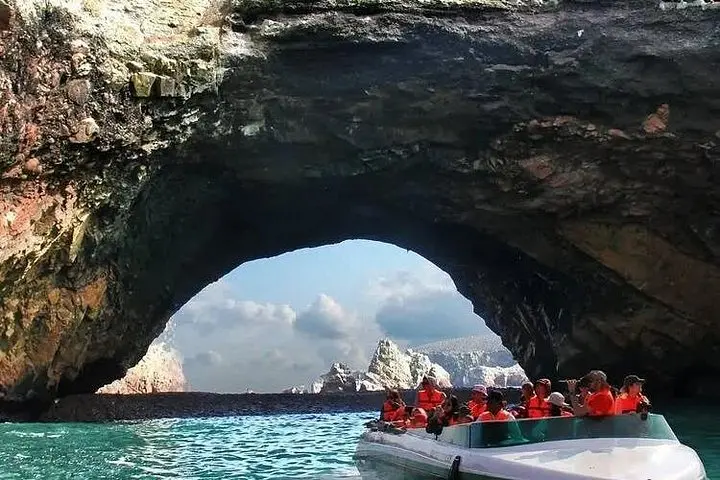
A pre-dawn van slips out of Lima and the coast unrolls beneath a low, salt-tanged sky. By midmorning the Pacific opens into Paracas Bay; the boat cuts through glassy water and colonies of sea lions haul out on black rock, while cormorants and pelicans wheel above the candelabra etched into the dunes like an ancient signature. Later, vines fan across irrigated desert terraces in Ica; the air smells of sun-warmed grape and pisco. In the late afternoon Huacachina’s dunes begin to breathe—wind leaning one way, then another—daring riders to drop a board and chase the slope until sunset sets the sand aflame.
Verified experiences and guided adventures in the surrounding area.
Operated by Machupicchu Holiday · Ica, Ica
A pre-dawn van slips out of Lima and the coast unrolls beneath a low, salt-tanged sky. By midmorning the Pacific opens into Paracas Bay; the boat cuts through glassy water and colonies of sea lions haul out on black rock, while cormorants and pelicans wheel above the candelabra etched into the dunes like an ancient signature. Later, vines fan across irrigated desert terraces in Ica; the air smells of sun-warmed grape and pisco. In the late afternoon Huacachina’s dunes begin to breathe—wind leaning one way, then another—daring riders to drop a board and chase the slope until sunset sets the sand aflame.
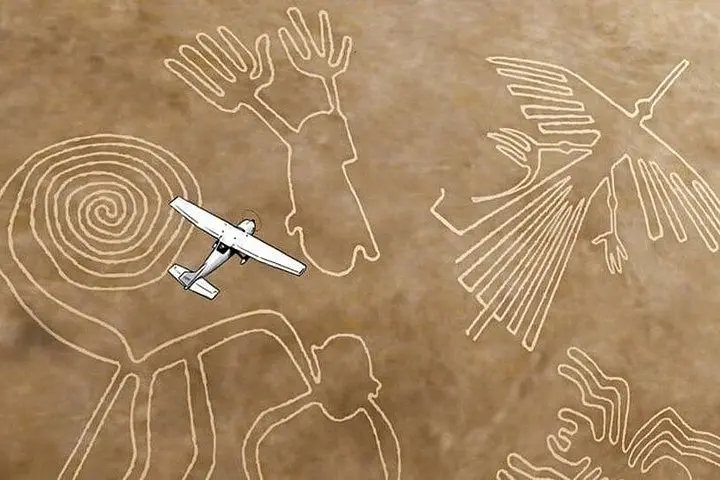
This itinerary threads coastal ecology with pre-Columbian mystery and desert adventure. Geologically, the region is an arid forearc basin: wind-carved dunes and uplifted seabeds reveal millennia of tectonic pressure. Culturally, the route ties Spanish-introduced viticulture and Peruvian pisco to indigenous Nazca legacies—the Nazca Lines, visible from a 30-minute overflight, were created by the Nazca culture roughly 1,500–2,000 years ago.
Practical notes: boats and flights run best in calm morning conditions—book early slots. Bring sunscreen, sunglasses, and a light windlayer for the boat; expect sand in everything at Huacachina. Motion-sickness meds help for both the boat and the Nazca flight. Cash is useful in small towns for snacks and tips. Pace the two days: the schedule includes long drives; rest when you can, and reserve a window-seat on the Nazca flight for the best viewing angle.
The flight lasts about 25–30 minutes; expect to see several geoglyphs including geometric shapes and animal figures—the pilot will circle key figures for viewing.
Yes; guided dune sessions typically include instruction and a tubular ride for those uncomfortable with standing boards.
Yes; common sightings include sea lions, guano birds such as cormorants and boobies, and sometimes Humboldt penguins depending on season and conditions.
Most operators allow checked luggage left with the vehicle or at a secure meeting point—carry important documents and valuables with you.
Machupicchu Holiday operates guided outdoor trips and adventures with an emphasis on safety, stewardship, and memorable experiences.


A pre-dawn van slips out of Lima and the coast unrolls beneath a low, salt-tanged sky. By midmorning the Pacific opens into Paracas Bay; the boat cuts through glassy water and colonies of sea lions haul out on black rock, while cormorants and pelicans wheel above the candelabra etched into the dunes like an ancient signature. Later, vines fan across irrigated desert terraces in Ica; the air smells of sun-warmed grape and pisco. In the late afternoon Huacachina’s dunes begin to breathe—wind leaning one way, then another—daring riders to drop a board and chase the slope until sunset sets the sand aflame.
A pre-dawn van slips out of Lima and the coast unrolls beneath a low, salt-tanged sky. By midmorning the Pacific opens into Paracas Bay; the boat cuts through glassy water and colonies of sea lions haul out on black rock, while cormorants and pelicans wheel above the candelabra etched into the dunes like an ancient signature. Later, vines fan across irrigated desert terraces in Ica; the air smells of sun-warmed grape and pisco. In the late afternoon Huacachina’s dunes begin to breathe—wind leaning one way, then another—daring riders to drop a board and chase the slope until sunset sets the sand aflame.
This itinerary threads coastal ecology with pre-Columbian mystery and desert adventure. Geologically, the region is an arid forearc basin: wind-carved dunes and uplifted seabeds reveal millennia of tectonic pressure. Culturally, the route ties Spanish-introduced viticulture and Peruvian pisco to indigenous Nazca legacies—the Nazca Lines, visible from a 30-minute overflight, were created by the Nazca culture roughly 1,500–2,000 years ago.
Practical notes: boats and flights run best in calm morning conditions—book early slots. Bring sunscreen, sunglasses, and a light windlayer for the boat; expect sand in everything at Huacachina. Motion-sickness meds help for both the boat and the Nazca flight. Cash is useful in small towns for snacks and tips. Pace the two days: the schedule includes long drives; rest when you can, and reserve a window-seat on the Nazca flight for the best viewing angle.