THE ADVENTURE COLLECTIVE® · Independent discovery and booking for outdoor travel

A full-day transfer from Agadir takes you into the Atlas foothills to hike canyon trails, swim in rock pools and share a Berber tagine in a family home. Expect mixed rock and sand trails, a women’s argan cooperative visit, and a view-packed day in Paradise Valley.
A full-day transfer from Agadir takes you into the Atlas foothills to hike canyon trails, swim in rock pools and share a Berber tagine in a family home. Expect mixed rock and sand trails, a women’s argan cooperative visit, and a view-packed day in Paradise Valley.
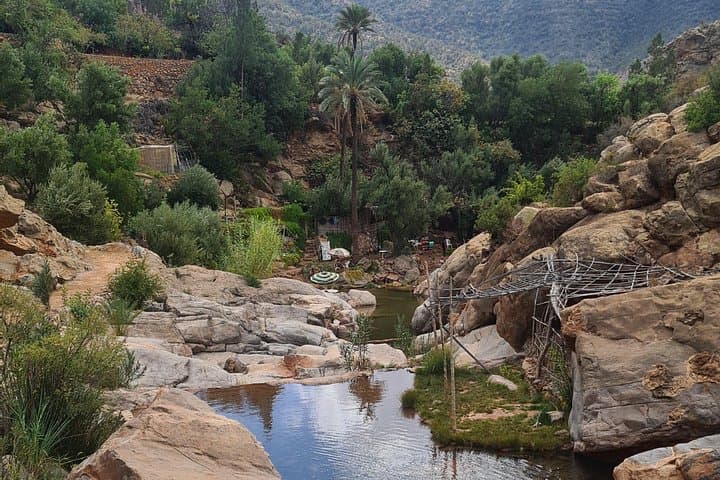
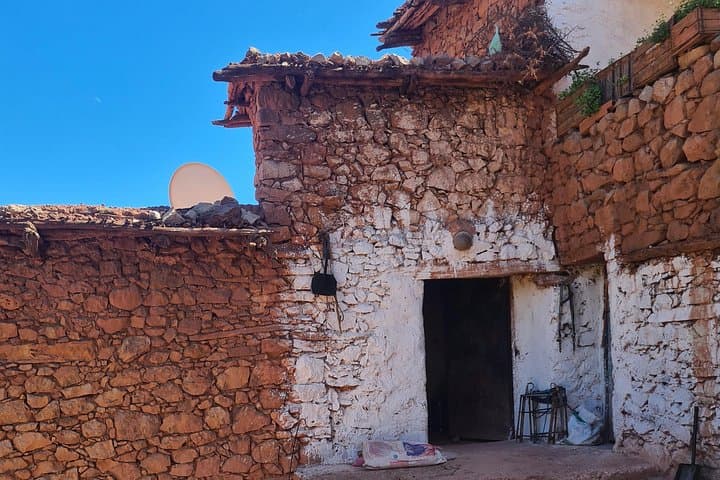
You step out of the minivan where the road narrows and the air cools: terraced plots and low stone houses give way to a ribbon of river cutting through sun-dark rock. The drive from Agadir or Taghazout gathers small villages and argan trees into a single rhythm, and when the valley opens you can already hear water moving through the canyon.
Verified experiences and guided adventures in the surrounding area.
Operated by Tizi Hike · Agadir, Souss-Massa
You step out of the minivan where the road narrows and the air cools: terraced plots and low stone houses give way to a ribbon of river cutting through sun-dark rock. The drive from Agadir or Taghazout gathers small villages and argan trees into a single rhythm, and when the valley opens you can already hear water moving through the canyon.
Geology here is straightforward and honest — folded Atlas foothills of sandstone and schist have been carved by seasonal streams into steep-walled canyons and natural rock basins. Argan trees, endemic to southwestern Morocco, dot the sun-baked slopes; centuries of Berber farming and seasonal grazing shaped the terraces you pass. You’ll stop at a women’s argan cooperative and botanical garden to see oil production and regional plants, then take in a viewpoint that explains how water and human hands made this place livable.
The hike itself is a half-day of walking through narrow canyon trails, palm-shaded oasis paths, and short rocky scrambles; expect roughly 4–6 km of walking and 200–400 m of cumulative elevation change, with chances to pause and swim in clear rock pools.
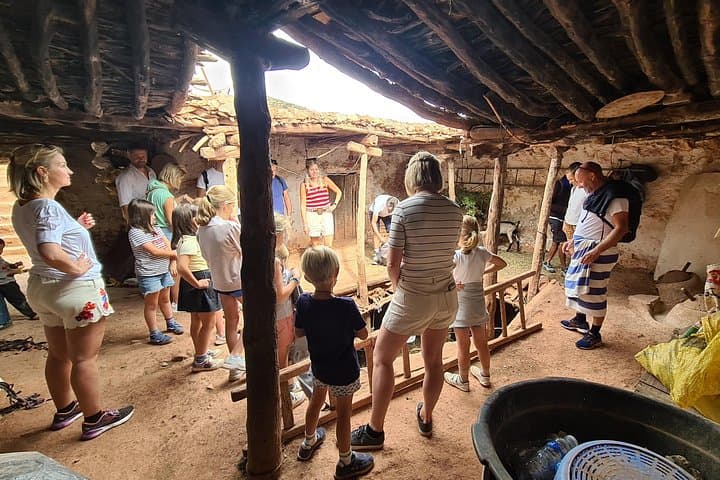
Practical guidance: start early to avoid midday heat, wear sturdy shoes with grip for wet rocks, carry at least 1.5–2 L of water, and bring swimwear and a quick-dry towel if you plan to enter pools. The included Berber lunch — tagine and mint tea — is served in a family home, offering a direct cultural exchange. The route is accessible to walkers of moderate fitness but uneven terrain and sun exposure demand attention and sensible footwear.
The transfer is typically 45–75 minutes each way depending on traffic and exact pickup point.
Yes—most tours permit swimming; bring swimwear and be cautious on slippery rock edges.
The route is family-friendly in parts but includes uneven terrain and some scrambling; assess mobility and stamina before booking.
Most operators offer vegetarian or chicken tagine options; notify the provider in advance about allergies or special diets.
Tizi Hike operates guided outdoor trips and adventures with an emphasis on safety, stewardship, and memorable experiences.

You step out of the minivan where the road narrows and the air cools: terraced plots and low stone houses give way to a ribbon of river cutting through sun-dark rock. The drive from Agadir or Taghazout gathers small villages and argan trees into a single rhythm, and when the valley opens you can already hear water moving through the canyon.
You step out of the minivan where the road narrows and the air cools: terraced plots and low stone houses give way to a ribbon of river cutting through sun-dark rock. The drive from Agadir or Taghazout gathers small villages and argan trees into a single rhythm, and when the valley opens you can already hear water moving through the canyon.
Geology here is straightforward and honest — folded Atlas foothills of sandstone and schist have been carved by seasonal streams into steep-walled canyons and natural rock basins. Argan trees, endemic to southwestern Morocco, dot the sun-baked slopes; centuries of Berber farming and seasonal grazing shaped the terraces you pass. You’ll stop at a women’s argan cooperative and botanical garden to see oil production and regional plants, then take in a viewpoint that explains how water and human hands made this place livable.
The hike itself is a half-day of walking through narrow canyon trails, palm-shaded oasis paths, and short rocky scrambles; expect roughly 4–6 km of walking and 200–400 m of cumulative elevation change, with chances to pause and swim in clear rock pools.
Practical guidance: start early to avoid midday heat, wear sturdy shoes with grip for wet rocks, carry at least 1.5–2 L of water, and bring swimwear and a quick-dry towel if you plan to enter pools. The included Berber lunch — tagine and mint tea — is served in a family home, offering a direct cultural exchange. The route is accessible to walkers of moderate fitness but uneven terrain and sun exposure demand attention and sensible footwear.