THE ADVENTURE COLLECTIVE® · Independent discovery and booking for outdoor travel

A half-day escape from Agadir into the Atlas foothills, Paradise Valley offers canyon pools, argan farm visits and coastal scenery en route. Perfect for swimmers and culture-seekers who want easy hiking, scenic stops and a taste of local argan oil production.
A half-day escape from Agadir into the Atlas foothills, Paradise Valley offers canyon pools, argan farm visits and coastal scenery en route. Perfect for swimmers and culture-seekers who want easy hiking, scenic stops and a taste of local argan oil production.
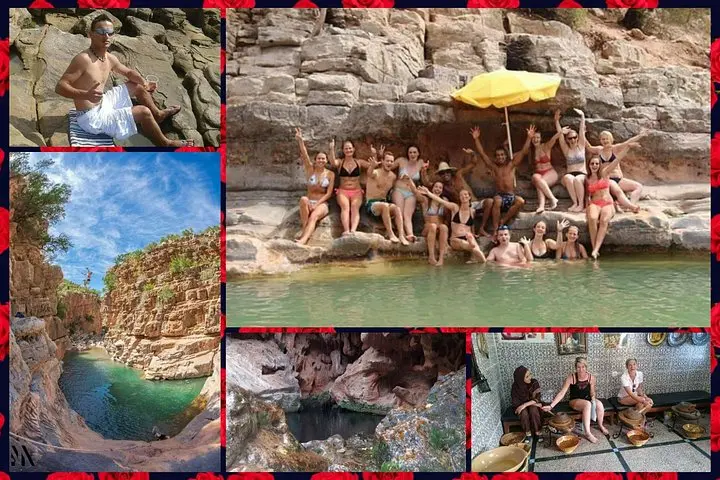
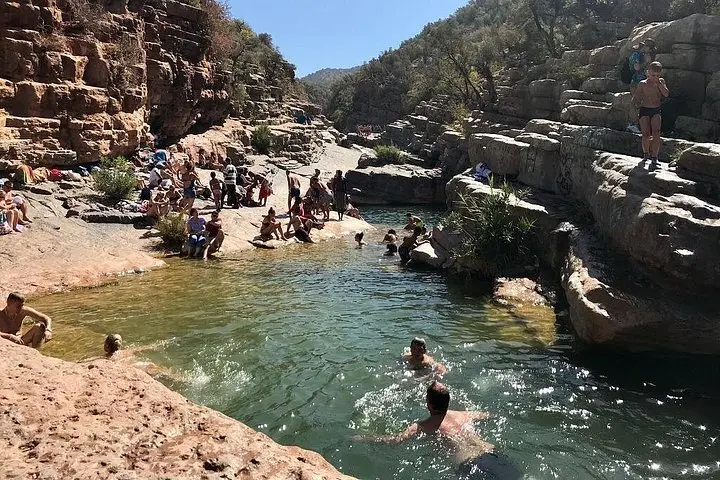
Sunlight slices through a canyon rim as the minibus eases off the coastal road and the Atlas foothills take the wheel. Within an hour you leave sea-salt wind behind and enter a heat-sculpted gorge where palms and tamarisk shade a thread of river; the water dares you to follow it into a string of natural rock pools.
Verified experiences and guided adventures in the surrounding area.
Operated by agadir couscoustrip · Agadir, Souss-Massa
Sunlight slices through a canyon rim as the minibus eases off the coastal road and the Atlas foothills take the wheel. Within an hour you leave sea-salt wind behind and enter a heat-sculpted gorge where palms and tamarisk shade a thread of river; the water dares you to follow it into a string of natural rock pools.
Geology here is readable: layered sandstone and volcanic intrusions carved by seasonal torrents into stepped basins. The valley sits on the northern edge of the Anti-Atlas/High Atlas transition, an agricultural corridor where terraces and date palms mark long human presence. Local women’s argan cooperatives—part of the regional economy—open small botanic shops and demonstrate traditional oil pressing, offering cultural context to the landscape.
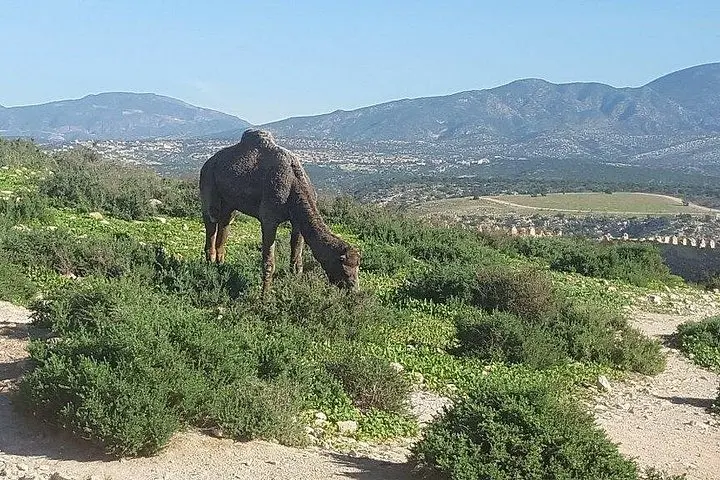
Expect a mix of short walks and free time: guided stops at an argan farm, roadside views of fishing ports and banana plantations, then two hours in the valley for swimming or trying the natural fish spa. Trails are rocky with occasional slick patches; pools vary from ankle-deep to swim-ready basins.
Practical edge: come with sturdy shoes you can get wet, reef-safe sunscreen, and a small dry bag for electronics. Midday is hottest—start early or plan for shade. Bring cash for cooperative stalls and a reusable bottle; the operator provides air-conditioned transport and pickup from Agadir or Taghazout. The trip is accessible to most moderately fit travelers but not recommended for those with serious heart conditions or pregnancy. In the valley, the river keeps moving—let it push you toward the next pool, but respect its current and the fragile riparian plants.
Typical door-to-door time is 40–70 minutes depending on pickup point and traffic; the full experience lasts about 5–6 hours.
Yes—many basins are suitable for swimming, but depth varies and currents can be stronger after rain; always assess conditions before entering.
Yes—stops include local argan cooperatives where you can see traditional pressing and purchase products directly from the producers.
Families with children and active older adults can usually participate, but the tour is not recommended for pregnant travelers or those with serious heart problems; terrain may be challenging for strollers or limited mobility.
agadir couscoustrip operates guided outdoor trips and adventures with an emphasis on safety, stewardship, and memorable experiences.
Sunlight slices through a canyon rim as the minibus eases off the coastal road and the Atlas foothills take the wheel. Within an hour you leave sea-salt wind behind and enter a heat-sculpted gorge where palms and tamarisk shade a thread of river; the water dares you to follow it into a string of natural rock pools.
Sunlight slices through a canyon rim as the minibus eases off the coastal road and the Atlas foothills take the wheel. Within an hour you leave sea-salt wind behind and enter a heat-sculpted gorge where palms and tamarisk shade a thread of river; the water dares you to follow it into a string of natural rock pools.
Geology here is readable: layered sandstone and volcanic intrusions carved by seasonal torrents into stepped basins. The valley sits on the northern edge of the Anti-Atlas/High Atlas transition, an agricultural corridor where terraces and date palms mark long human presence. Local women’s argan cooperatives—part of the regional economy—open small botanic shops and demonstrate traditional oil pressing, offering cultural context to the landscape.
Expect a mix of short walks and free time: guided stops at an argan farm, roadside views of fishing ports and banana plantations, then two hours in the valley for swimming or trying the natural fish spa. Trails are rocky with occasional slick patches; pools vary from ankle-deep to swim-ready basins.
Practical edge: come with sturdy shoes you can get wet, reef-safe sunscreen, and a small dry bag for electronics. Midday is hottest—start early or plan for shade. Bring cash for cooperative stalls and a reusable bottle; the operator provides air-conditioned transport and pickup from Agadir or Taghazout. The trip is accessible to most moderately fit travelers but not recommended for those with serious heart conditions or pregnancy. In the valley, the river keeps moving—let it push you toward the next pool, but respect its current and the fragile riparian plants.