THE ADVENTURE COLLECTIVE® · Independent discovery and booking for outdoor travel

Combine nature and culture on a full-day journey from Agadir: photograph goats climbing argan trees, browse Souk El Had’s lively stalls, then hike and swim in the limestone gorges and palm-shaded pools of Paradise Valley. A guided day trip that balances easy walks with refreshing natural swimming holes.
Combine nature and culture on a full-day journey from Agadir: photograph goats climbing argan trees, browse Souk El Had’s lively stalls, then hike and swim in the limestone gorges and palm-shaded pools of Paradise Valley. A guided day trip that balances easy walks with refreshing natural swimming holes.
The morning drive out of Agadir eases you from salt-bright coast to sun-baked argan scrub; by the time you reach Drarga the road has narrowed and goats are already testing gravity in the argan trees, nibbling fruit and posing for pictures. A local guide leads you through Souk El Had’s clatter of stalls—spices rising in papery clouds, brassware and woven goods stacked in bright disorder—before the minibus climbs toward the Atlas foothills.
Verified experiences and guided adventures in the surrounding area.
Operated by Agadir Attractions · Agadir, Souss-Massa
The morning drive out of Agadir eases you from salt-bright coast to sun-baked argan scrub; by the time you reach Drarga the road has narrowed and goats are already testing gravity in the argan trees, nibbling fruit and posing for pictures. A local guide leads you through Souk El Had’s clatter of stalls—spices rising in papery clouds, brassware and woven goods stacked in bright disorder—before the minibus climbs toward the Atlas foothills.
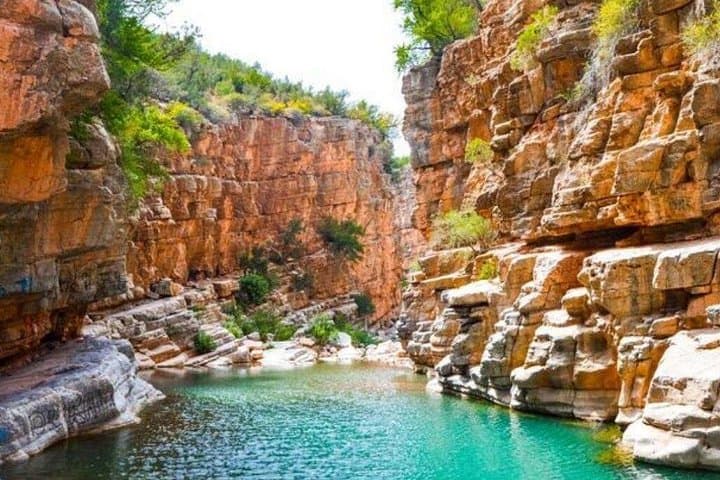
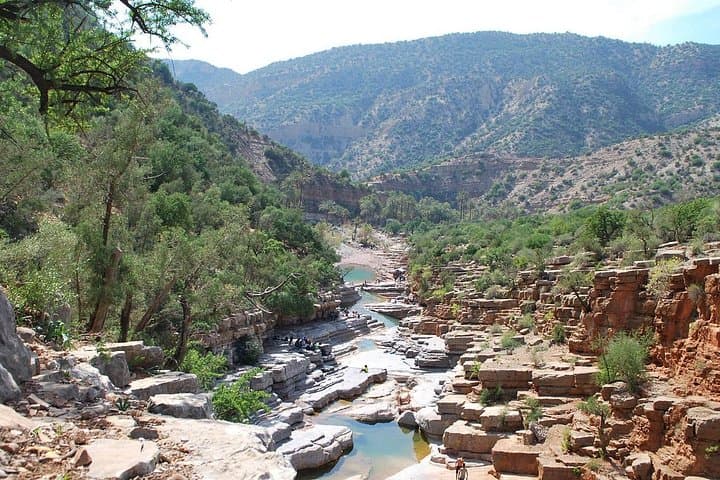
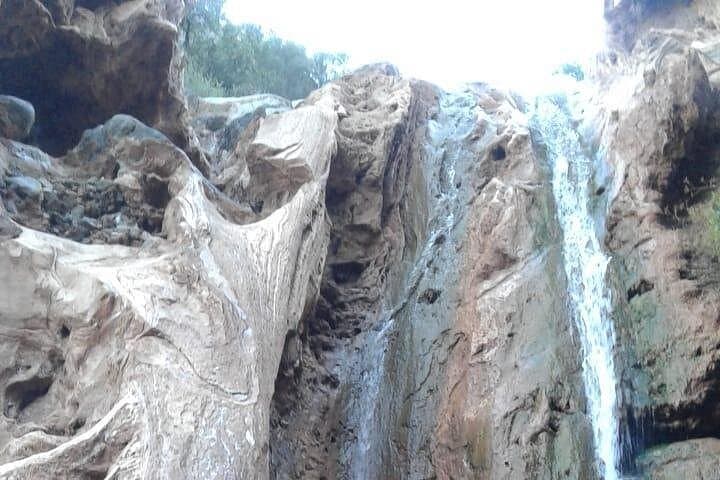
Paradise Valley opens like a geological page: folded limestone, steep gorges cut by seasonal rivers and terraces of date palms that keep the air cool. The area’s Berber communities have farmed these slopes for centuries; irrigation channels and orchards still mark the human imprint. Rivers dare you to cross shallow fords; natural pools invite a deliberate pause. Culture feels close here—vendors selling argan oil, breakfast served in a botanical garden, and local stories told in the shade of palms.
Expect 2–3 short walks between pools and viewpoints, with some rocky ladders and uneven footing. Wear grippy shoes, carry water, and plan for sun—sections have little shade. Photographers should bring a wide lens for gorge panoramas and a small tele for the goats in trees. The trip’s pace is relaxed: photo stops, a market visit, and several hours to swim or walk in the valley before returning to Agadir or Taghazout by evening.
Practical tip: leave valuables at your hotel, bring local cash for the souk, and allocate time for traffic on return—late-afternoon drives can slow as locals travel between villages.
Typical door-to-door duration is about 9 hours including pickups, market visit, and time in Paradise Valley.
Yes—many stops include free time for swimming; water temperature varies seasonally and footing can be slippery.
Yes—goats are accustomed to visitors, but always follow your guide’s instructions and avoid feeding or startling animals.
Yes—the souk is bustling but manageable; keep children close, and be prepared for crowds and narrow aisles.
Agadir Attractions operates guided outdoor trips and adventures with an emphasis on safety, stewardship, and memorable experiences.
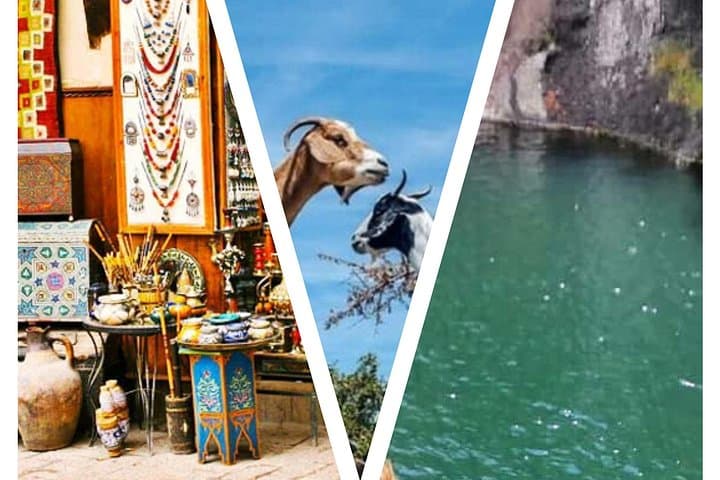
The morning drive out of Agadir eases you from salt-bright coast to sun-baked argan scrub; by the time you reach Drarga the road has narrowed and goats are already testing gravity in the argan trees, nibbling fruit and posing for pictures. A local guide leads you through Souk El Had’s clatter of stalls—spices rising in papery clouds, brassware and woven goods stacked in bright disorder—before the minibus climbs toward the Atlas foothills.
The morning drive out of Agadir eases you from salt-bright coast to sun-baked argan scrub; by the time you reach Drarga the road has narrowed and goats are already testing gravity in the argan trees, nibbling fruit and posing for pictures. A local guide leads you through Souk El Had’s clatter of stalls—spices rising in papery clouds, brassware and woven goods stacked in bright disorder—before the minibus climbs toward the Atlas foothills.
Paradise Valley opens like a geological page: folded limestone, steep gorges cut by seasonal rivers and terraces of date palms that keep the air cool. The area’s Berber communities have farmed these slopes for centuries; irrigation channels and orchards still mark the human imprint. Rivers dare you to cross shallow fords; natural pools invite a deliberate pause. Culture feels close here—vendors selling argan oil, breakfast served in a botanical garden, and local stories told in the shade of palms.
Expect 2–3 short walks between pools and viewpoints, with some rocky ladders and uneven footing. Wear grippy shoes, carry water, and plan for sun—sections have little shade. Photographers should bring a wide lens for gorge panoramas and a small tele for the goats in trees. The trip’s pace is relaxed: photo stops, a market visit, and several hours to swim or walk in the valley before returning to Agadir or Taghazout by evening.
Practical tip: leave valuables at your hotel, bring local cash for the souk, and allocate time for traffic on return—late-afternoon drives can slow as locals travel between villages.