THE ADVENTURE COLLECTIVE® · Independent discovery and booking for outdoor travel

Escape Agadir’s coastline for a half-day in the High Atlas where natural rock pools, palm-lined gorges and a traditional Berber breakfast define Paradise Valley. This accessible day trip blends easy hikes, cultural stops and time to swim in cool mountain basins.
Escape Agadir’s coastline for a half-day in the High Atlas where natural rock pools, palm-lined gorges and a traditional Berber breakfast define Paradise Valley. This accessible day trip blends easy hikes, cultural stops and time to swim in cool mountain basins.
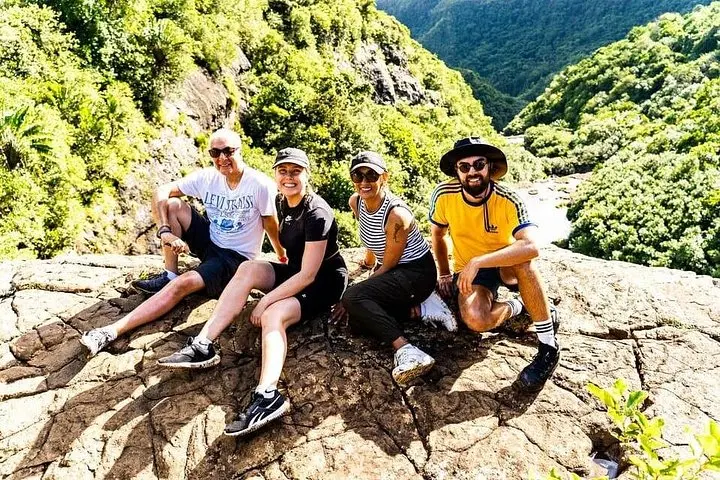
A wind-stung road climbs out of Agadir and the sea drops away; palms thin into serrated rock and the air takes on dry, aromatic heat. On arrival at Paradise Valley the landscape shifts again — shaded canyons, carved basalt pools, and terraces of tamarisk where clear spring water dares you to cool off.
Verified experiences and guided adventures in the surrounding area.
Operated by Agadir Attractions · Agadir, Souss-Massa
A wind-stung road climbs out of Agadir and the sea drops away; palms thin into serrated rock and the air takes on dry, aromatic heat. On arrival at Paradise Valley the landscape shifts again — shaded canyons, carved basalt pools, and terraces of tamarisk where clear spring water dares you to cool off.
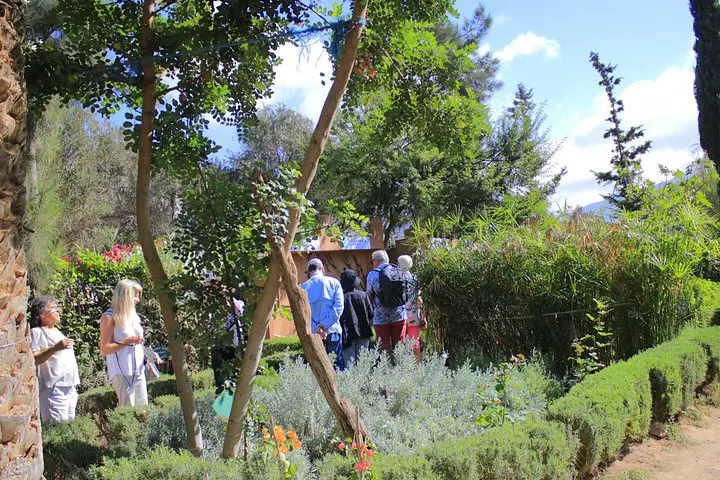
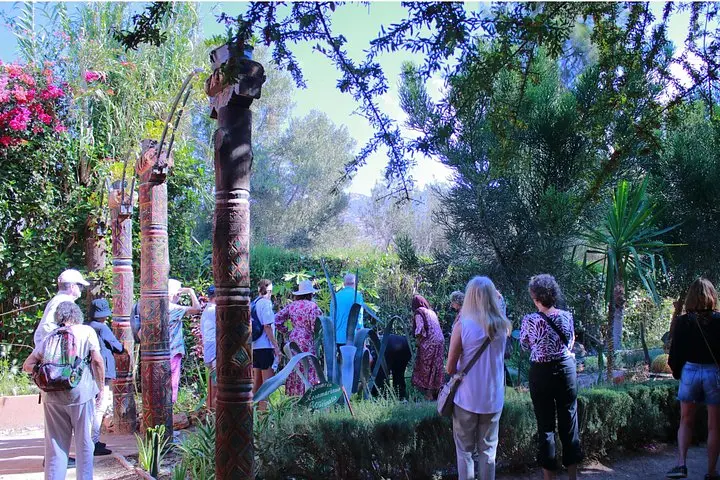
The valley sits on the foothills of the High Atlas, a mix of volcanic and sedimentary geology that forms narrow gorges and natural basins. People have shaped the slopes for centuries: local Amazigh (Berber) villages line the approach, and argan cooperatives and botanical gardens speak to the region’s agricultural traditions and artisanal economy.
Culturally the trip centers on meeting local life — a communal Berber breakfast of homemade bread, amlou and mint tea is both fuel and introduction. Guides usually point out traditional irrigation channels and explain argan oil production; the pools themselves were formed by millennia of water cutting through softer rock.
Practically, visitors should expect easy walking on uneven turf and rock, several short sections of scrambling to get between pools, and opportunities to swim in cool pockets shaded by date palms. Bring sturdy shoes with traction, a swim layer, and a reusable water bottle; plan this as a half-day to full-day outing depending on stops for photos and a local lunch.
Timing matters: mornings are cooler and less crowded; late afternoon softens the light for photography. Respect private orchards, follow the guide’s route, and pack out any trash — the valley’s clarity is part of its appeal and fragile character.
Most tours are about 6 hours round-trip, including hotel pickup, scenic drives through the foothills and 2–4 hours at Paradise Valley for walking and swimming.
Yes — paths are generally easy but include uneven rock; those with limited mobility should notify the operator for adaptive options and choose flatter areas.
You can swim most of the year, but water is cold in winter; summer months offer the warmest conditions and fullest pools.
A traditional Berber breakfast is typically included; a cooked local lunch may be offered as an optional extra—confirm at booking.
Agadir Attractions operates guided outdoor trips and adventures with an emphasis on safety, stewardship, and memorable experiences.

A wind-stung road climbs out of Agadir and the sea drops away; palms thin into serrated rock and the air takes on dry, aromatic heat. On arrival at Paradise Valley the landscape shifts again — shaded canyons, carved basalt pools, and terraces of tamarisk where clear spring water dares you to cool off.
A wind-stung road climbs out of Agadir and the sea drops away; palms thin into serrated rock and the air takes on dry, aromatic heat. On arrival at Paradise Valley the landscape shifts again — shaded canyons, carved basalt pools, and terraces of tamarisk where clear spring water dares you to cool off.
The valley sits on the foothills of the High Atlas, a mix of volcanic and sedimentary geology that forms narrow gorges and natural basins. People have shaped the slopes for centuries: local Amazigh (Berber) villages line the approach, and argan cooperatives and botanical gardens speak to the region’s agricultural traditions and artisanal economy.
Culturally the trip centers on meeting local life — a communal Berber breakfast of homemade bread, amlou and mint tea is both fuel and introduction. Guides usually point out traditional irrigation channels and explain argan oil production; the pools themselves were formed by millennia of water cutting through softer rock.
Practically, visitors should expect easy walking on uneven turf and rock, several short sections of scrambling to get between pools, and opportunities to swim in cool pockets shaded by date palms. Bring sturdy shoes with traction, a swim layer, and a reusable water bottle; plan this as a half-day to full-day outing depending on stops for photos and a local lunch.
Timing matters: mornings are cooler and less crowded; late afternoon softens the light for photography. Respect private orchards, follow the guide’s route, and pack out any trash — the valley’s clarity is part of its appeal and fragile character.